


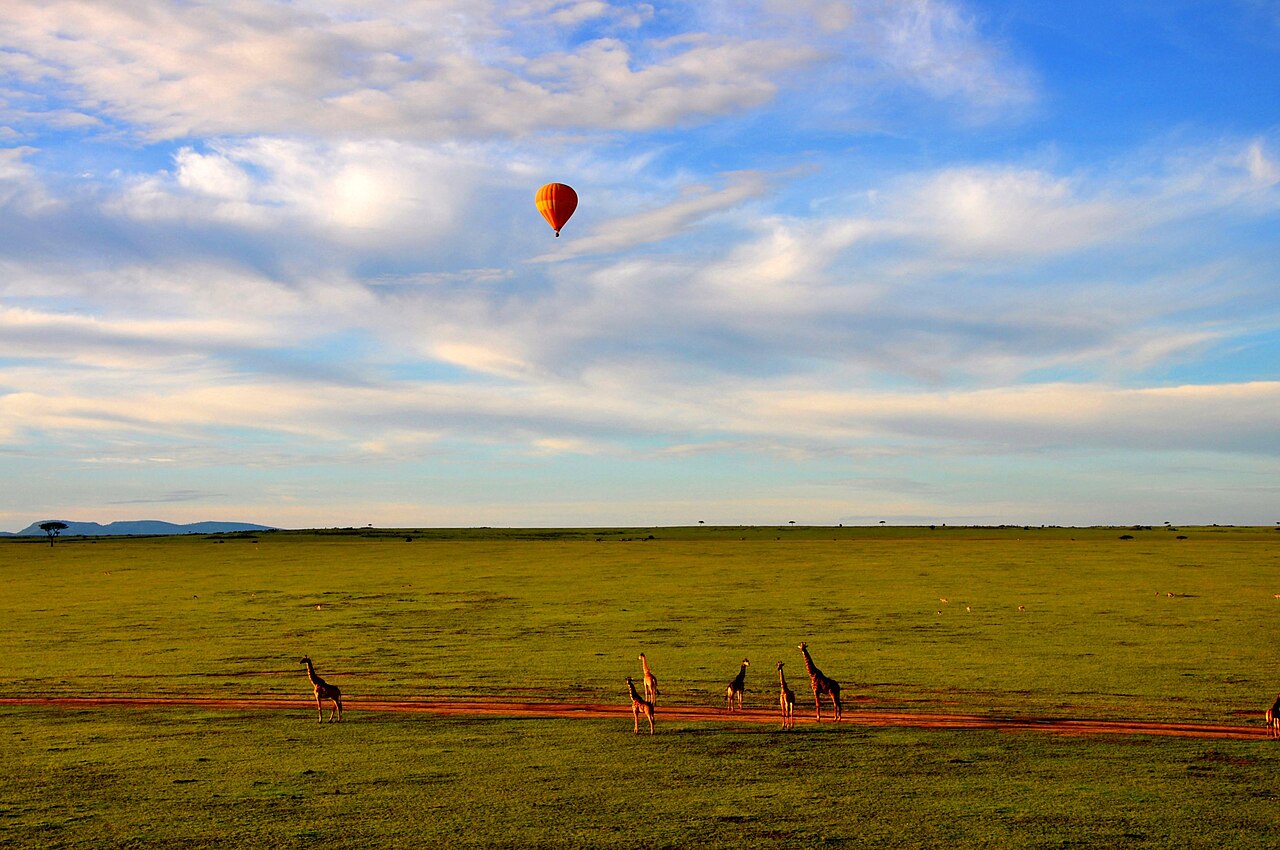
Sunrise hot-air balloon safari · Kenya, Kenya
Sunrise hot-air balloon safari
See the Mara’s broad savannah from above on a sunrise balloon flight.
Maasai Mara · Kenya, Kenya
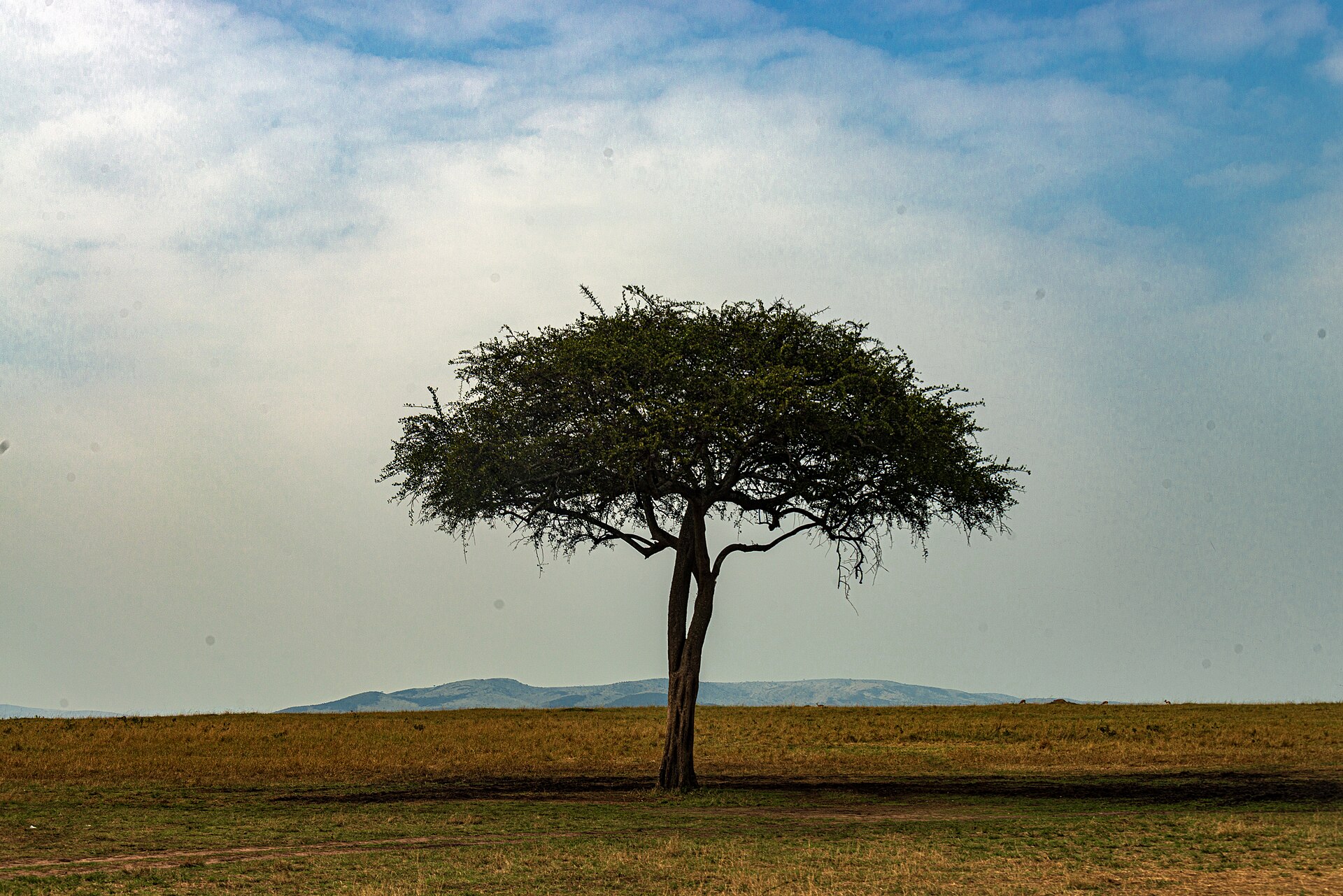
Photography: Daniel Case (CC BY-SA 4.0) · Wajahatmr (CC BY-SA 3.0). Images may be resized or cropped; share-alike licences continue to apply.
The Maasai Mara rewards time spent watching rather than constantly moving on. Open grasslands, river corridors and concentrations of grazing animals create the setting for a classic safari, but where you stay determines which part of the wider Mara landscape you actually experience. The national reserve and neighboring conservancies are different management areas with different access arrangements. Before choosing a camp, decide whether your priority is a particular wildlife area, fewer vehicle movements, a photographic itinerary or a broader introduction to the ecosystem. Migration travel can be compelling, but no responsible itinerary should promise a river crossing on a fixed day.
A Mara safari is strongest when it combines natural-history interpretation with realistic expectations. The reserve is part of a wider ecosystem rather than a self-contained wildlife stage, and animals move in response to conditions. A camp's name or a migration photograph does not establish that a particular spectacle will be nearby during your stay.
For planning purposes, compare the reserve location, the camp's traversing permissions, game-drive arrangements and travel time from the arrival airstrip. Our recommendation is to choose one well-positioned base for several nights instead of transferring between similarly placed camps. A second area is worthwhile when it adds a genuinely different experience. If community visits are offered, ask who hosts them, whether participation is optional and how the fee supports the hosts.
Road safaris commonly approach from Nairobi through the Narok area; fly-in itineraries require an airstrip matched to the camp. Obtain that match from the operator before booking. Do not assume every Mara airstrip is convenient for every lodge or that a conservancy booking automatically includes reserve entry. Keep the final road transfer within the day's plan rather than counting it as a game drive.
Choose the travel window around the wildlife area and style of trip rather than a guaranteed migration date. Ask camps for the usual seasonal pattern in their own area and for recent conditions. Peak migration periods can mean greater demand; other dates may suit travelers who prioritize resident wildlife and a less compressed itinerary.
Ask whether the price covers private or shared drives, conservancy charges, reserve visits and any balloon activity. A useful first itinerary allows arrival, at least two full safari days and a departure morning. Check vehicle occupancy and photography needs before paying. Use current reserve rules and park information, and allow wildlife space rather than asking a guide to improve a photograph by approaching too closely.
Joanna J's SafariBookings review dated 28 September 2026 reports abundant wildlife but no rhinoceros sighting. It is a useful reminder that even a very positive safari does not deliver every desired species. Other short reviews on the same page are highly positive but provide little practical detail, so they should not substitute for checking the camp, route and inclusions.
Sunrise hot-air balloon safari · Kenya, Kenya
See the Mara’s broad savannah from above on a sunrise balloon flight.
Governors' Camp · Maasai Mara National Reserve, Kenya, Kenya
A permanent tented camp on the Mara River with organised safari activities.