


_(28524158712).jpg)


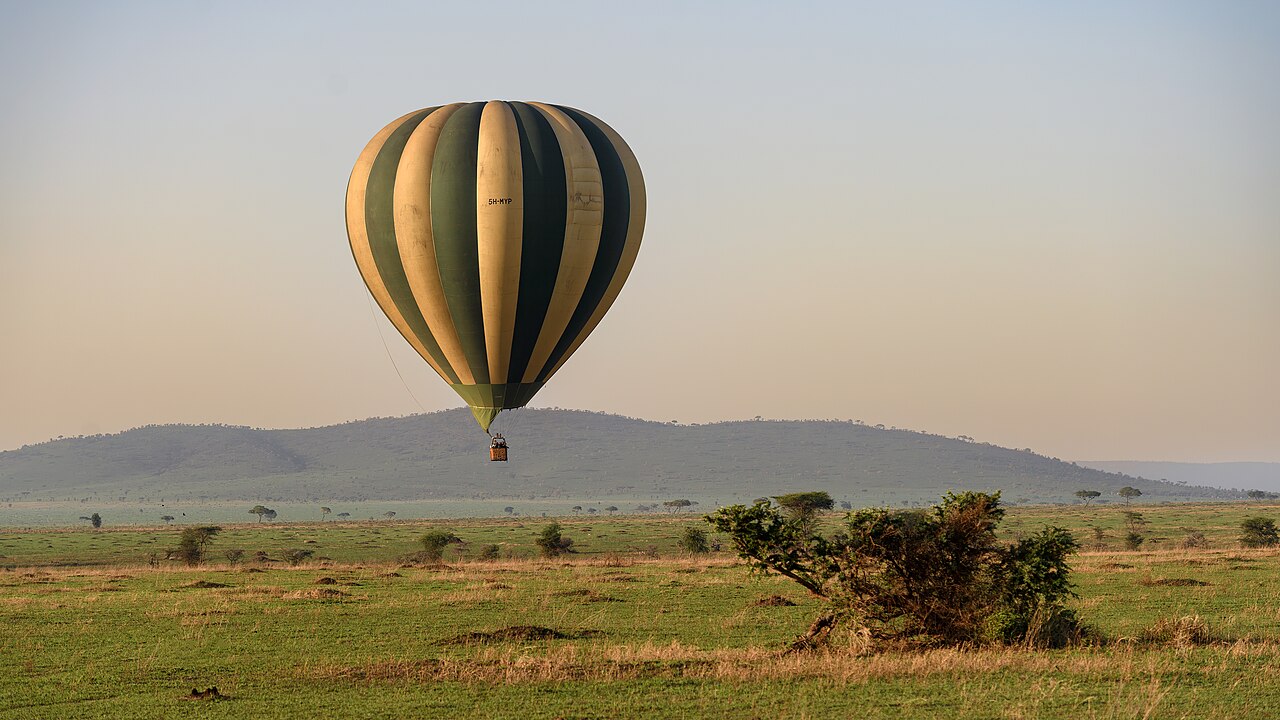
Serengeti balloon safari at dawn · Tanzania, Tanzania
Serengeti balloon safari at dawn
See the Serengeti plains at first light, followed by breakfast in the bush.
Serengeti National Park · Tanzania, Tanzania


Photography: Giles Laurent (CC BY-SA 4.0) · Giles Laurent (CC BY-SA 4.0) · Giles Laurent (CC BY-SA 4.0) · Richard Mortel from Riyadh, Saudi Arabia (CC BY 2.0) · Giles Laurent (CC BY-SA 4.0) · Thomas Fuhrmann (CC BY-SA 4.0). Images may be resized or cropped; share-alike licences continue to apply.
The Serengeti is a large, changing wildlife landscape, not a single viewpoint that can be covered in one drive. Grasslands, wooded areas, river corridors and rocky outcrops give different parts of the park their own character. A successful visit begins with choosing a region and sufficient time there, then matching the camp and transport to that choice. Travelers interested in the migration should be especially careful: the herds move, seasonal patterns vary, and a camp in one part of the park may be far from another area featured in a brochure. Resident wildlife and landscape are reasons to visit in their own right.
TANAPA identifies game drives, balloon excursions and authorized walking experiences among the park's visitor activities. These are distinct products, and availability depends on the provider, location and rules. The scenery can be as absorbing as a headline sighting: leave room to observe behavior rather than setting a rigid daily species target.
Our suggested approach is several nights in one carefully chosen area, adding a second only when the seasonal route or your interests justify the transfer. A northern Tanzania itinerary can combine the Serengeti with other parks, but each transfer uses time that could otherwise be spent outside. Before booking, ask the operator to explain why the proposed camp is appropriate for your exact dates and whether the itinerary's long distances are by road or aircraft.
TANAPA identifies Arusha and Kilimanjaro as principal planning gateways. Road itineraries and light-aircraft itineraries lead to different time and cost tradeoffs. Confirm the destination airstrip against the lodge location and book the final transfer. If combining the park with other northern-circuit areas, ask for a route with realistic transfer days and an explanation of any separate conservation-area charges.
TANAPA highlights June–October for dry-season migration travel and January–February for calving interest, but location matters as much as month. Treat these as broad planning patterns, not a forecast of herd positions or river crossings. Ask the chosen camp about recent conditions and seasonal opening dates.
Separate accommodation charges from park, concession, transport and optional activity charges in the quotation. Check baggage limits for light-aircraft sectors and avoid a tight same-day connection to an international departure. Balloon flights are weather-dependent and need their own cancellation terms. A longer stay in a suitable region is often more rewarding than a itinerary that attempts to cover the whole park rapidly.
In a SafariBookings review dated 27 September 2026, Angie wished she had allocated more time to the Serengeti. Reviews by Elena on 25 September and Flavia on 20 September highlight wildlife and big-cat encounters. These enthusiastic individual reports illustrate the appeal of time in the park, but do not guarantee the same sightings or migration conditions.
Serengeti balloon safari at dawn · Tanzania, Tanzania
See the Serengeti plains at first light, followed by breakfast in the bush.
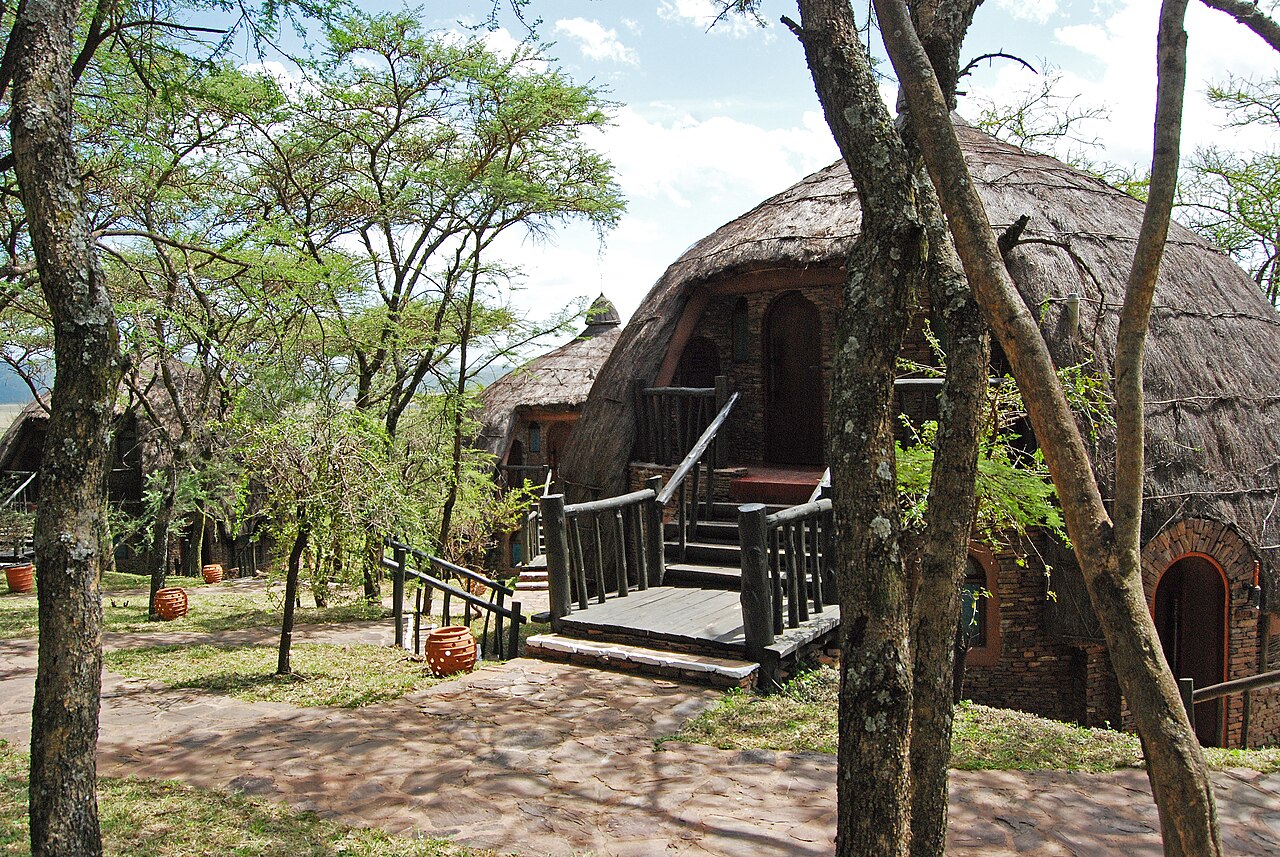
Serengeti Serena Safari Lodge · Serengeti National Park, Tanzania, Tanzania
A permanent rondavel-style lodge with balconies and an infinity pool above the Serengeti plains.