
Ouidah And Ganvie · Benin, Benin
Ouidah And Ganvie
A compact heritage route linking Atlantic history with the famous stilt village.
Heritage coast and lake village · Benin


Plan separate outings for Ouidah's slave-route heritage and Ganvié's stilt-village life, using a southern Benin base and confirming boat arrangements for Lake Nokoué.
Ouidah and Ganvié reveal two distinct aspects of southern Benin: a place of memorial history and living Vodun traditions, and a community whose daily life is closely connected to water. They should be approached as separate visits rather than interchangeable stops on a generic cultural tour.
In Ouidah, interpretation matters because historical trauma and contemporary Vodun practice are not simply spectacle. The Route des Esclaves marks a symbolic path from the Tree of Auctions through the Tree of Oblivion to the Door of No Return on the Atlantic shore. The Temple of Pythons and the Sacred Forest of Kpassè remain active spiritual sites. The Zinsou Foundation and Maison du Brésil add contemporary cultural context. A visit depends on local explanation, permission and respect for privacy.
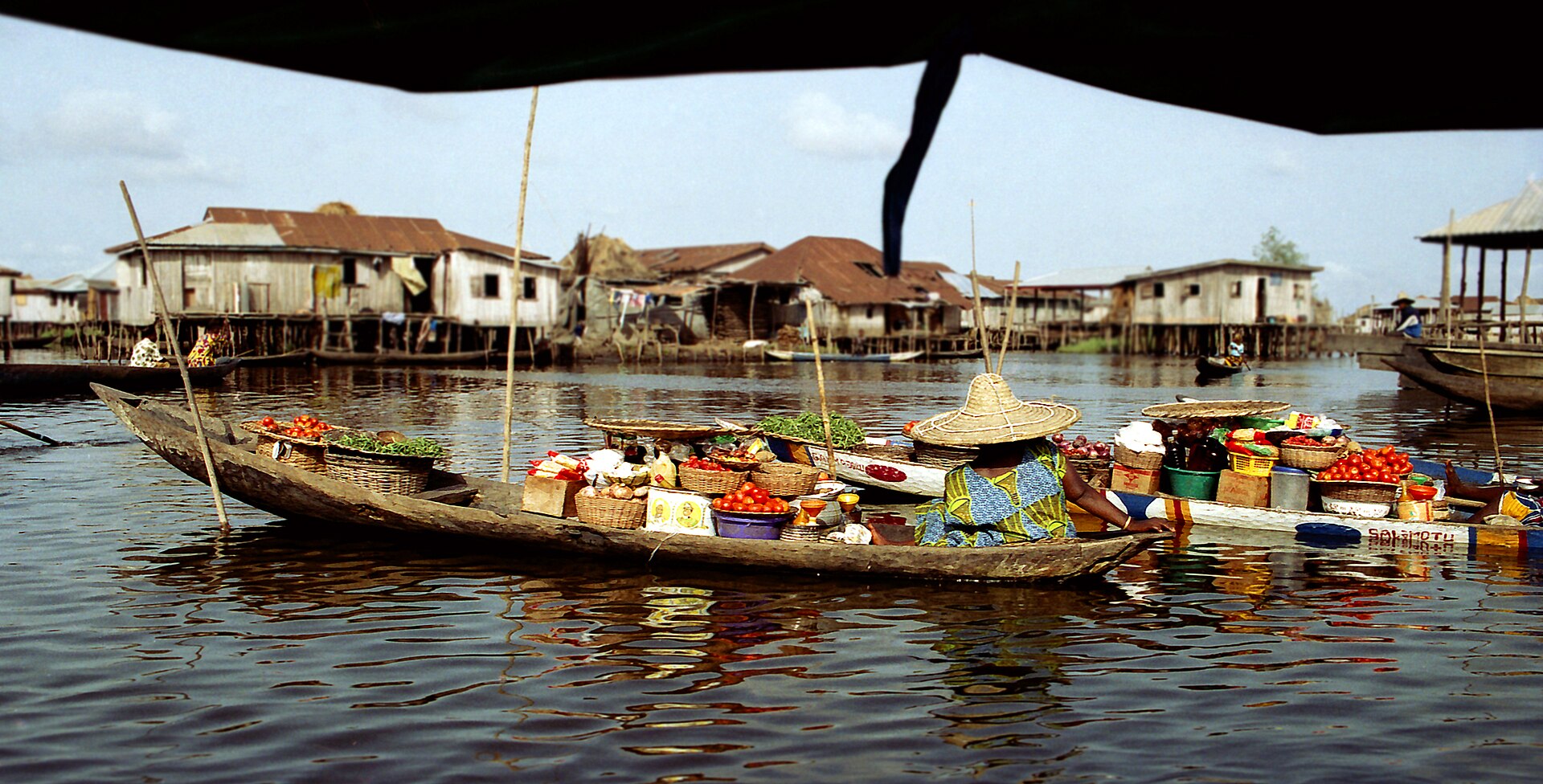
In Ganvié, on Lake Nokoué, the strongest visit recognizes residents as hosts and neighbors, with livelihoods and privacy to respect. The stilt village's fishing, floating market and water-based movement are everyday life, not a performance. A local guide helps turn observation into understanding. Official visitor information specifies lifejackets for the boat crossing; ensure they are supplied and worn rather than accepting a purely informal crossing.
A first southern route can give each place its own outing rather than trying to compress both into a single day. Ask guides to explain who hosts any cultural experience and what visitors are welcome to do. Our recommendation is to leave time for ordinary conversation and locally run services, while avoiding assumptions that every ceremony or sacred place is open for tourism.
Fly into Cotonou Cadjehoun Airport (COO). Arrange a road transfer to your Ouidah or Cotonou base with the accommodation or a named provider; confirm the pickup point, realistic journey estimate and return plan. Do not assume a map distance equals a reliable travel time.
For Ganvié, arrange the boat departure explicitly. Ask the provider to identify the actual embarkation point, boat type and return arrangement. Official Ganvié visitor information specifies lifejackets; ensure they are supplied and worn. Treat the boat visit as its own planned outing, not a casual add-on to a transfer day.
For Ouidah, confirm the road approach separately. The Door of No Return is on Ouidah Beach, approximately seven kilometres from the Casa del Papa resort area. Agree guiding scope and any optional stops before setting out.
Wider travel beyond southern Benin requires a separate review of regional conditions. The UK FCDO (updated 4 November 2026) advises against all travel to northern border regions (Parc du W, Pendjari National Park) and against all but essential travel to eastern departments (Alibori, Atacora). Southern Benin, where Ouidah and Ganvié are located, is not under advisory. Check current advice before extending your route.
For the Ganvié boat visit, consider weather, water conditions and the operator's advice for the departure time. For Ouidah, ask whether ceremonies or events affect access. Do not assume that a festival date guarantees entry to every space or permission to photograph proceedings. Allow flexibility rather than making several dependent bookings on one day.
Benin's coastal climate is generally warm year-round. The broader dry-season window (November–April) may simplify outdoor transfers and boat conditions, but no particular month guarantees ideal conditions for both the lake and the heritage sites. Discuss the actual outing with your local provider close to travel.
Agree guiding, transport and admission costs before departure. Ask permission before photographing people, homes or religious activity. At the Temple of Pythons and Sacred Forest of Kpassè, follow the guide's instructions on access and behavior.
Choose accommodation according to the actual departure routes for your outings, not simply the nearest-looking location on a map. The published Casa del Papa Resort & Spa guide describes a bungalow resort between the Atlantic coast and lagoon near Ouidah, seven kilometres from the Door of No Return; confirm its current access and transfer arrangements directly.
Allow enough time to return from Ganvié before an onward transfer. A full day for Ouidah and a separate half-to-full day for Ganvié is a realistic starting outline. Keep the next morning flexible instead of stacking a border crossing or long drive onto the same stay.
Entry requirements (UK FCDO, checked 14 November 2026): passport valid for duration of stay; e-visa required, apply online at least four working days before arrival (evisa.gouv.bj); yellow fever vaccination certificate mandatory; visas for Nigeria, Ghana and Togo cannot be obtained in Benin.
Ouidah And Ganvie · Benin, Benin
A compact heritage route linking Atlantic history with the famous stilt village.
Ouidah and Ganvié heritage excursion · Ouidah and Ganvié, southern Benin, Benin
Compare a seven-hour guided Ouidah and Ganvié day from Cotonou with slower separate outings, and confirm the memorial route, boat, sacred-site access and photography rules before booking.
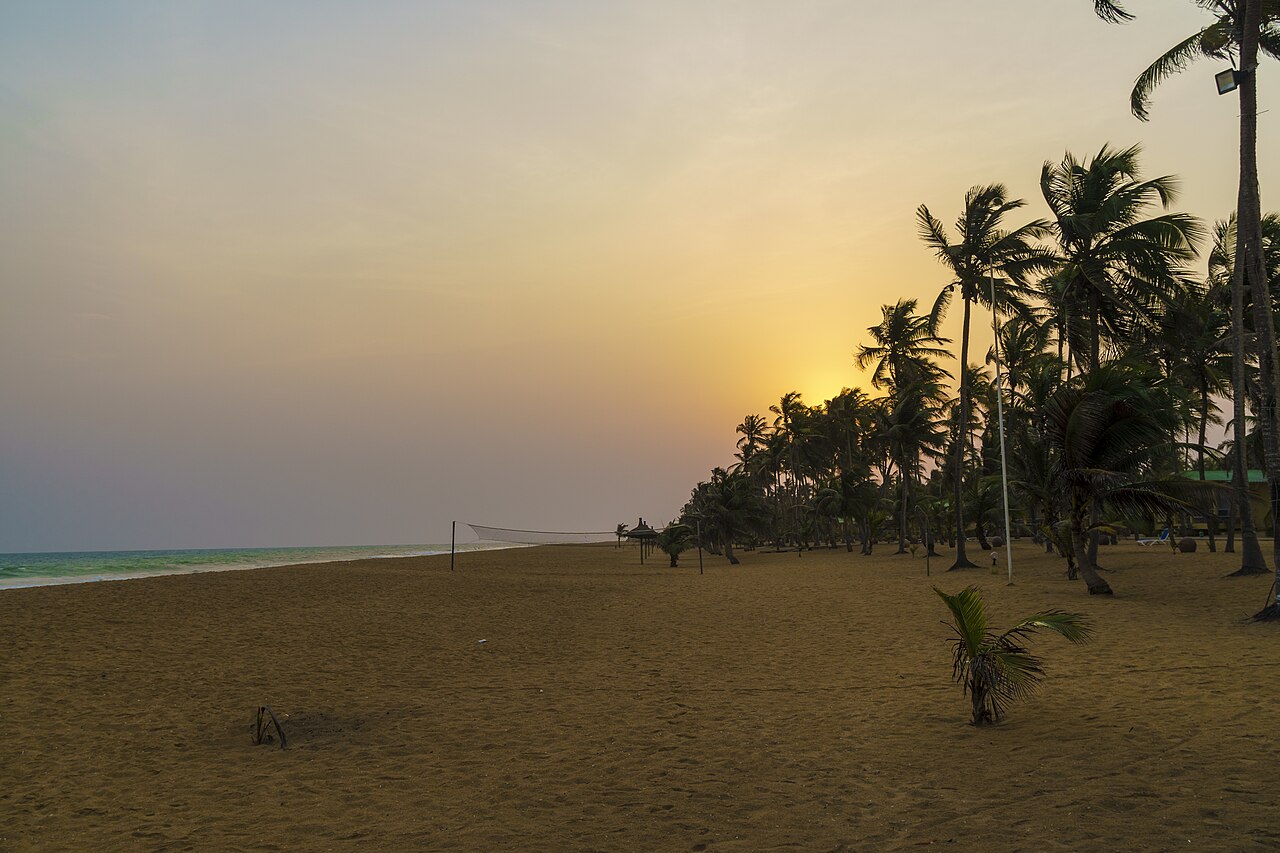
Casa del Papa Resort & Spa · Ouidah Plage, Benin, Benin
A bungalow resort between the Atlantic coast and lagoon near Ouidah.