
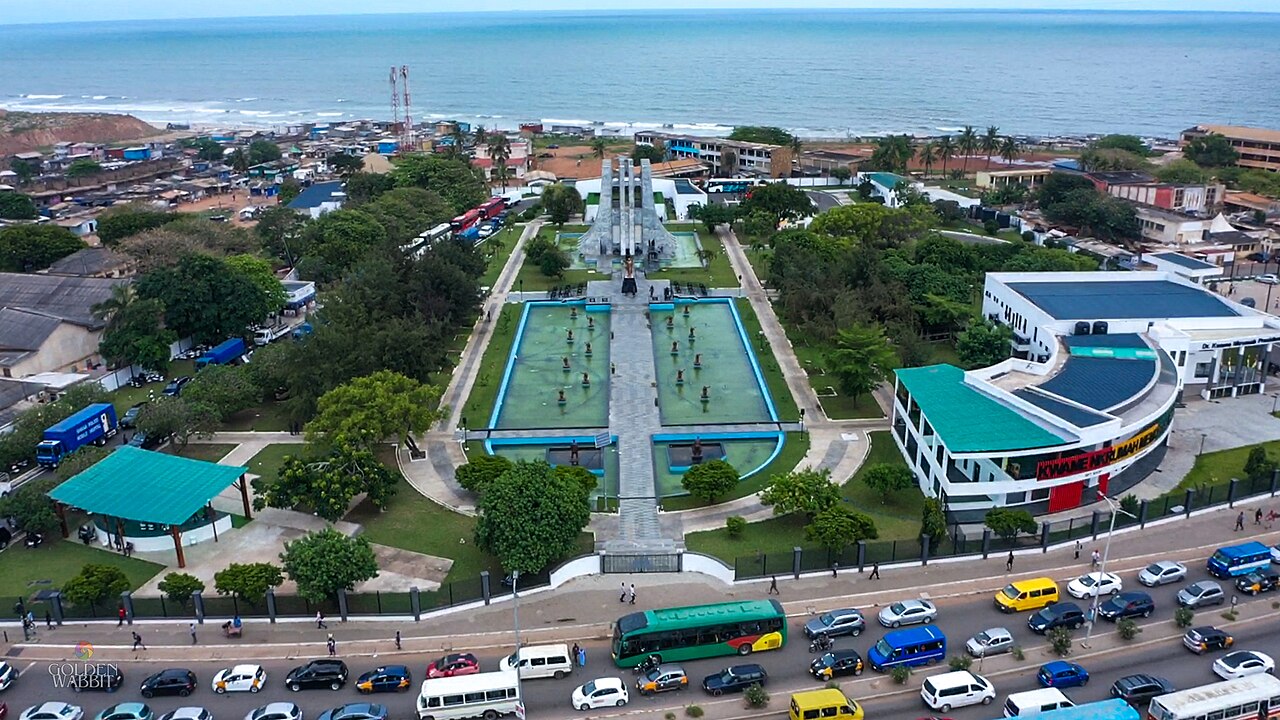
Kwame Nkrumah Memorial Park · Accra, Ghana, Ghana
Kwame Nkrumah Memorial Park
A museum, mausoleum and landscaped memorial to Ghana’s first president and a leading Pan-African figure, set on Accra’s High Street.
Capital city · Ghana
Plan Accra around arrival logistics, the historic districts around Independence Square and Osu, and separate outings to the coast or Shai Hills, rather than a checklist of quick stops.
Accra is Ghana's capital and the seat of the Greater Accra Region, which the Ghana Tourism Authority describes as the country's smallest region by area but second most densely populated, with about 5.4 million inhabitants recorded in 2021 and two metropolitan areas, Accra and Tema. The authority also notes that Accra has served as the national capital since 1877. This is a working coastal capital: government offices, business districts, markets and an international airport share the city with the historic quarters most visitors come to see.
Much of the historic core can be explored on foot in sections. Independence Square, dominated by the Independence Arch and the Black Star Monument, is the ceremonial centre and hosts national events including Independence Day celebrations. The Kwame Nkrumah Memorial Park and Mausoleum on Prof. Atta Mills High Street holds a museum, library and guided tours devoted to Ghana's first president and Pan-Africanist. Osu, together with the older Jamestown and Usshertown districts, contains Osu Castle, a seventeenth-century fortification, and the Jamestown Lighthouse, whose present tower dates from the 1930s and replaced an earlier structure built in 1871. The National Museum on Barnes Road and the National Theatre are the main cultural anchors, while Makola Market on Kojo Thompson Road and the lantern-lit Osu Night Market show the city's everyday commerce.
The coast is part of the city's appeal but needs its own time. The tourism authority lists La Pleasure, Bojo and Kokrobite among the beaches frequented at weekends, and points to Ada, roughly 120 km away where the Volta River meets the Atlantic, for a quieter resort stay. Inland, Shai Hills Resource Reserve lies about 50 km from Accra and covers 52 square kilometres of savanna with caves, birdlife and remnant community sites. Treat each of these as a separate outing. Combining a beach afternoon with the old town, a market and an onward coastal transfer in one day produces a rushed visit rather than a good one.
Accra is served by Kotoka International Airport, Ghana's principal international gateway, whose Terminal 3 opened in 2018 and which the airport operator says handles an average of about 7,780 passengers a day across domestic and international services. Arrange the first transfer with your accommodation or a named provider and confirm the exact pickup point and vehicle before arrival, especially if you land late or during a busy period. The airport sits within the city, so an onward hotel transfer is short in distance but depends on road conditions at that hour.
Within Accra the Ghana Tourism Authority lists taxis and shared minibuses among transport options, and the Kwame Nkrumah Memorial Park notes that visitors reach it by taxi, trotro or Metro Mass Transit bus, or by ride-hailing such as Uber. Agree the fare or confirm the meter before setting off, keep small notes for short trips, and expect a short map distance to take longer than it looks at peak hours. For the Central Region coast, including Cape Coast and Elmina, plan a separate road transfer and confirm the realistic journey estimate, the drop-off point and the return arrangement with your accommodation or operator rather than assuming a quick hop from the capital.
Ghana's currency is the cedi, and the tourism authority notes that Visa and Mastercard are the most widely accepted cards at major hotels, restaurants and larger businesses. Carry cash for markets, small entries and transport, and check current entry requirements before travel: the UK FCDO records that a passport valid for at least six months and a visa obtained in advance are required, that a yellow fever certificate is mandatory, and that travellers must complete a Ghana Health Declaration before departure.
The Ghana Tourism Authority describes the climate as warm and tropical all year round and places Accra in the country's dry equatorial zone. Expect heat and humidity rather than a cool season, and plan outdoor walking for early morning or late afternoon, with water and shade built into the day. Coastal conditions and short rains can change a beach or walking plan quickly, so check a current local forecast before committing to an outdoor day and keep an indoor option such as the National Museum or the memorial park.
Accra also has a busy events calendar. National celebrations, festivals, conferences and matches can affect access to squares and roads, and can change hotel availability and prices around particular dates. Check event dates and any road arrangements close to travel instead of assuming an ordinary weekday. The FCDO advisory for Ghana is updated regularly and currently advises against all but essential travel to the Bawku Municipal area in the Upper East Region; read the full advisory before finalising any northern itinerary.
A workable shape is three nights with one district per day: arrival and an easy first evening in Osu; a full day for Independence Square, the Kwame Nkrumah Memorial Park and the Arts Centre, which the park notes stands adjacent to its grounds; then a morning in Jamestown or Usshertown with the National Museum. Add a fourth night if you want a separate coastal or Shai Hills outing, and keep the onward road transfer to the Central Region on its own day rather than stacking it behind a morning of sightseeing.
The Kwame Nkrumah Memorial Park publishes its own hours and rates and states Monday to Saturday opening from 09:00 to 19:00 and Sunday from 10:00 to 19:00, with entrance fees for non-Ghanaian visitors of GHS 100 for adults, GHS 60 for tertiary students and GHS 30 for children, and lower rates for Ghanaian visitors. These figures were checked on 16 November 2026; confirm them with the park before you go, since rates and event access can change.
Choose one base rather than moving hotels within the city. A downtown address near Barnes Road puts the memorial park and the National Museum within reach, while Osu suits travellers who want restaurants, nightlife and the night market close by. Keep park and museum entries, transport and meals as separate line items when you budget, because a city day is rarely covered by one ticket.
Finally, treat Accra as a place to adjust rather than a place to tick off. The value of a first day here is often practical: a SIM card, cash, a walk to get your bearings and an early night before an onward journey. If you are continuing to the coast, confirm that transfer before you arrive, and if you are flying out, leave a generous buffer around the international departure.
Kwame Nkrumah Memorial Park · Accra, Ghana, Ghana
A museum, mausoleum and landscaped memorial to Ghana’s first president and a leading Pan-African figure, set on Accra’s High Street.
Kwame Nkrumah Memorial Park guided visit · Accra, Ghana, Ghana
A guided half-day visit to Ghana's founding father's memorial: museum, mausoleum, Freedom Wall and gardens. Agree the guide, meeting point and pace before booking; combine with Independence Square and the Arts Centre.
Accra City Hotel · Barnes Road, downtown Accra, Ghana, Ghana
A full-service four-star city hotel on Barnes Road in downtown Accra, with a pool, fitness centre, tennis court and on-site dining; a practical base for the Kwame Nkrumah Memorial Park and Independence Square.
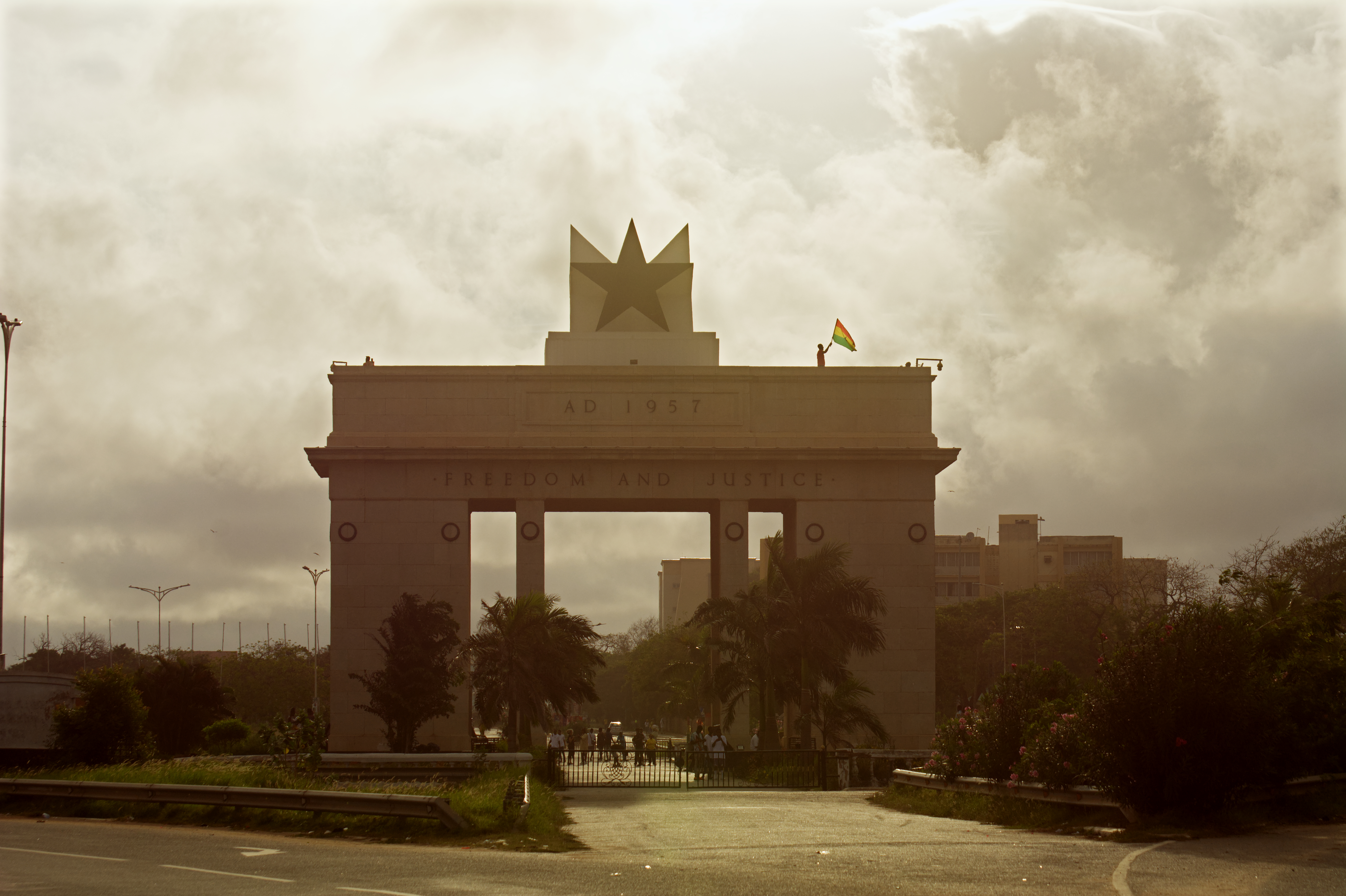
Plan a first Ghana trip: Accra arrival and the Cape Coast–Elmina castle circuit
Build a first Ghana trip around the visa timeline, a first-night Accra base, and a paced Cape Coast–Elmina castle circuit with Kakum on its own morning — the decisions that shape the whole journey.
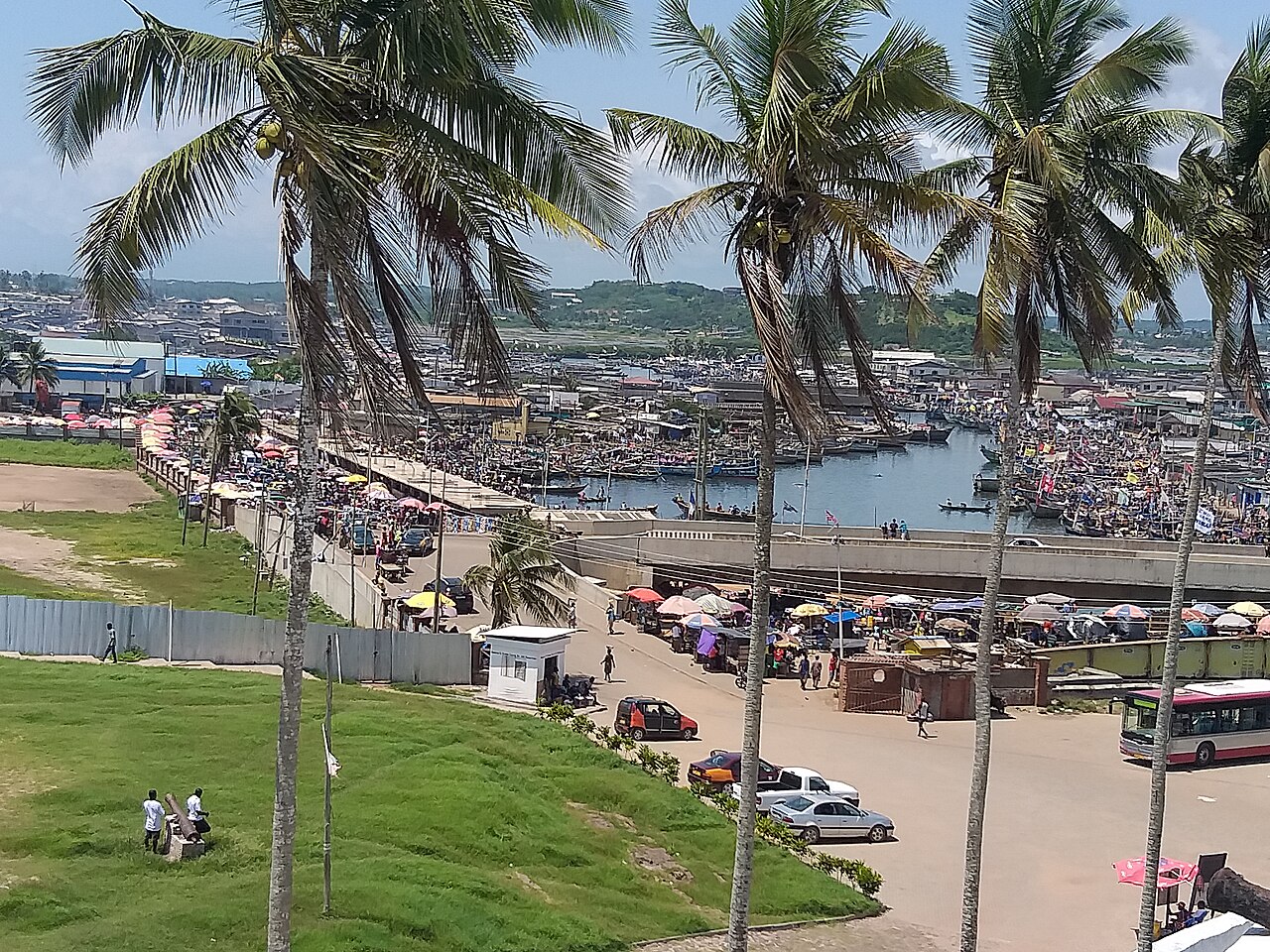
Elmina · Ghana
Plan a thoughtful Elmina visit around its coastal history, with time for reflection and separately arranged trips to Cape Coast and Kakum.