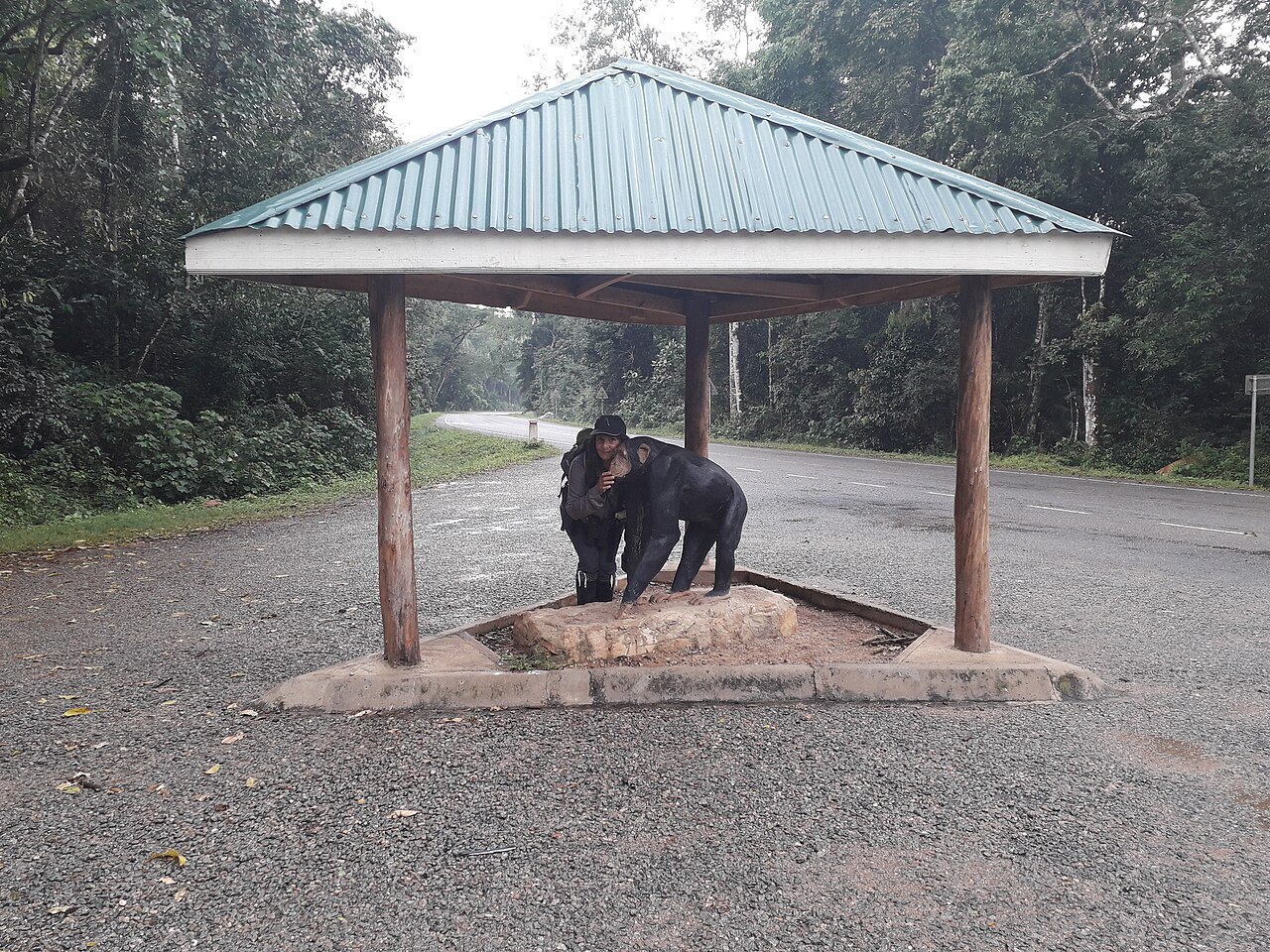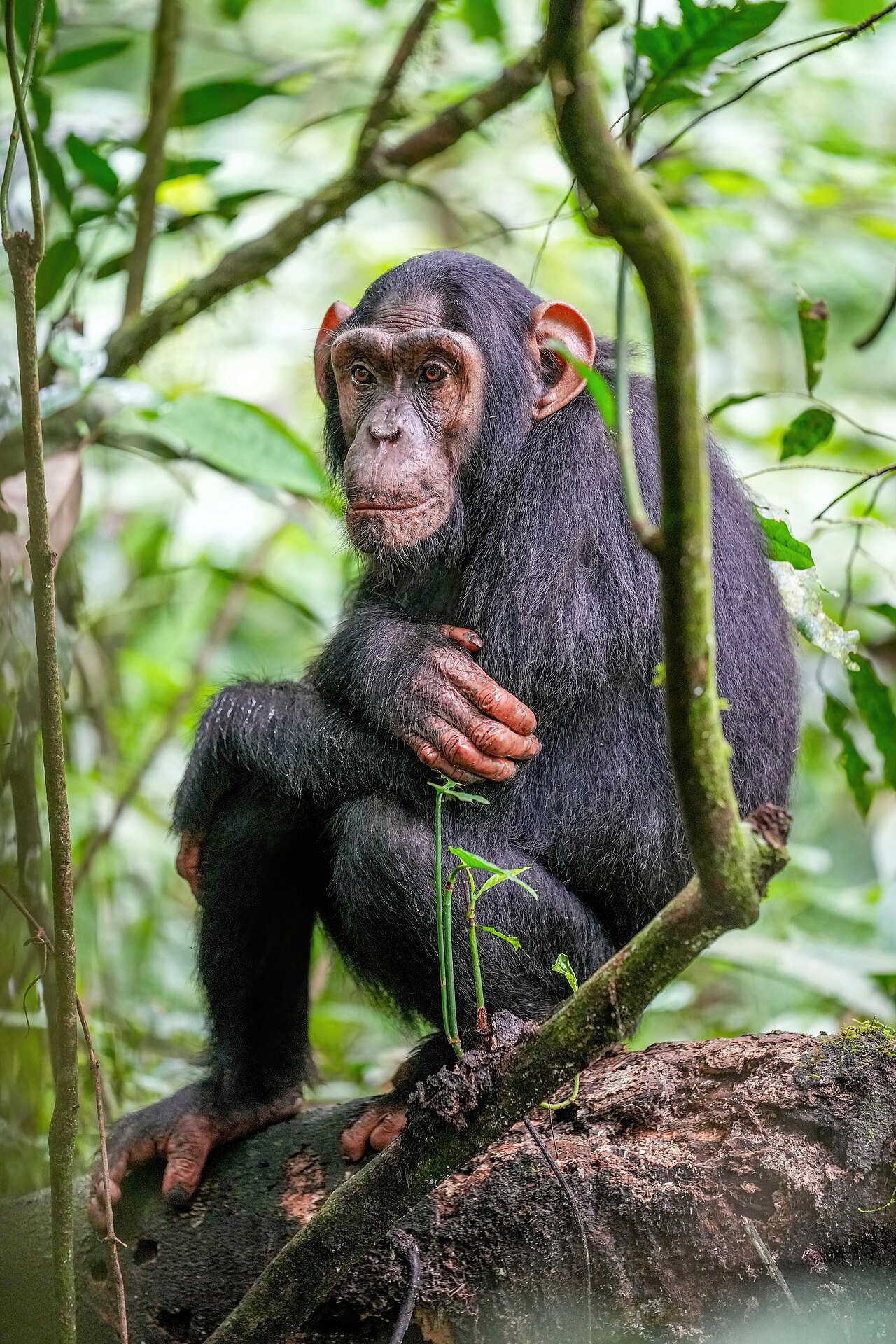
Research checked 18 October 2026. This is an editorial pacing suggestion, not a UWA permit schedule or an operator-confirmed itinerary.
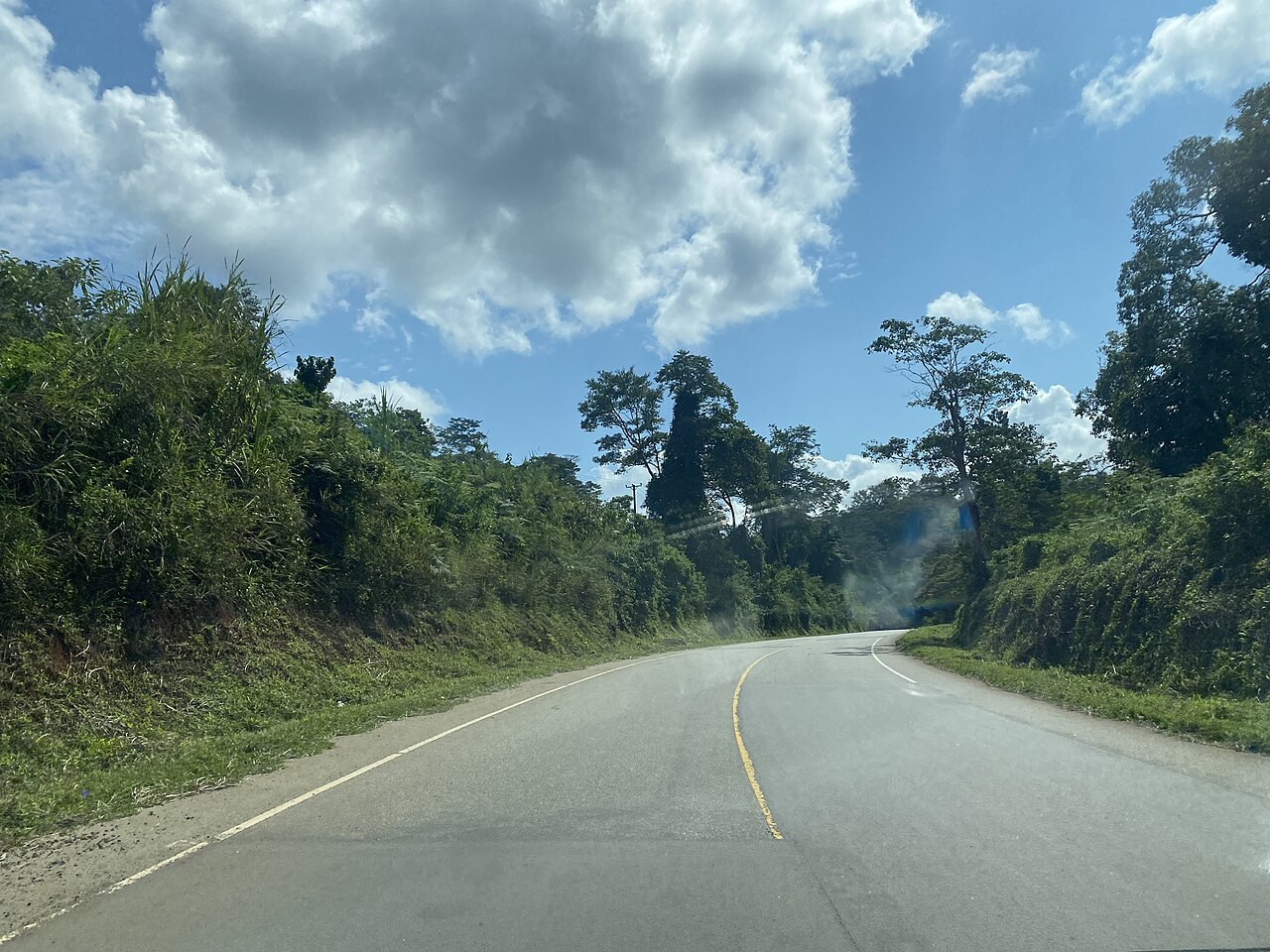
If chimpanzee tracking is the reason for your Kibale visit, build the journey around the trek rather than trying to fit the walk into a transfer day. UWA describes the Kampala–Fort Portal highway route as about 326 kilometres and roughly six hours to the park, with Fort Portal about an hour away. Treat those as planning estimates: traffic, stops, weather, road conditions and your final lodge location all affect the day. For the trek-first plan below, this direct highway approach is the simplest route to schedule around.
There are other ways to shape a longer Uganda circuit. UWA describes a longer approach through Mbarara, with possible stopovers at Lake Mburo and Queen Elizabeth National Parks; plan that as a multi-stop journey with its own overnights, not as a shortcut to a fixed trek time. There are no direct flights into Kibale: UWA lists scheduled or charter flights to Kasese followed by a road transfer to park headquarters, or charter flights to Fort Portal. Flight schedules, connections and onward transfers need to be confirmed together before choosing this option; it reduces the initial road leg, not the need to reach the confirmed reporting point.
Fort Portal or the forest for the night before your trek?
Start with the reporting point on your booking. For an early walk from Kanyanchu Visitor Centre, a forest-side stay can make the morning easier. Ask your host how long the drive from their door to the centre usually takes and whether breakfast can be ready before pickup. A lodge address that says “Kibale” tells you less about your morning than those two answers.
Choose Fort Portal if the town itself is part of the trip. You might spend the afternoon at Mpanga Market and stay in town for dinner, then head to the forest the next morning. Work backwards from registration and the ranger briefing when agreeing a pickup with your driver. Uganda Wildlife Authority puts the park about an hour from Fort Portal. Your hotel, the road and the entrance you need all affect that estimate. If you are travelling solo, price the outward and return journeys together before comparing a town room with a forest lodge.
With two nights to allocate, an early permit favours sleeping near Kanyanchu first and moving into town after the walk. Agree where your bags will stay and how to contact the driver when you return. If your main pleasure is an unhurried evening after the trek, both nights in the same room spare you a checkout on trekking day.
A calmer two-night outline
Day 1 — Travel to the forest area. Leave enough time for the road journey and settle near the reporting point confirmed for your permit. If you are coming from Kampala, do not schedule a trek soon after the drive on the assumption that the road will take the indicative time exactly. The Kibale Forest Camp guide covers one forest-edge base; confirm the exact meeting point and transfer with your host and UWA.
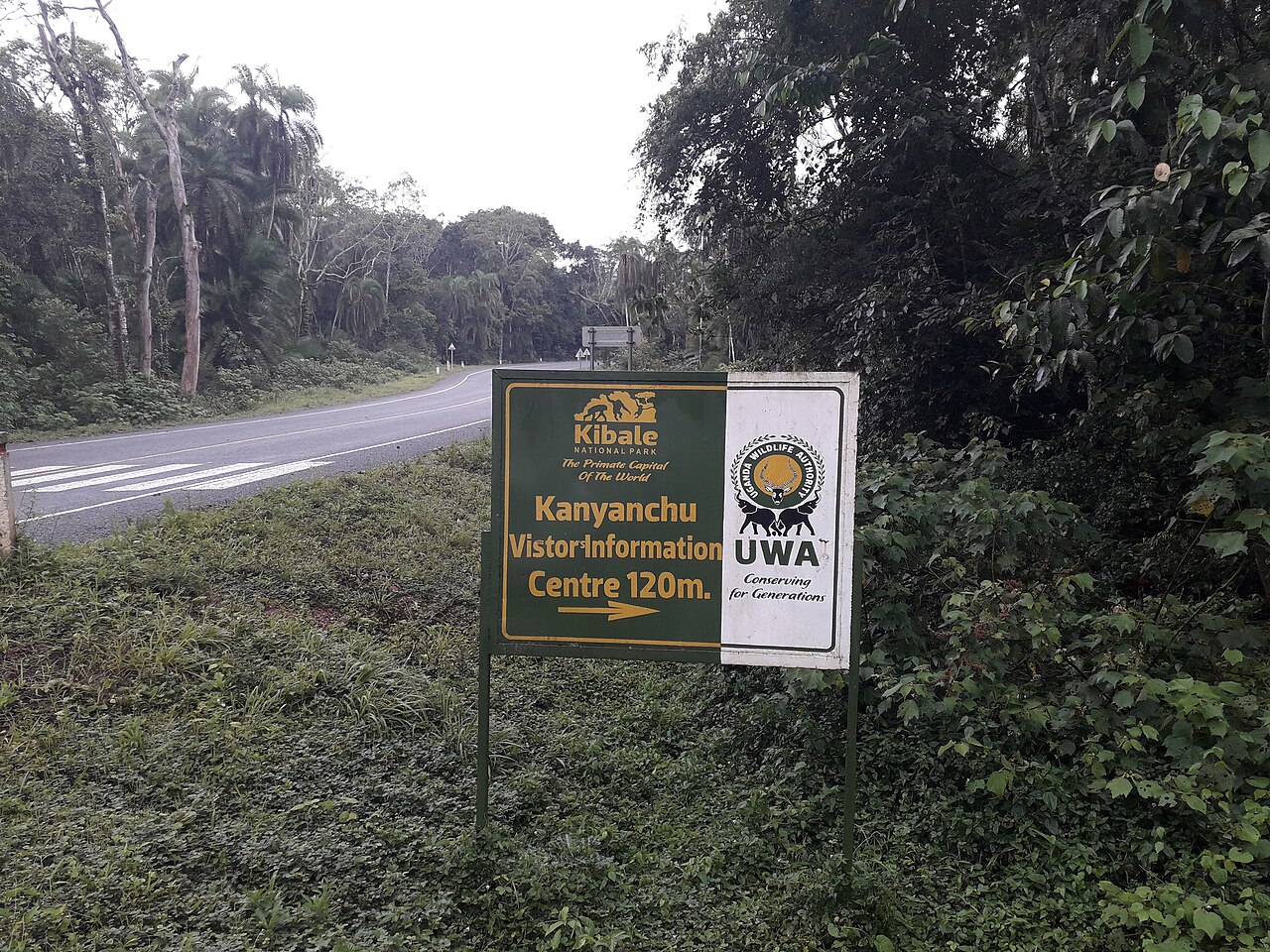
Day 2 — Track, then stay locally again. Keep the day centered on the guided forest walk. UWA says the walk’s duration varies with chimpanzee movements, weather and terrain, so avoid committing to a tight onward transfer or another fixed activity immediately afterward. A second night nearby gives you room to rest and reduces pressure to leave the forest area as soon as the trek ends.
Day 3 — Continue your Uganda route. Depart after breakfast or at a time agreed with your driver and next accommodation. If your wider itinerary includes another park, treat that as a separate road leg and confirm its actual route and expected conditions with the driver. Do not treat a map estimate as a guaranteed transfer time.
Why not make Kibale a Kampala day trip?
For most visitors whose priority is a trek, a Kampala return day trip leaves little margin around a long drive and a variable forest walk. That is a planning judgment based on UWA’s published route estimate and walk-duration caveat, not a formal UWA rule. A shorter itinerary can still work if your confirmed permit timing, transport and overnight plan genuinely fit; do not rely on an unconfirmed departure slot or attempt to recover lost road time by rushing.
Confirm the details that can change
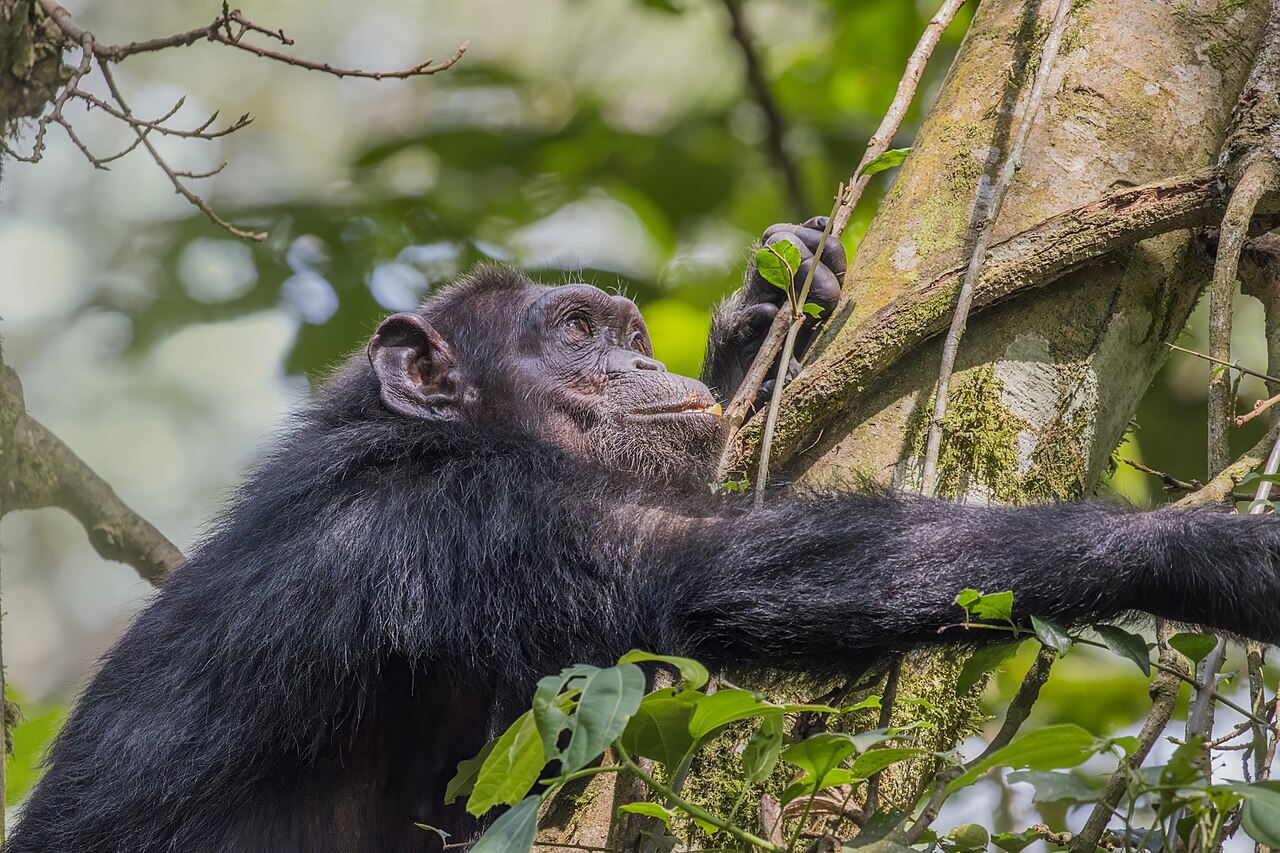
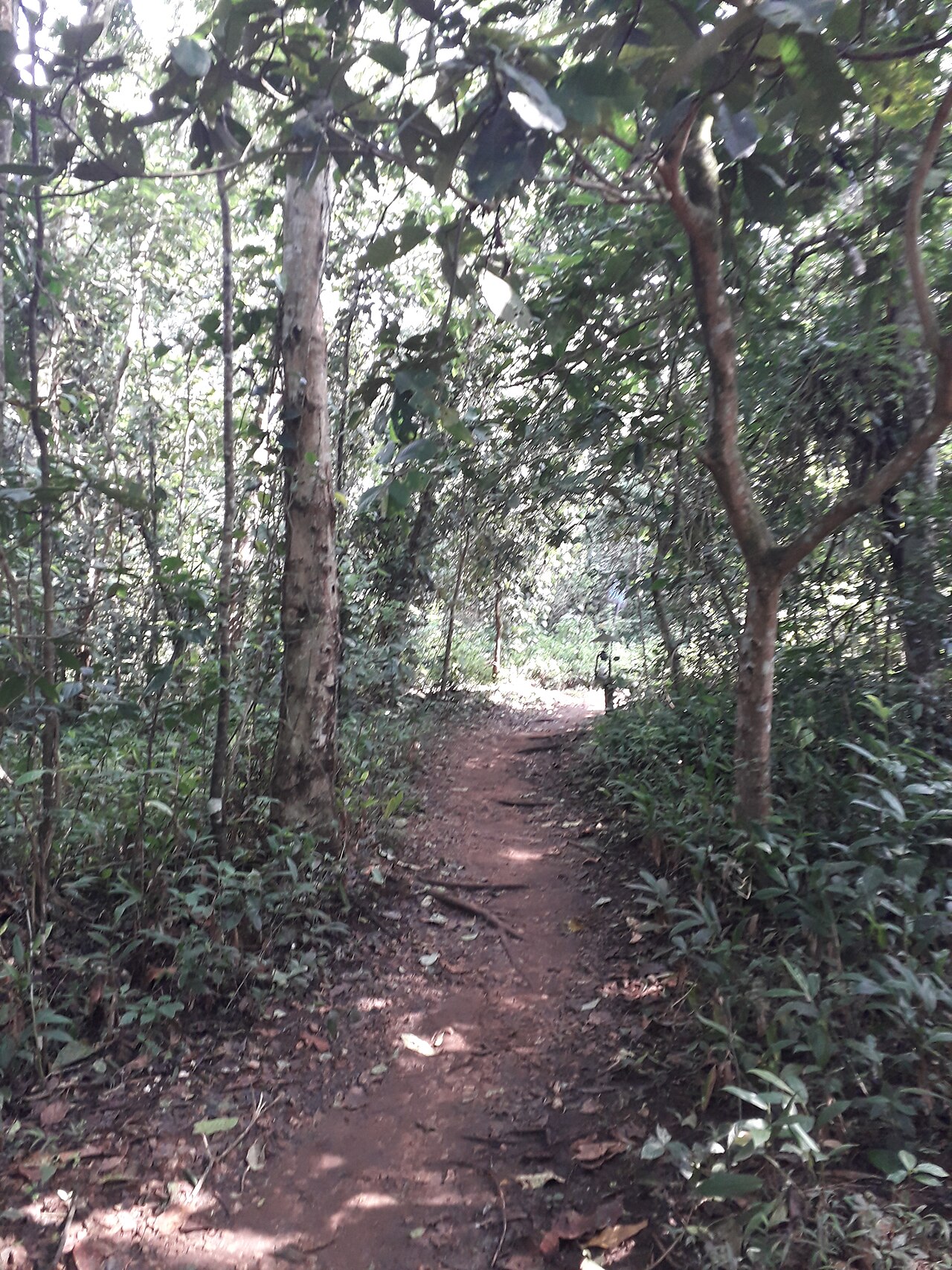
Before you pay or set out, confirm the permit date, current eligibility, reporting point and time, included fees, transfer arrangements and cancellation terms with UWA or a licensed operator. UWA’s current park page lists operational details, while its separate chimpanzee-tracking page is sparse; because published details have differed, this insight deliberately does not repeat a fixed departure time, minimum age or current price. Ask your accommodation to confirm how far it is from your actual reporting point. Pack for a guided walk on uneven forest trails and follow the ranger’s briefing; weather, effort and wildlife movements vary, and no sighting is guaranteed.
Continue planning
Read our Kibale National Park guide for the forest experience and practical visitor considerations, then compare the location and facilities in the Kibale Forest Camp guide. The two-night outline here focuses on pacing the road journey around a trek; it does not replace current permit or transport confirmation.