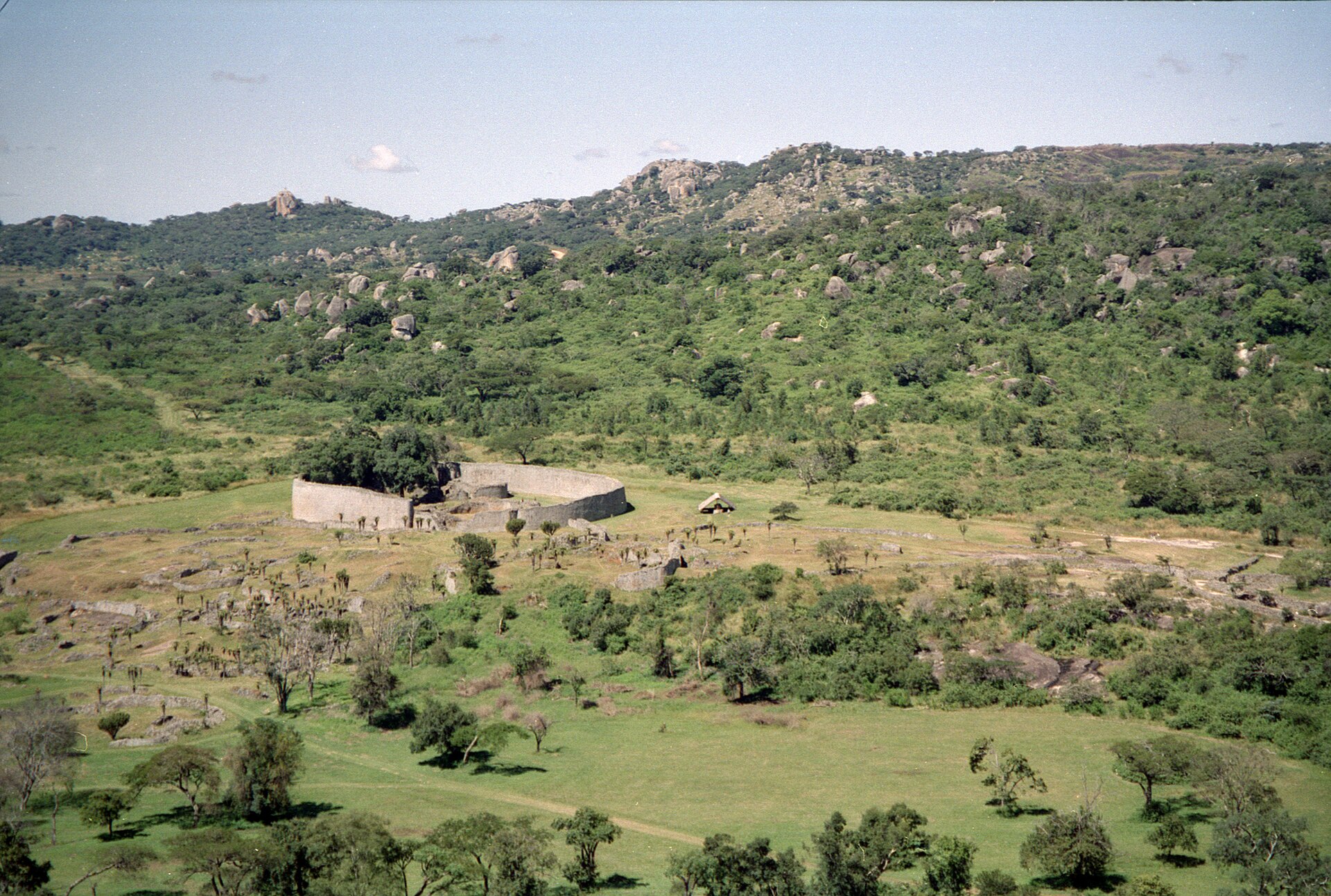
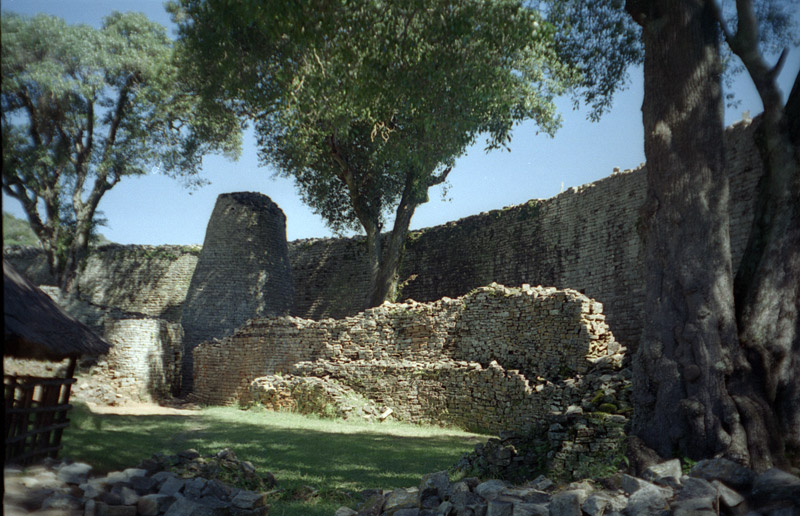
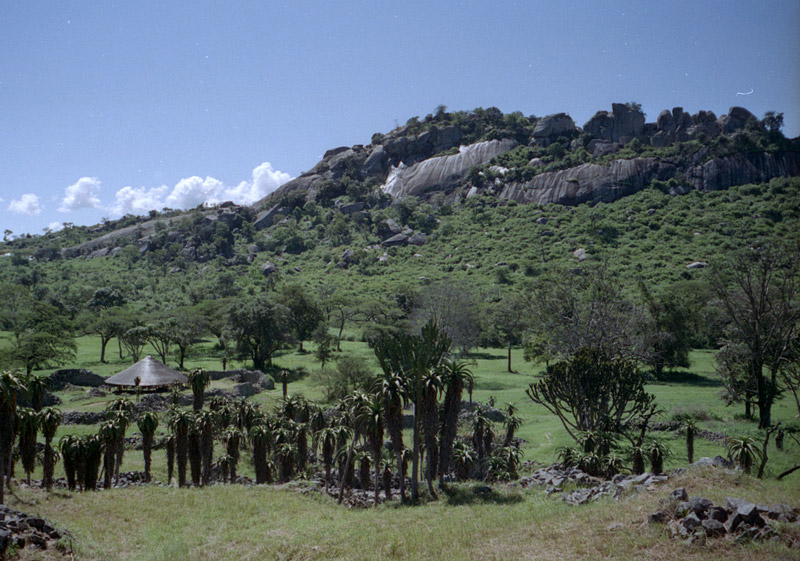
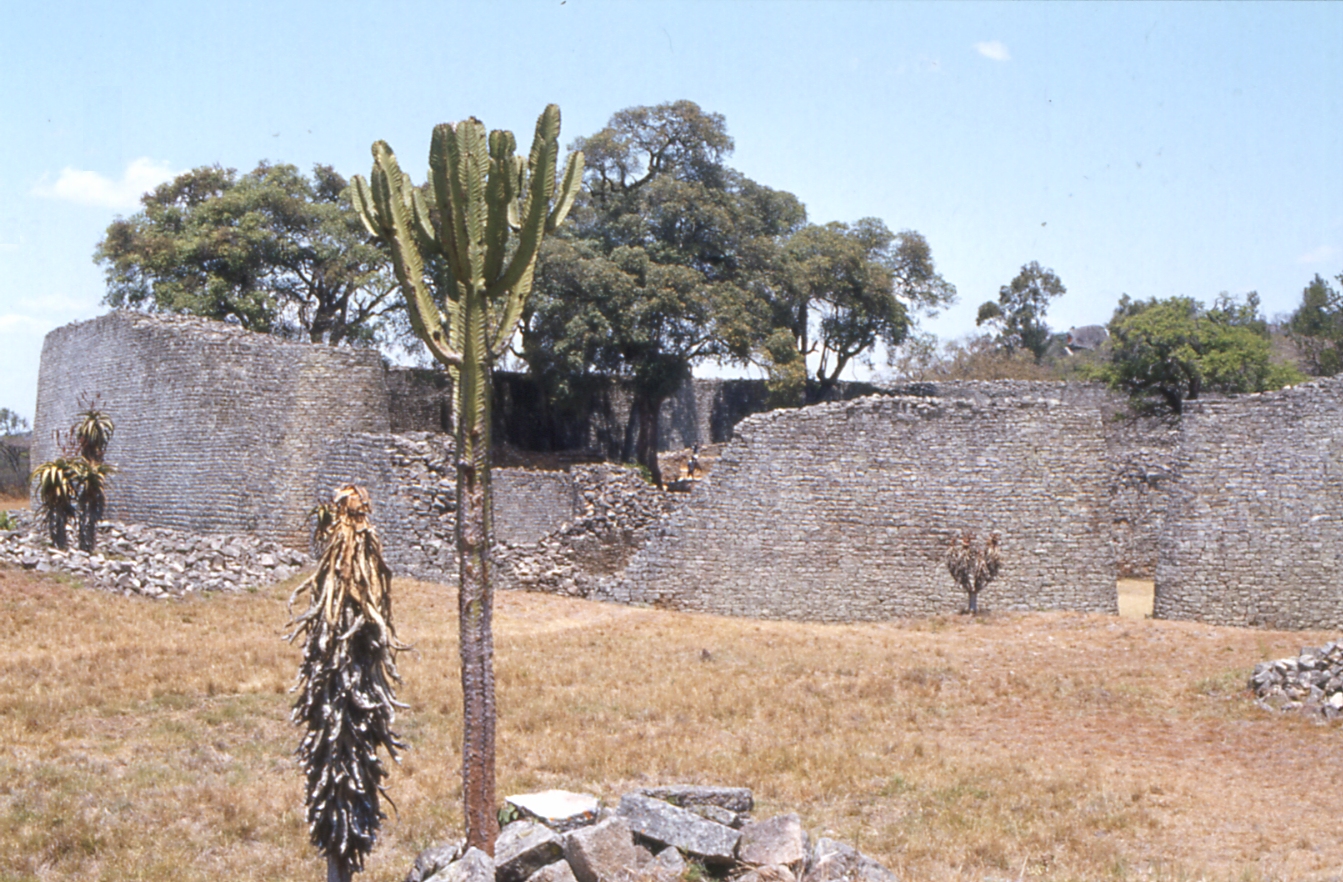
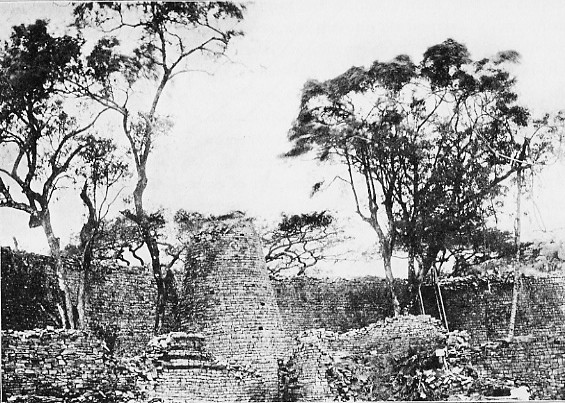
Great Zimbabwe is best understood by moving between its distinct areas rather than viewing one enclosure in isolation. The National Museums and Monuments of Zimbabwe (NMMZ), which manages the monument, identifies the Hill Complex, Great Enclosure, Valley Ruins and surrounding settlement remains. A guide can help explain how dry-stone construction, settlement patterns and archaeological finds fit together. The monument’s official page also identifies guided tours and a site museum with objects recovered here, including the Zimbabwe birds. Read our Great Zimbabwe National Monument guide for the broader visit and access context.
Choose the guide arrangement
NMMZ lists guided tours among the activities at the site and says tour guides are provided through its Masvingo regional office. Separately, Great Zimbabwe Hotel advertises a Monument Tour that covers the Hill Complex, Great Enclosure and Valley Ruins, with an optional museum visit. The hotel gives an approximate duration of two to three hours and says departures leave from its lobby. Treat those details as the hotel’s current advertised product, not a promise about an NMMZ guide or every tour. Before travelling, contact the provider you intend to use to confirm the guide, date, meeting point, language, route and whether museum entry or monument admission is included.
A useful sequence is to begin with the Hill Complex if your guide confirms it is open and the climb suits your group, then continue to the Great Enclosure and the more dispersed Valley Ruins. Allow time for the guide’s interpretation and pauses; if you have less time, ask which areas can be covered without rushing. The museum can add archaeological context, but confirm its current opening and whether it fits within the tour slot. These are planning suggestions: the operator or NMMZ may adjust the route for access, conservation work or conditions on the day.
Getting there and making a day of it
NMMZ places Great Zimbabwe about 27 kilometres southeast of Masvingo. Arrange your road transfer to the monument separately unless your chosen operator explicitly confirms transport. The hotel tour’s stated lobby departure does not establish pickup from Masvingo town or another hotel. Confirm where you must arrive, how you will return, the expected finish time and whether the driver waits. Do not plan a tight onward connection around an approximate tour duration.
The NMMZ homepage currently lists opening hours of 08:00–16:30 daily (checked 27 October 2026). Verify those hours, last entry, admission, payment methods and any area closures directly with NMMZ before travel. The full site is an outdoor walk across separate areas, including a climb at the Hill Complex. Wear secure footwear, carry water and sun protection, and ask the guide which sections are appropriate for your party. If steep or uneven walking is a concern, discuss a modified route before starting rather than assuming the tour is step-free.
History, season and respectful visiting
UNESCO describes the monument as a major Shona-built centre dating mainly from the 11th to 15th centuries and notes its continuing spiritual significance to contemporary communities. A guided walk is an opportunity to learn about a living heritage place as well as its archaeological record. Follow staff directions, keep to authorized paths and do not climb on, move or remove stones. Ask before photographing people or any activity taking place at the site.
This route is an outdoor walk, so check the forecast and reconfirm the tour and opening arrangements for your date. Route access depends on current conditions and site operations. If rain, heat or conservation work changes the plan, follow the guide’s instructions and treat the revised route as part of the visit rather than seeking closed areas.
Booking and feedback
Arrange this visit directly with your chosen provider. Obtain the date, meeting point, admissions, transport and cancellation terms in writing. Read recent feedback for the exact provider and route you plan to book.
Pack a small day bag with water, sun protection, comfortable walking shoes, any personal medication and a light layer suited to the forecast. Bring a camera only if you can use it without stepping off the route or disturbing other visitors. Give the guide time for questions and interpretation; the value of the walk is in understanding the place, not checking off every wall as quickly as possible.