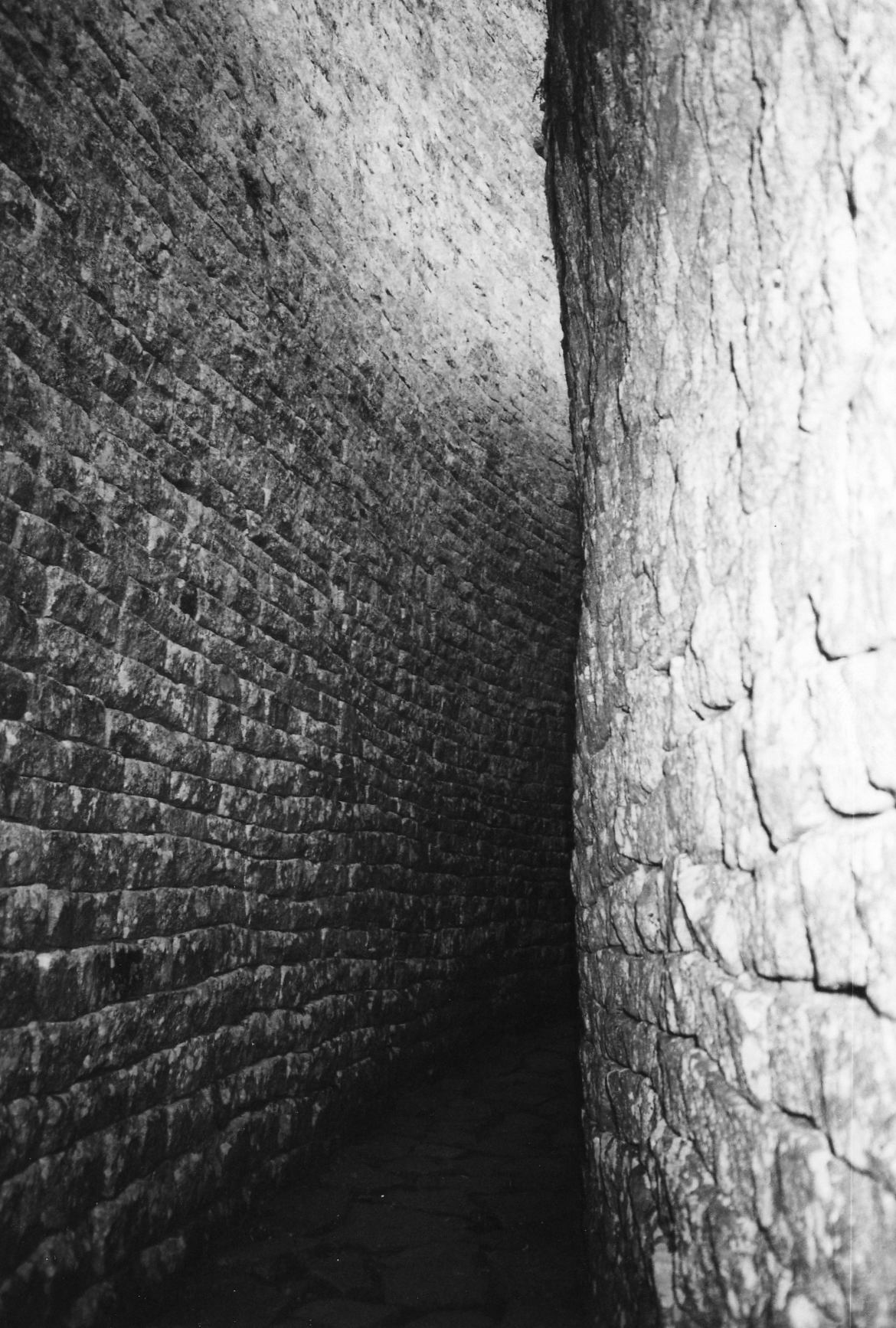
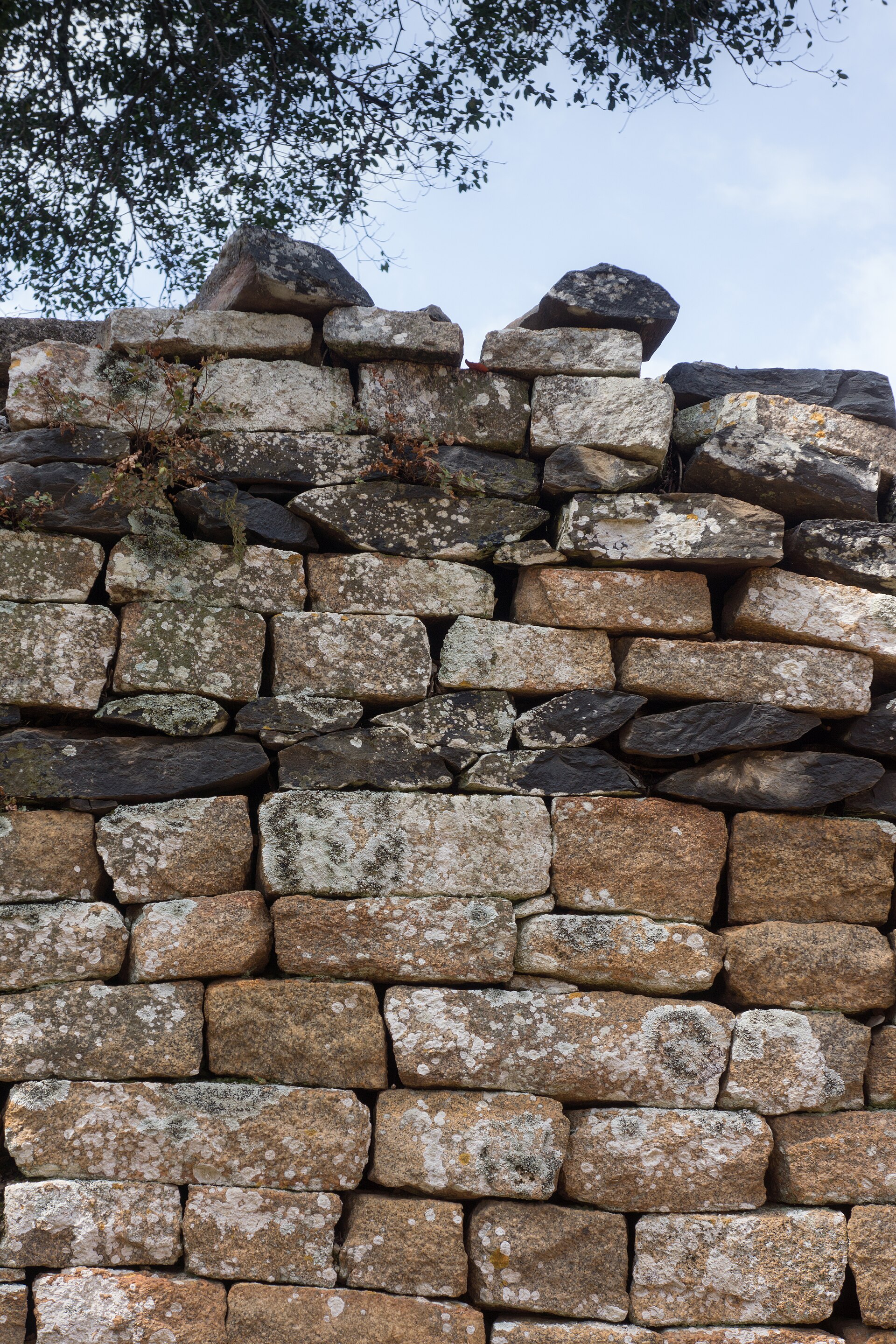
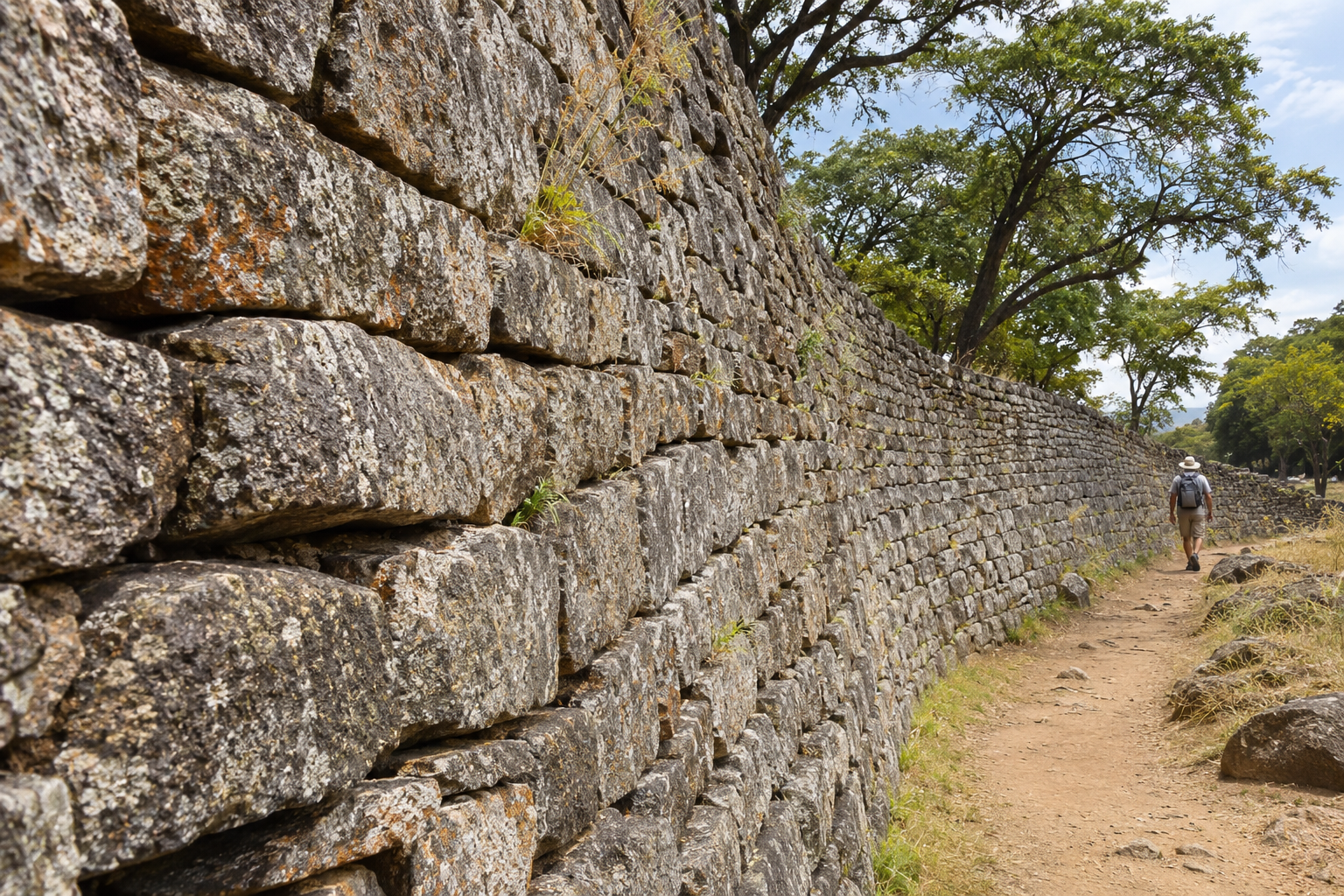
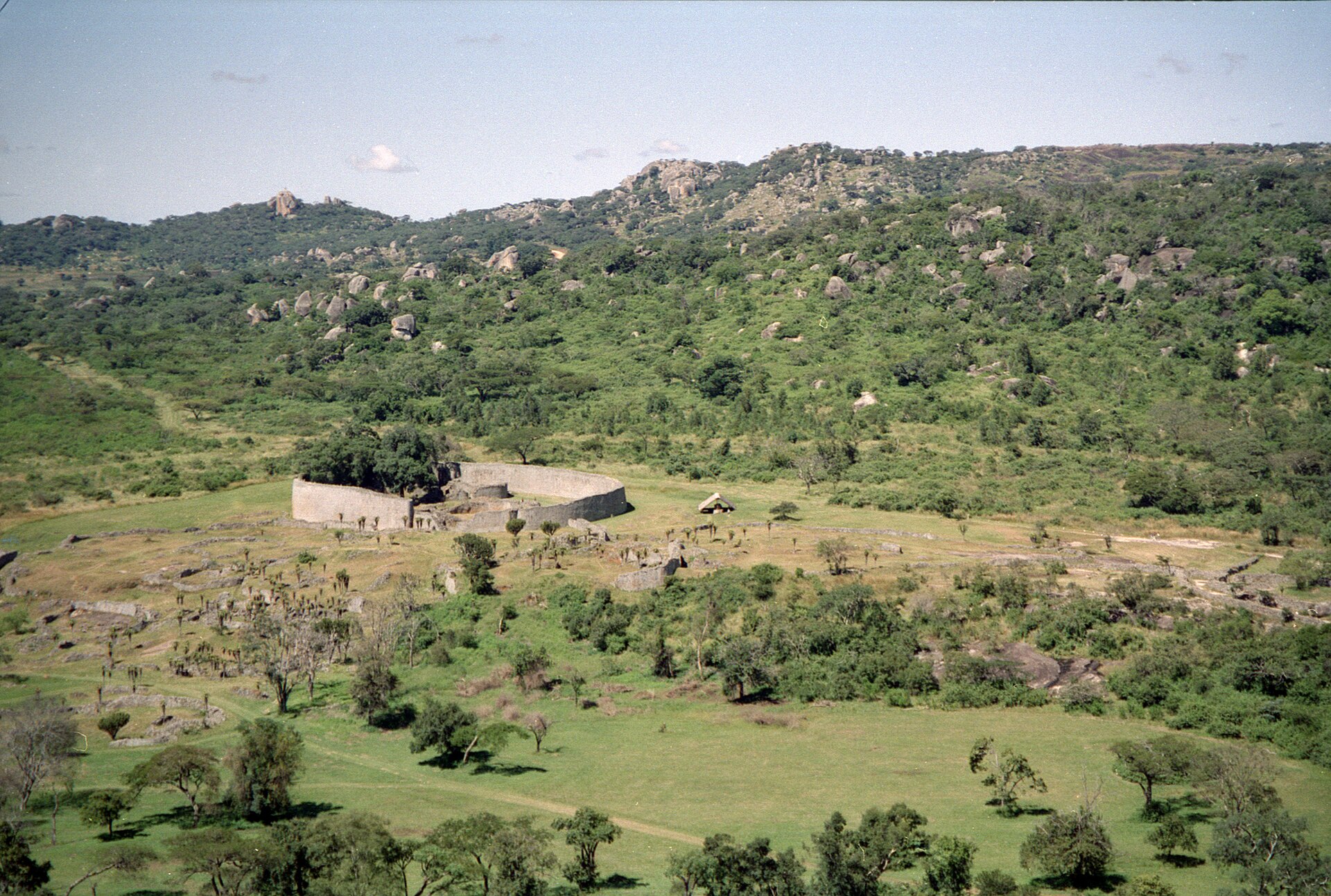
The monument is organized around three groups: the Hill Ruins, the Great Enclosure and the Valley Ruins. On the granite hill, walls shape a series of enclosures and narrow, partly covered passages. Below, the Great Enclosure’s carefully coursed stone wall surrounds former living spaces and a narrow passage leading toward its tall conical tower. The Valley Ruins are dispersed residential ensembles rather than one single building. Moving between these different forms helps visitors read the site as a lived city and trading centre, not simply a collection of dramatic walls.
UNESCO dates the main city to about 1100–1450 and records trade evidence including beads and porcelain from Asia and gold and Arab coins from Kilwa. The monument was built by Shona communities; the name Zimbabwe is associated with “house in stone.” The carved soapstone birds found here became a national emblem. UNESCO also notes that the site continues to hold spiritual significance for contemporary communities, so follow staff instructions, respect restricted or sacred areas, and ask before photographing people or ceremonies. See the UNESCO World Heritage description for the historical and conservation context.
For a practical visit, use Masvingo as your staging point: UNESCO places the monument about 30 km from the city. Arrange the last road transfer with your accommodation or transport provider; confirm pickup, return time and whether the driver will wait. Set aside a substantial part of the day for the site rather than treating it as a quick roadside stop. A suggested sequence is to ask staff whether the Hill Ruins are open and suitable for you, start there while you are fresh, then continue to the Great Enclosure and Valley Ruins. The hill includes climbs and narrow passages; if heat, balance or mobility affect your day, ask staff to help prioritize a more comfortable route.
A Tripadvisor visitor who went in August 2025 and posted on 2 September described the paths as well marked and the museum collection as worthwhile, while warning that the shop and restaurant were basic and not reliable as a lunch plan. That is one traveler’s account, not a current facilities guarantee. Confirm what is open with the National Museums and Monuments of Zimbabwe (NMMZ), the monument’s manager, before you set out.