SANParks calls Kruger “truly the flagship” of the South African national parks: nearly two million hectares established in 1898, with 12 main rest camps, 5 bushveld camps, 2 bush lodges and 4 satellite camps, and visitors who can explore the park in their own vehicles. The authority's own summary counts 147 mammal and 507 bird species, alongside cultural sites such as Masorini and Thulamela. That combination — scale, self-drive access and fixed infrastructure — is what a Kruger game drive day is built on.
Self-drive: the park's own model
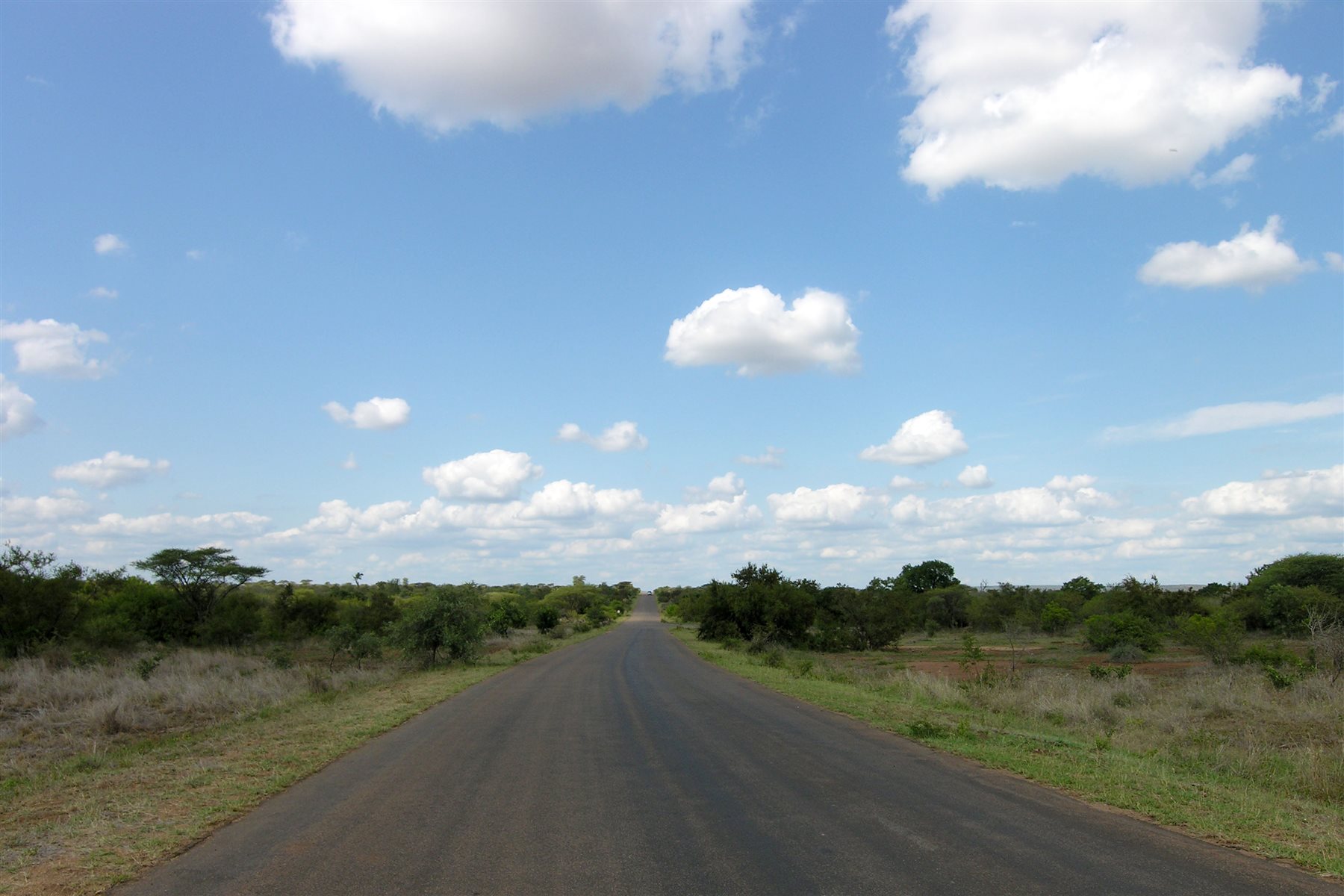
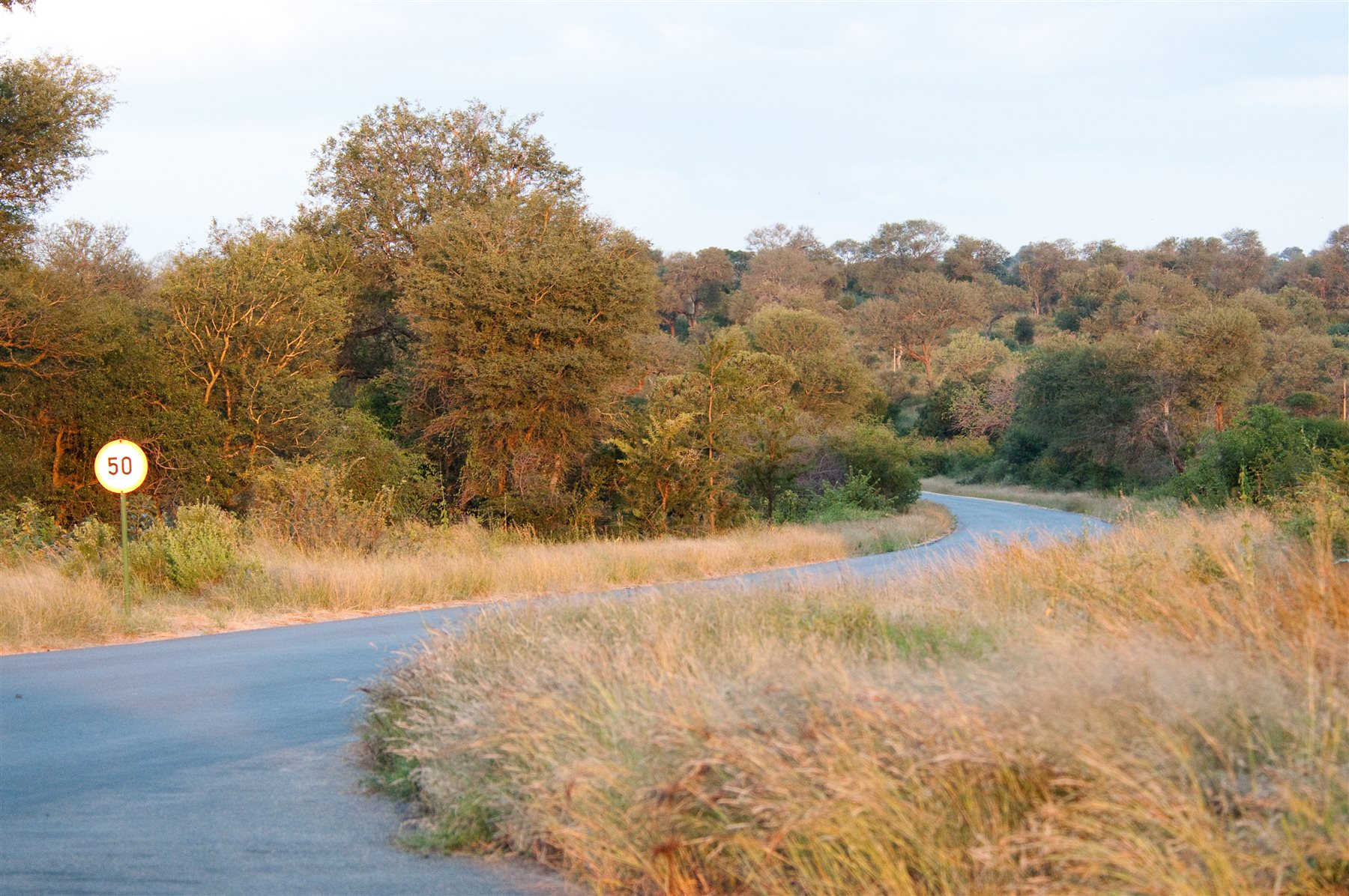
Two things separate a Kruger self-drive day from other parks. First, the road network is the product: sightings happen along it, and the pace is yours — SANParks' material and the park's published Kruger attraction guide both stress choosing a manageable area rather than a long cross-park route. Second, the rules are enforced at the gate: SANParks requires a completed Gate Registration and Indemnity Form handed to the gate official with identification for South African, SADC and international visitors, and every gate has seasonal closing hours that no sighting earns an exemption from.
Guided drives: SANParks and private operators
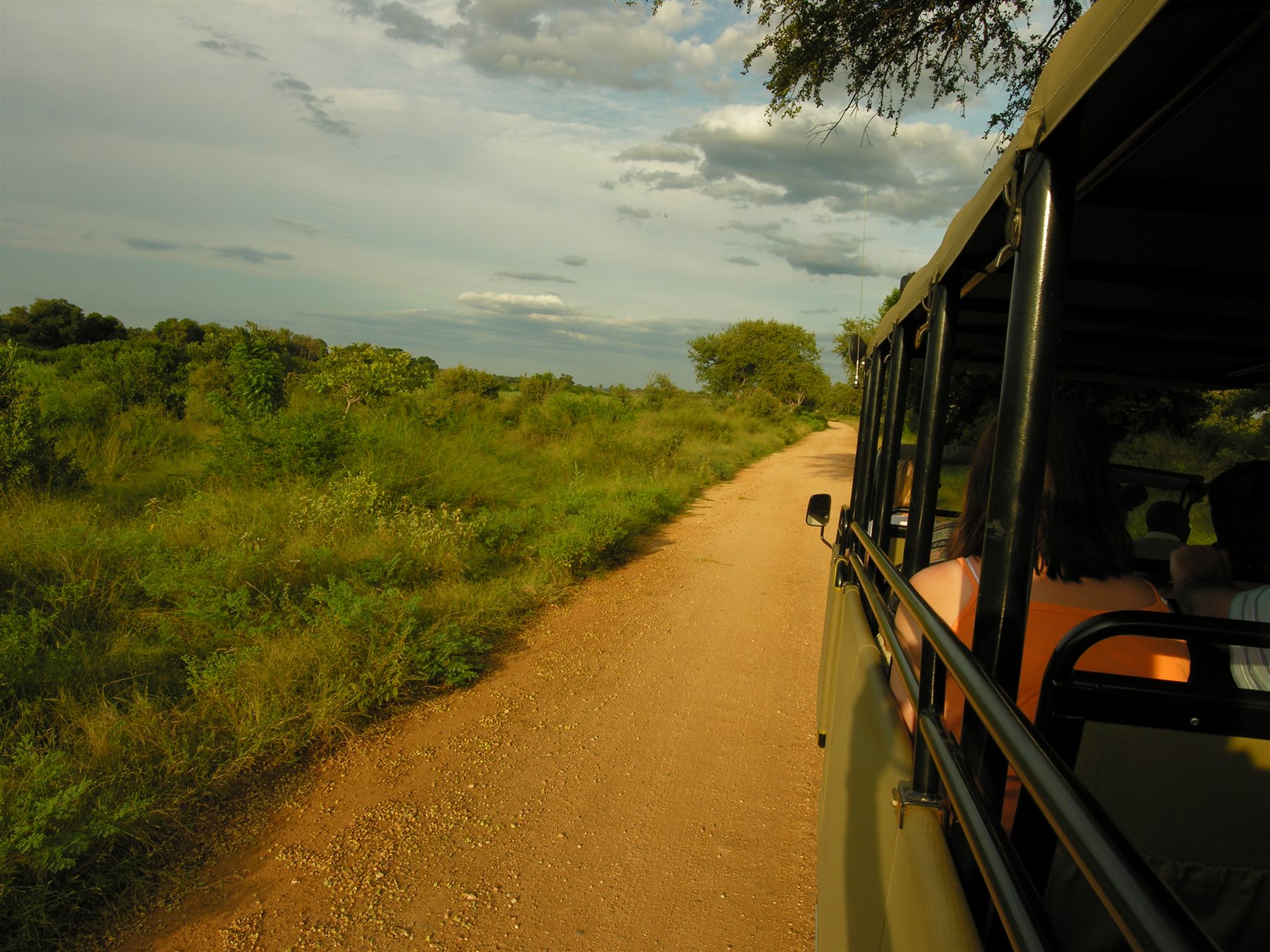
Guided open-vehicle drives are the alternative for travellers without a suitable car or self-drive confidence. SANParks' game-drive activities run from camp areas — its game-drive page describes morning drives leaving about half an hour before official gate opening, running three to three and a half hours — and private operators sell full-day guided drives that collect guests at lodges or park gates. A guided drive moves the navigation, timing and animal-spotting work to a local guide; it does not remove the park rules, conservation fees or gate logistics.
Gates, hours and the day-visitor cap
SANParks' day-visit rules shape every non-resident's drive day. Day visitors are welcome, but the authority caps daily entries, and once that threshold is reached only guests with pre-booked overnight accommodation get in — a situation SANParks says arises mainly on public holidays and long weekends. Advance online bookings for day visits must be paid before the deposit due date, and one-day bookings pay when the booking is made. Gate hours themselves change by month: entrance opens at 05:30 in November, runs 05:30–06:00 across the year, and all gates close between 17:30 and 18:30 depending on the month. A current operational note matters this month: SANParks says the Skukuza Rest Camp Main Gate will be temporarily closed from 2 November to 4 December 2026 for maintenance.
Where to base the day
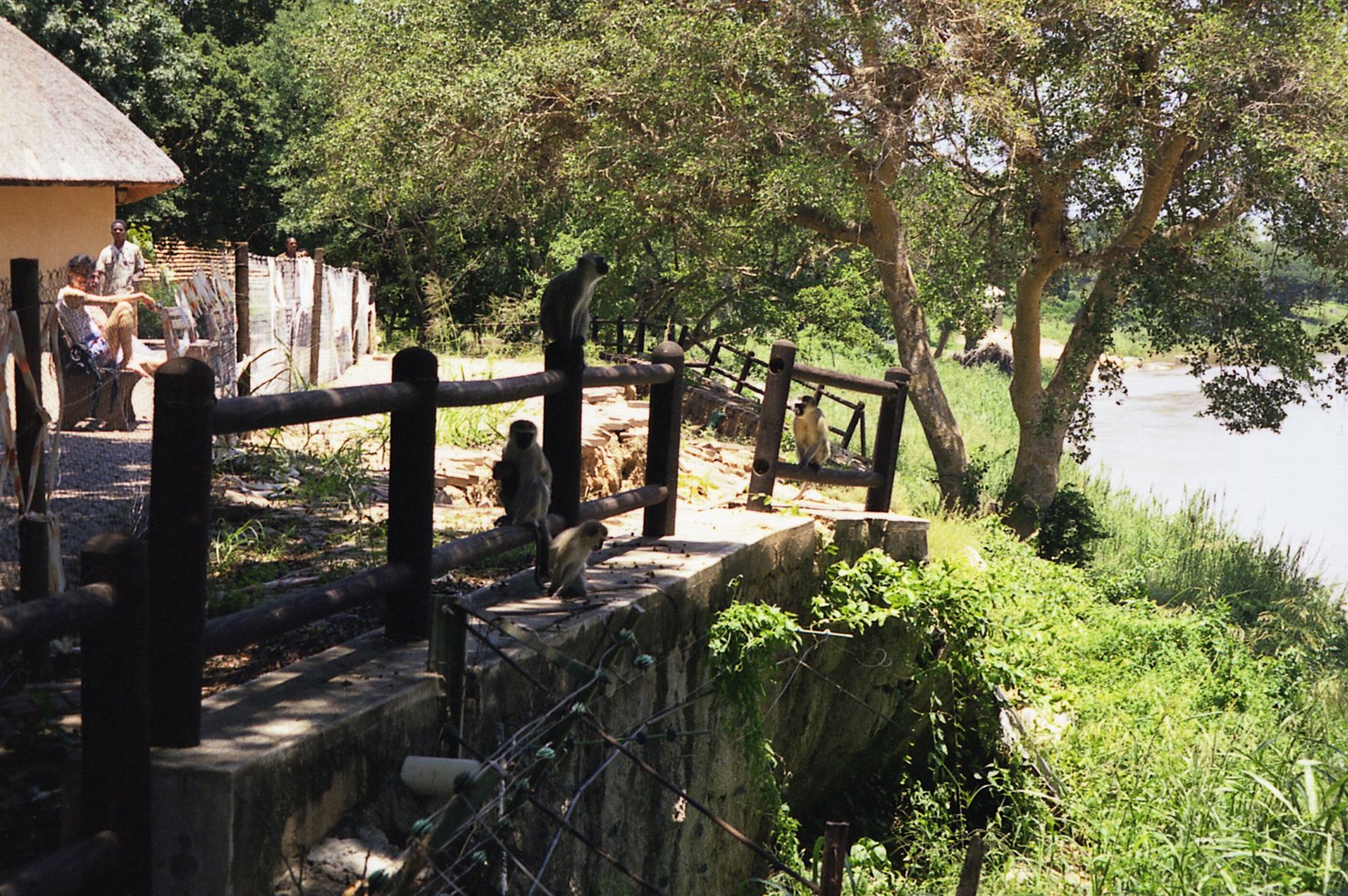
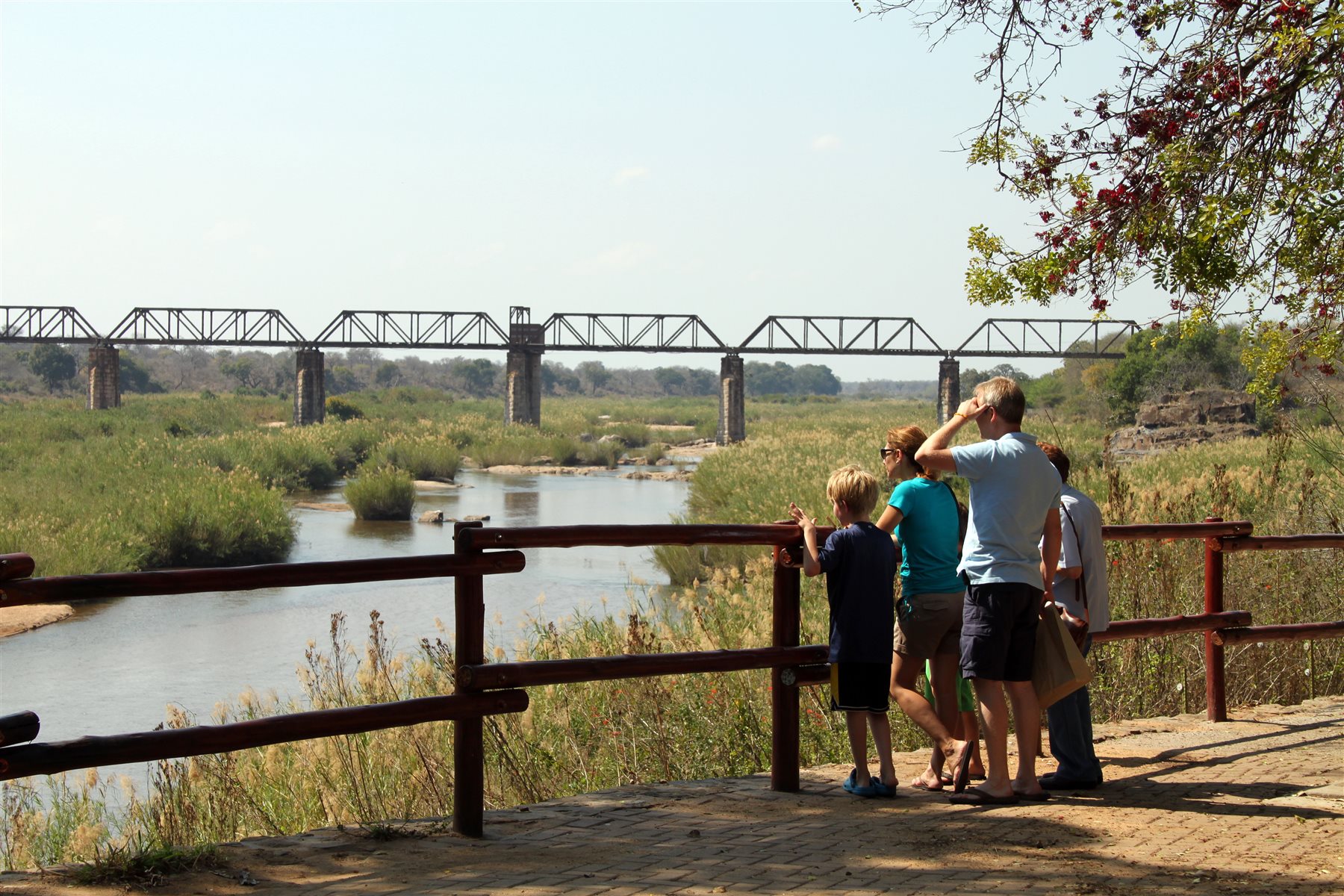
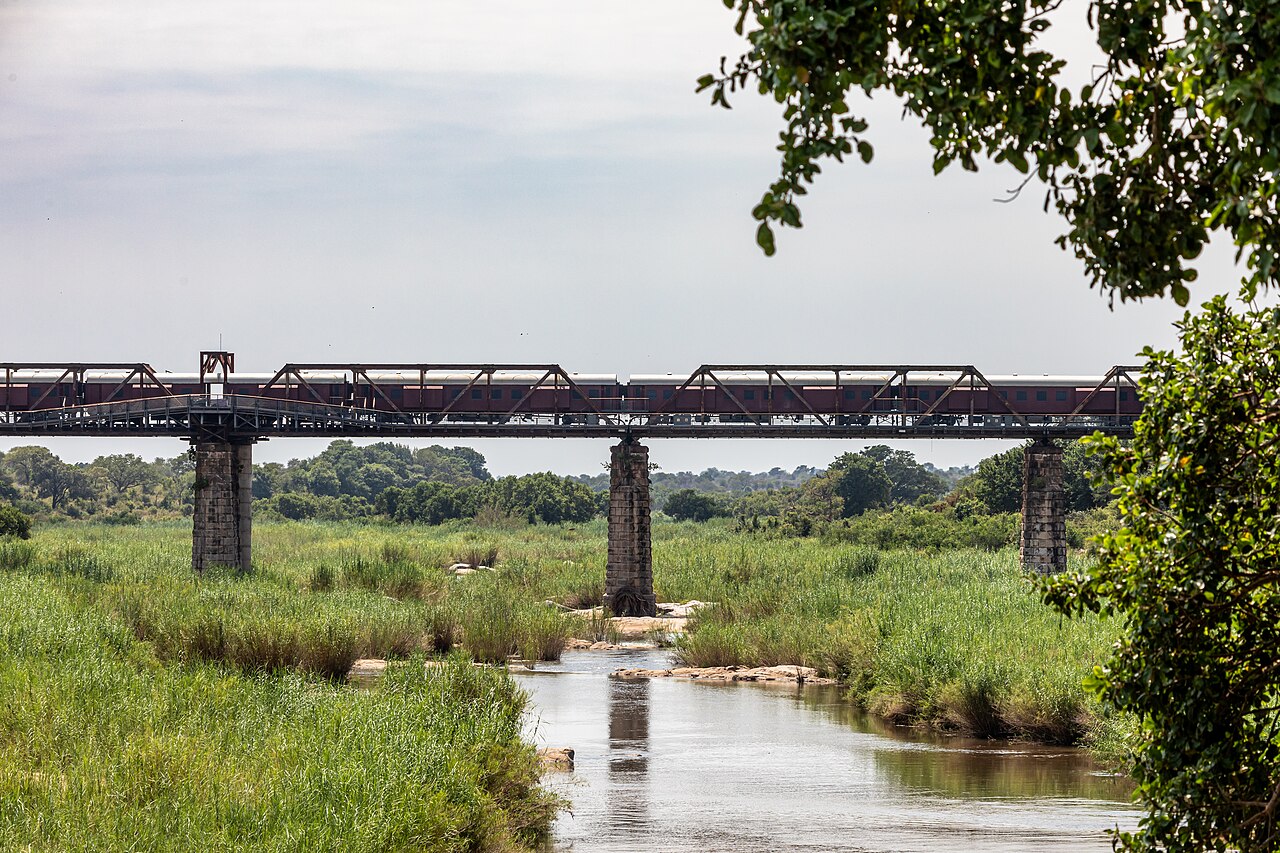
Days work best from a camp inside the park. Main rest camps have dedicated day-visitor areas, and SANParks distributes picnic sites and get-out points through the reserve — Skukuza's riverfront viewing above the Sabie and the Lake Panic area near it are the classic examples. Guests without an overnight booking plan their route from an entrance gate instead. The published Kruger Shalati stay guide covers one way to sleep on the Selati Bridge at Skukuza; camp pricing and availability go through SANParks reservations.
Who a game drive suits
SANParks frames the search around its own lists: the Big Five — buffalo, elephant, leopard, lion and rhino — plus the Little Five, a Birding Big Six and five characteristic trees. Self-drive rewards patience and route discipline; guided drives suit travellers who want the spotting done for them and who are comfortable paying for it. Both end at the same boundary: gate closing time, camp rules and the reality that a public-entry park shares its roads with everyone else who booked that day.