
Research checked 18 October 2026. Neighborhood descriptions are orientation; check the exact address, transport service and entry rules for your own dates and passport.

A Cape Town booking decision often begins with a photograph: a balcony above the city, a promenade, or a beach framed by the Twelve Apostles. The more useful question comes next: what will you do after breakfast, and where will you return in the evening? The City Bowl, Sea Point and the Atlantic Seaboard can each make a good stay, but the city’s outings spread across a large area. Choose a base around the days you most want to repeat, then test the actual routes before committing.
Think of these as three trip rhythms. A central-city stay favors meals, museums and shorter urban explorations. Sea Point combines promenade time with central visits. Camps Bay or another Atlantic Seaboard base puts the coast closer to hand and makes cross-city plans more deliberate. Cape Town Tourism’s area guide is a helpful orientation, though a neighborhood label does not tell you the walk from a particular front door to a stop or pickup. Cape Town Tourism’s neighborhood overview.
City Bowl: make the city your first stop
If your short list is heavy on Bo-Kaap, Company’s Garden, museums, cafés and dinner in town, start by comparing central addresses. This base can make spontaneous city stops easier to arrange and provides a useful launch point for days farther afield. Cape Town Tourism’s Central City guide covers the central area and City Bowl context. Central City orientation.
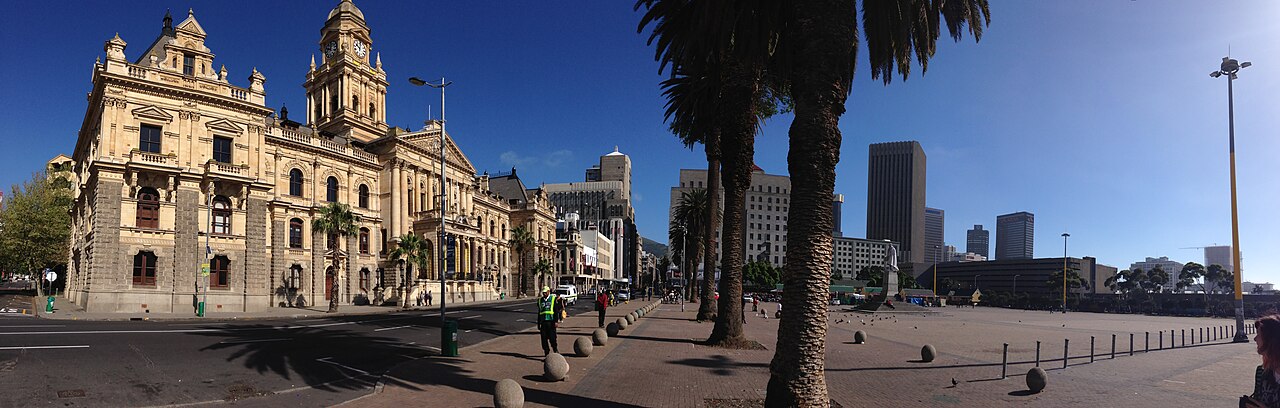
Look at the street and slope around the exact property, not just the City Bowl label. A place that appears close on a map may still involve an uphill walk or a different return route at night. If your itinerary includes several beach afternoons or repeated sunset dinners on the coast, calculate those trips from the address before deciding that central is automatically easiest.
Sea Point: share the week between promenade and town
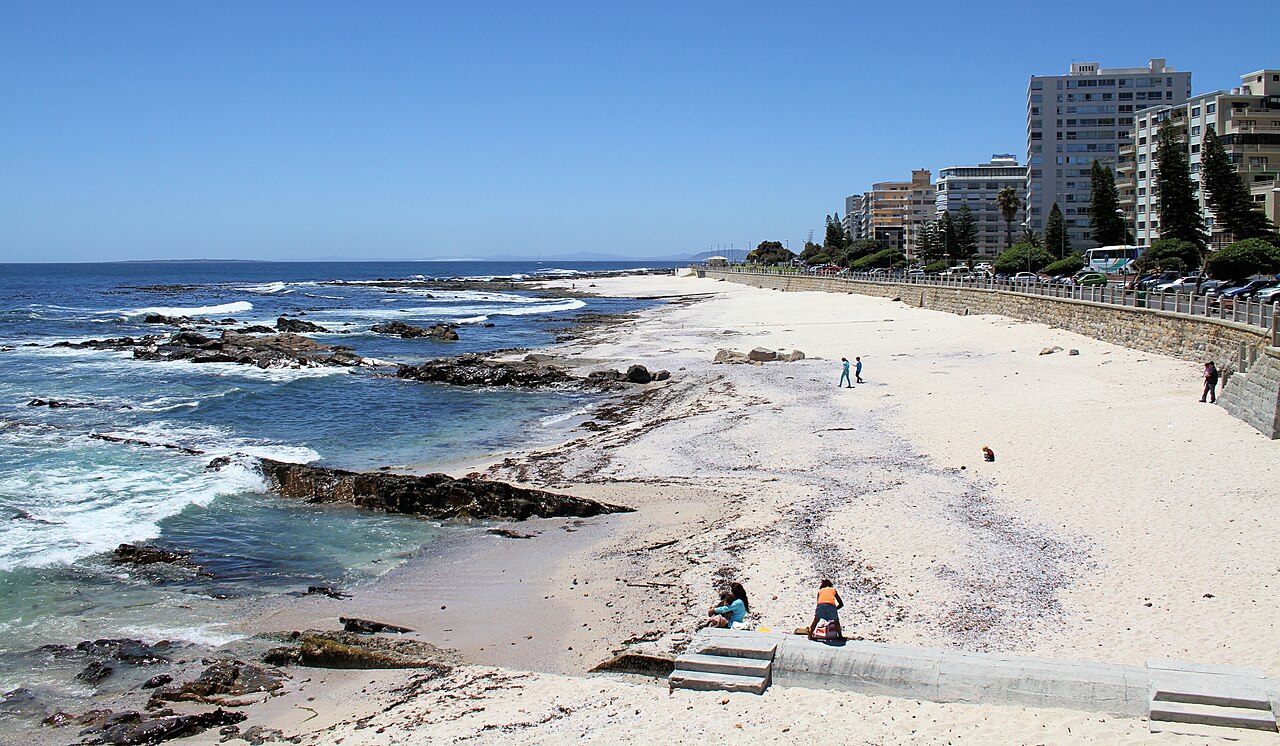
Sea Point makes sense when the promenade is part of the day rather than a single excursion. Cape Town Tourism describes a four-kilometre coastal pathway and nearby cafés and eateries. A plausible day here might begin with time by the water, continue into Green Point or the centre, and return for an evening close to the coast. That is a planning pattern, not a promise about weather or how long a journey takes. Sea Point neighborhood guide.
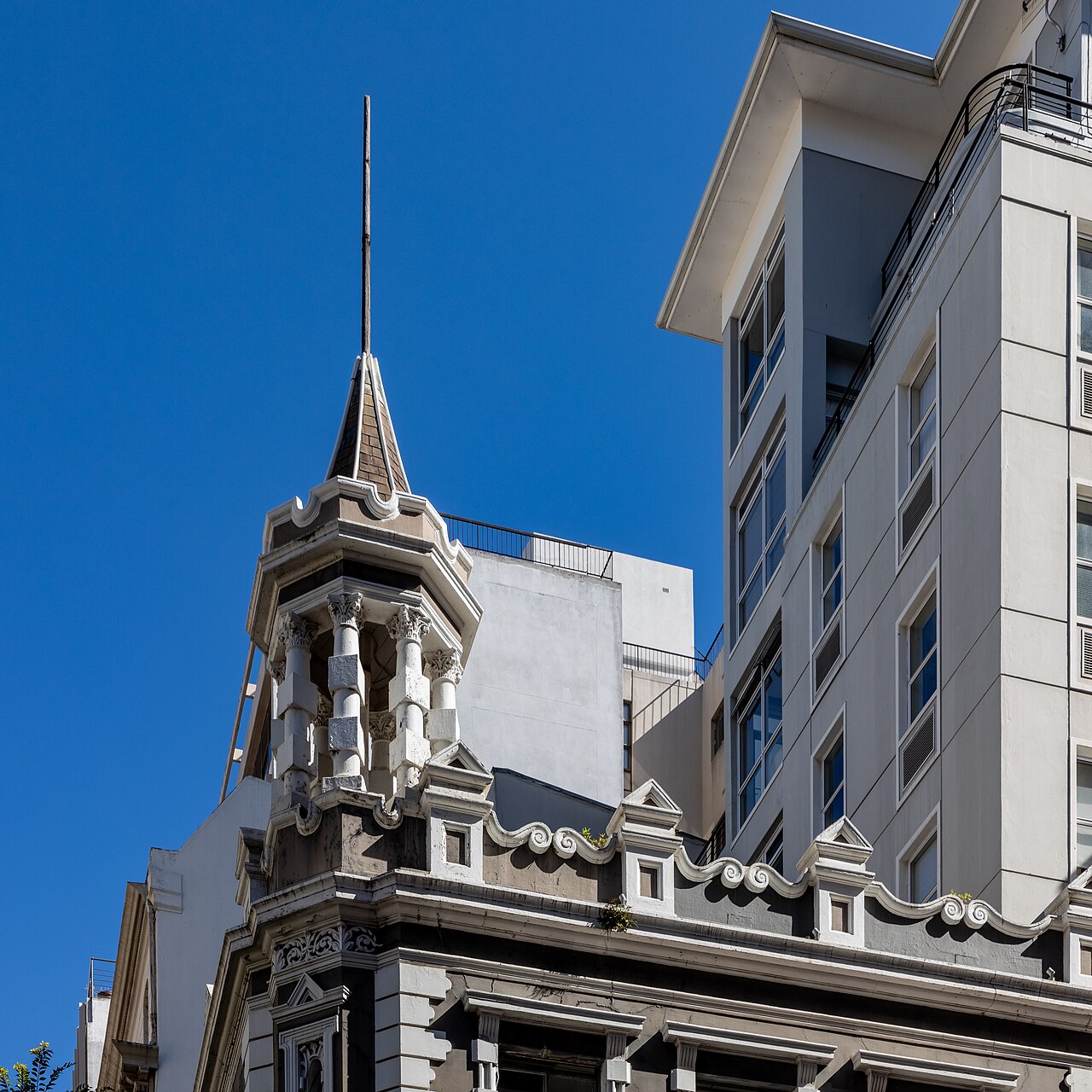
The current MyCiTi route map shows services connecting Sea Point–Fresnaye with Civic Centre and other stops. Check your property and destination against the map, service times and any walking or transfer sections. Sea Point can be a useful middle position for mixed city-and-coast plans, but it does not solve transport for a Cape Peninsula day or a late return from elsewhere. MyCiTi route and stop map.
Atlantic Seaboard: let coastal time lead
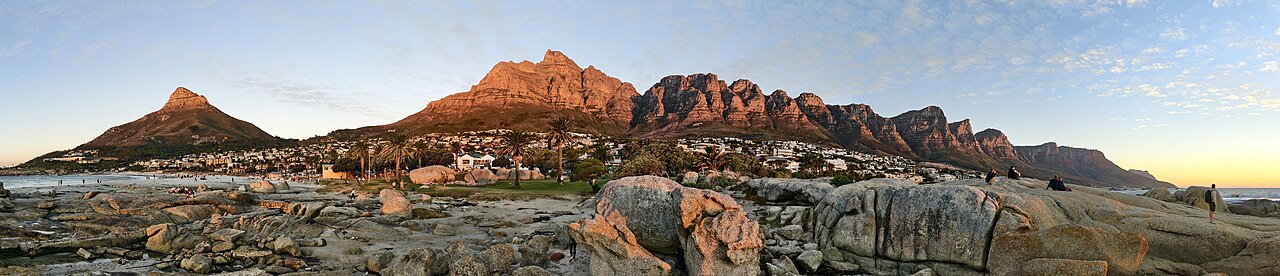
If the coast is the reason for the trip, a Camps Bay or other Atlantic Seaboard address can make local beach time, tidal pools and seaside meals easier to build into the day. Cape Town Tourism groups several distinct neighborhoods along this arc; Camps Bay has its own beach and restaurant cluster. Consider this base when the coastline is a repeated plan, not merely the view you hope to admire from the room. Atlantic Seaboard overview; Camps Bay neighborhood guide.
The trade-off is that central appointments and cross-peninsula outings need their own transport plan. MyCiTi’s route map lists Camps Bay services toward Civic Centre, but the route name does not prove that the stop suits your address or that the service fits your return. Compare the actual stop, timetable and alternative transport for the days that matter. Cape Town Tourism’s transport overview describes the city’s options; choose based on your route and comfort, not a generalized claim that one mode is always best. Cape Town transport overview.
Sketch the days before selecting the address
Put your likely outings into a simple sequence: one city day, one mountain window, one coast or peninsula day, and any airport or Winelands transfer. Group stops that point in the same direction and leave room to swap the mountain visit if weather or cableway operations change. If the mountain is central to your plans, our Table Mountain weather and route guide explains why a backup slot matters.

Now compare two or three real accommodation addresses. For each, check the first stop, pickup location, public transport and end-of-day return on the days you care about most. If renting a car, consider parking and which days you would actually drive. Ask the property about the facilities and terms that matter to you, and compare cancellation windows as well as room price. This method helps identify the right fit; it does not predict traffic or guarantee a service.
Choose the trade-off that matches your pace
- City Bowl: choose it when central sights, restaurants and flexible urban days dominate; allow extra planning for repeated coastal outings.
- Sea Point: choose it when you want promenade time alongside regular city visits; verify the specific route from the door.
- Atlantic Seaboard: choose it when beach and coast time lead the trip; plan central and peninsula days separately.
For a short stay, fewer long transfers may matter more than having every possible outing nearby. For a slower visit, the pleasure of returning to the part of town you enjoy can outweigh the extra ride to a museum or appointment. There is no universal best base: match your strongest priorities, mobility needs, budget and tolerance for arranging transport.
What to bring for a city-and-coast itinerary
Pack comfortable shoes suited to the walks and hills on your actual plan, a light layer for changing coastal conditions, sun protection and a small day bag for water and essentials. If you intend to hike, pack separately for that route and use current park advice; the city outfit is not hiking equipment. Keep a charged phone and offline copies of your accommodation address and pickup details, especially if your itinerary crosses neighborhoods or uses a prearranged transfer.
Questions travelers ask
Which neighborhood is best for a first visit?
There is no single answer. Start with the outings you expect to repeat: central sights point toward the City Bowl, promenade-and-city days toward Sea Point, and regular beach time toward the Atlantic Seaboard.
Can I visit the Cape Peninsula from any of these areas?
Yes, but the journey and pickup arrangement depend on your precise address and transport choice. Confirm the operator’s pickup point and return plan rather than assuming an entire neighborhood is included.
Should I rent a car?
Decide from the days you have planned. Compare parking, pickup locations and transit or transfer alternatives for those specific journeys; a city stay does not automatically require a car, and no one transport choice suits every itinerary.
How should I plan a Table Mountain visit?
Keep it flexible and check the live operator status and park notices. Weather can affect the cableway and hiking plans differently; use the detailed mountain planning guide before choosing between them.
South Africa entry checks
Visa requirements depend on nationality, purpose and duration; some passport holders are visa-exempt. Before booking, check the South African Government visa guidance and the Department of Home Affairs’ current rules for your passport. Transit can also affect health-document requirements: South Africa’s Department of Health says travelers over one arriving from a yellow-fever risk country need a valid certificate, so verify the full itinerary and current official health protocol.
Where to stay for this kind of trip
Never@home is the budget hostel choice, with shared dorms as well as private rooms; confirm the room type suits your trip. Cape Town Hollow and SunSquare offer comfortable City Bowl hotel stays, while President and The Bay suit travelers prioritising the Atlantic Seaboard. Mount Nelson is the luxury option. Rates vary by date, room and cancellation terms, so compare your actual stay dates before choosing.
- Cape Town Hollow Boutique Hotel — Value-leaning City Bowl option by the Company’s Garden, with a pool and on-site restaurant; its exact address is in Gardens. Check dates and rates.
- SunSquare Cape Town City Bowl — City-centre standard and family rooms positioned by the operator as affordable; useful for central plans, with secure parking listed. Check dates and rates.
- President Hotel — Bantry Bay address beside the Sea Point Promenade, for a coast-and-city mix; confirm routes from this exact address. Check dates and rates.
- The Bay Hotel — Camps Bay beachfront location and multiple pools make the coast the main event; plan separate transport for central-city days. Check dates and rates.
- never@home Green Point — Budget hostel with shared dorms and private-room choices, at 107 Main Road in Green Point; a practical fit for travelers comfortable with a social hostel, with the Waterfront and stadium district nearby. Check dates and rates.
- Mount Nelson, A Belmond Hotel — Luxury Gardens base with extensive on-site facilities; a central address for city plans, with separate transport for the lower cable station. Check dates and rates.
For this itinerary, location labels are only a starting point: check the full address and plan the transfer to your actual departure point. See our Cape Town base-by-outings guide for the neighborhood trade-offs.
Continue planning
For a wider orientation, see our Cape Town local guide and Cape Town attraction guide. The Mount Nelson guide covers one central property already in our collection; compare its exact location with your own day plan. Our Cape Town before-or-after-safari insight addresses a different decision: where the city fits into a longer itinerary.