
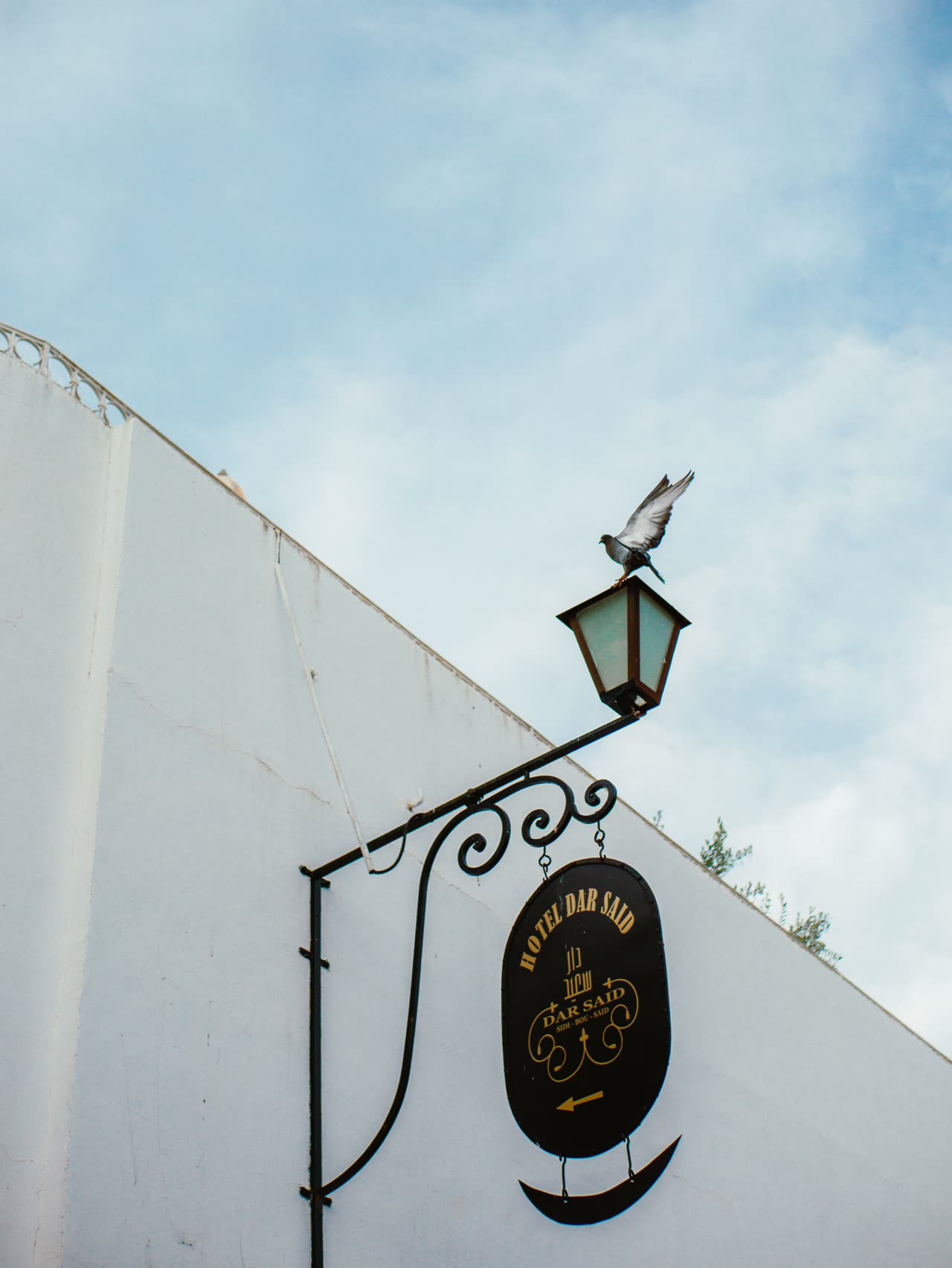
Dar Saïd · Sidi Bou Saïd, Tunisia, Tunisia
Dar Saïd
A courtyard hotel overlooking Sidi Bou Saïd and the Mediterranean.
Tunis And Sidi Bou Said · Tunisia
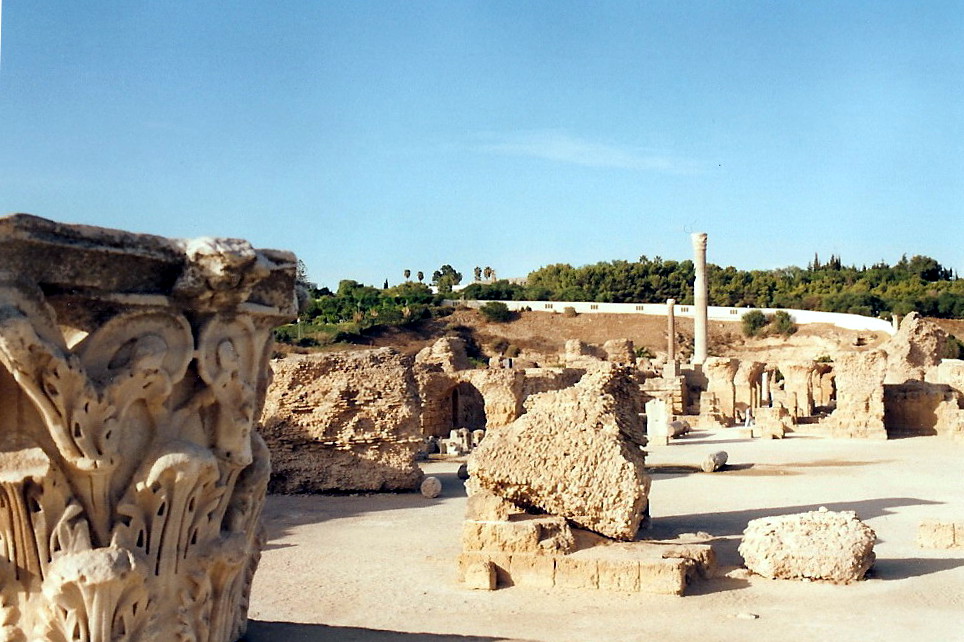
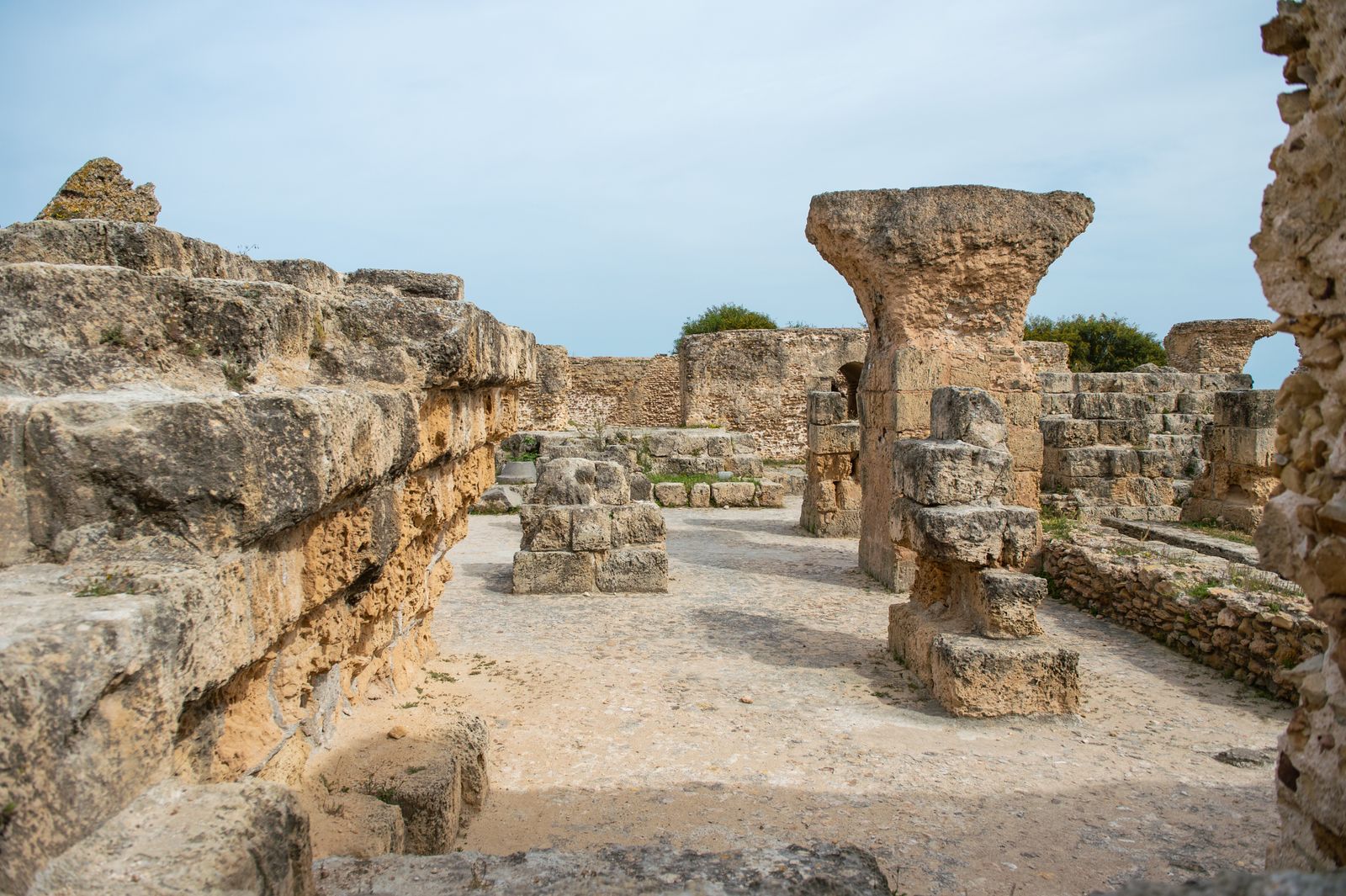
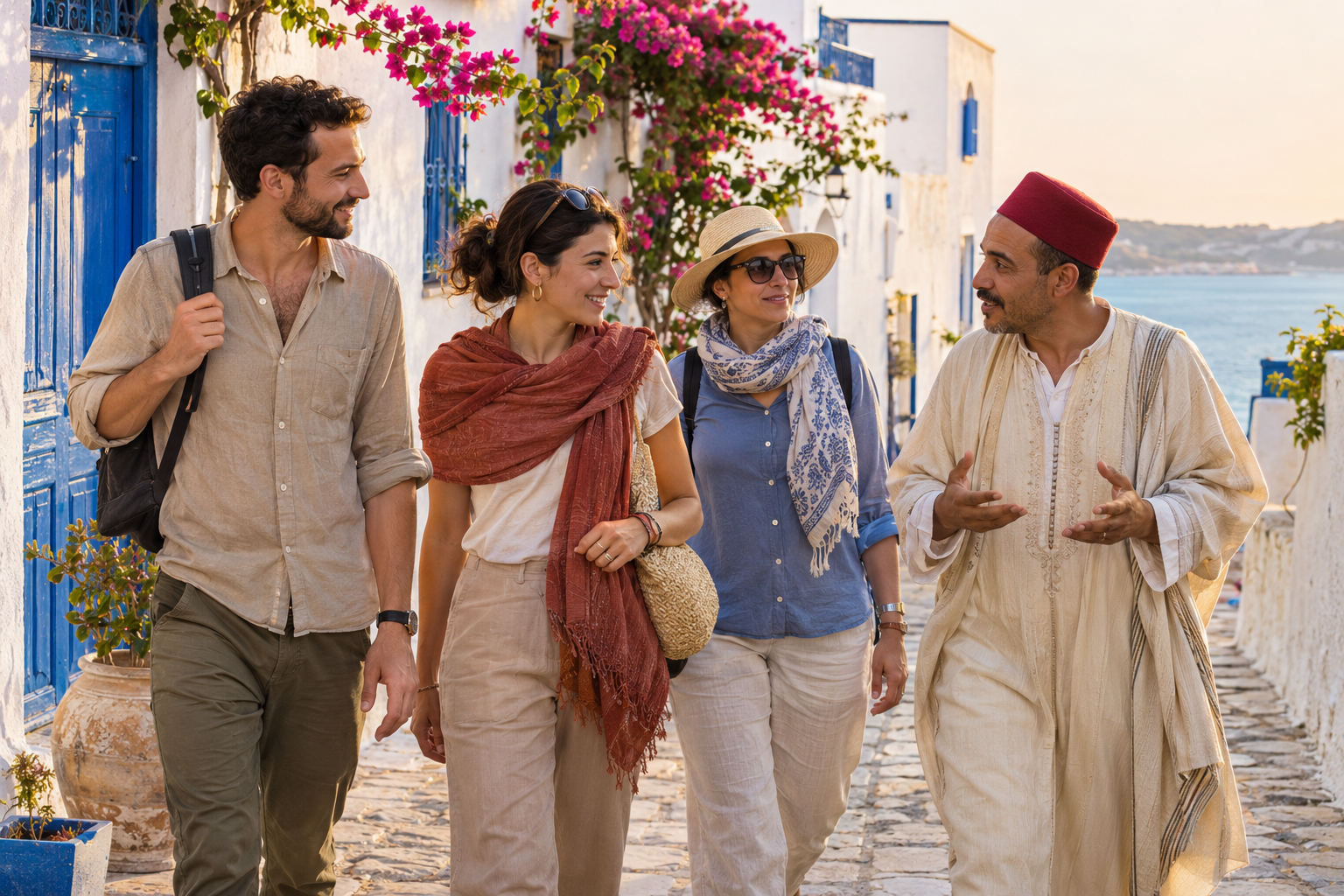
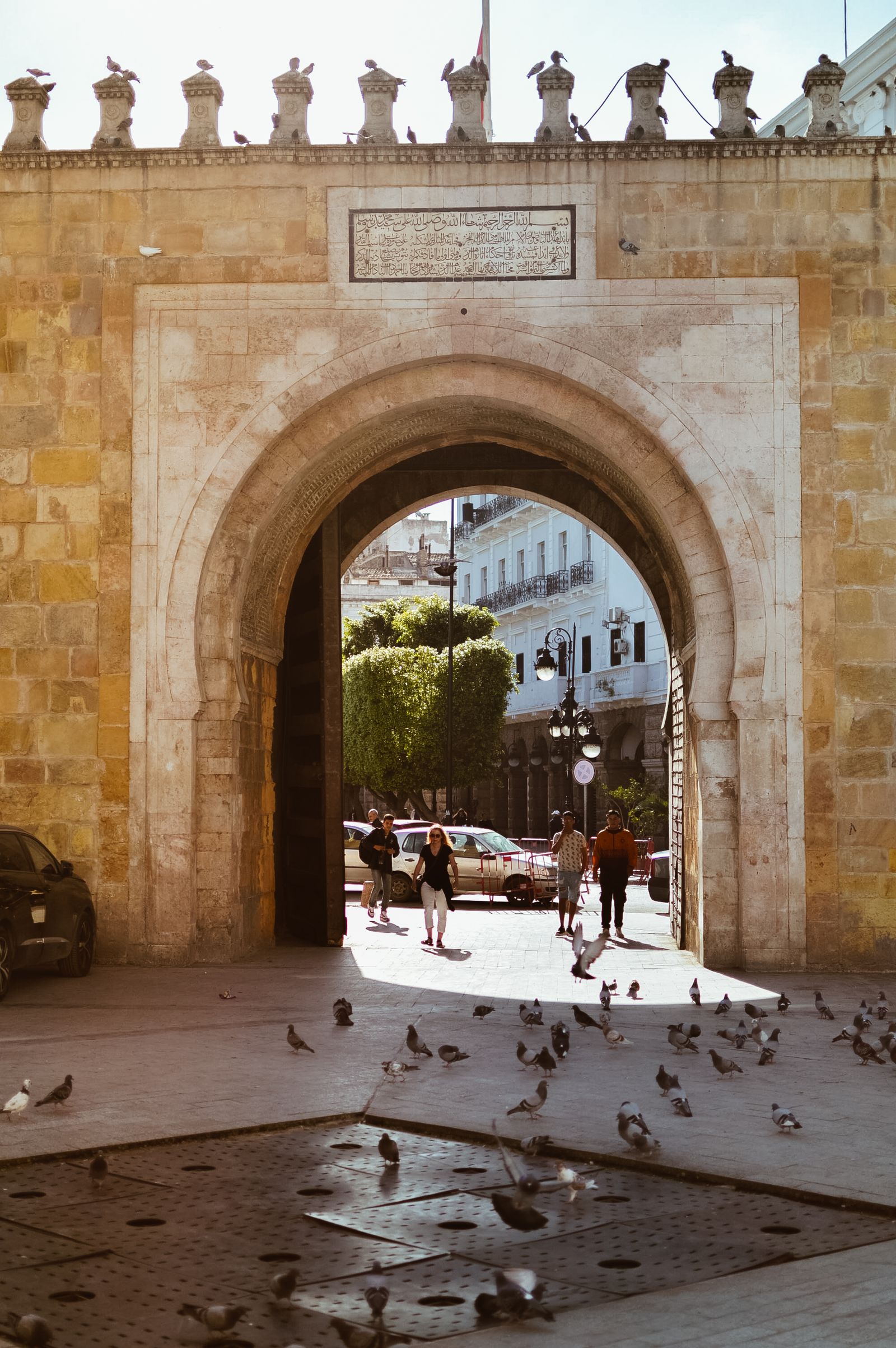
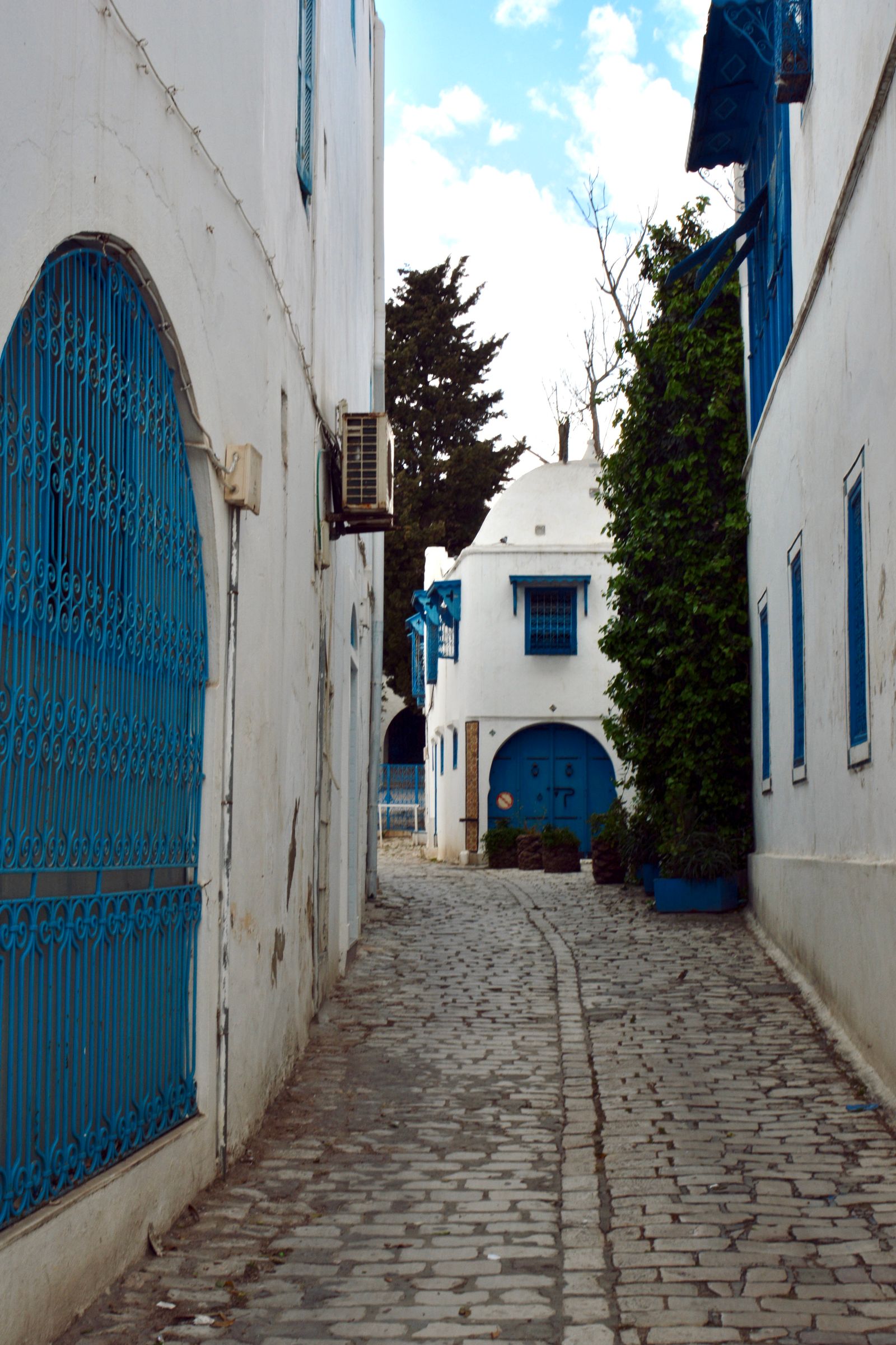
Walk the Roman Antonine Baths, the Punic Magon Quarter and the blue-and-white lanes of Sidi Bou Said with a guide. Use the TGM coastal railway to link sites, confirm the grouped ticket and opening hours, and allow separate time for the medina if staying in central Tunis.
Tunis, Carthage and Sidi Bou Said make a rewarding walking combination because their experiences are distinct but can be linked within one regional stay. Historic-city exploration, archaeological interpretation and a hillside coastal village call for different rhythms. Rather than turning them into a rapid photo circuit, allow time to understand each setting and to move between the separate sites. The choice of base also shapes the day: a coast-oriented stay serves a different daily pattern from a central Tunis base. This guide covers how the walking outing usually runs, what to confirm before you pay, and how to use the TGM suburban railway between them.
The standard shape is a guided day that pairs two Carthage stops with a Sidi Bou Said walk. Begin at the Antonine Baths, the large Roman bath complex on Carthage's waterfront, then arrange a separate transfer to the Magon Quarter. The contrast makes the broad archaeological landscape more legible: one stop focuses on Roman public architecture; the other preserves a Punic residential quarter with houses and streets that offer a different view of life in ancient Carthage. After Carthage, take the TGM coastal railway from Tunis Marine toward La Marsa and alight for Sidi Bou Said village. Climb the narrow paved streets between blue mashrabiya latticework, pink bougainvillea and wrought iron filigree, pause at a café terrace for the Gulf of Tunis view, and return via the TGM. This is a practical sample, not a claim to cover every monument.
The Antonine Baths are a large Roman bath complex on Carthage's coast. They represent the public, monumental face of Roman Carthage. A guide can explain the architectural layout, the hypocaust system, and the relationship between the baths and the sea. Confirm current opening hours and whether the site is accessible on your date; posted hours vary by season and Ramadan.
The Magon Quarter preserves Carthaginian domestic architecture created when the Magonids ruled Carthage. It is a residential area built from the 5th century BCE onwards on top of older landfills. The first dwellings were modest, about thirty metres from the rampart built along the shore. The quarter underwent profound redevelopment from the early 2nd century BCE onwards, with large magnificently decorated houses — some exceeding 1,000 square metres, up to 1,500 square metres — built from the combination of older smaller houses. Houses had underground cisterns, vaulted soakaways, stucco-covered columns and pilasters, painted walls, and Punic mosaics (pavimenta punica). All houses are accessed through a narrow corridor leading to a courtyard surrounded by porticoes. Streets were not paved and had no drains. This is the quiet, domestic counterpoint to the Antonine Baths' public grandeur.
Sidi Bou Said is an elegant village where blue-and-white houses climb the hillside facing the sea. The walk is through narrow paved streets between blue mashrabiya latticework, pink bougainvillea and wrought iron filigree. Pause at the Sidi Chabaane café terrace for the Gulf of Tunis seascape, visit the lighthouse or the old cemetery, and allow time for a slower pace. The village is also home to residents; ask before photographing people or private rooms, follow the guide's lead about shoes and seating in hosted settings, and keep voices considerate near homes.
The TGM (Tunis-Goulette-Marsa) suburban railway connects Tunis Marine station in central Tunis with the coastal suburbs including La Marsa. For this outing, take the TGM from Tunis Marine toward La Marsa and alight for Sidi Bou Said. TRANSTU confirms Tunis Marine and La Marsa as TGM stations; a winter 2026-2027 timetable exists. TGM tickets are a separate fare category from bus and metro. Confirm the current timetable and ticket before travel; do not assume a continuous walk between Carthage and Sidi Bou Said — the TGM is the practical link.
The heritage agency lists a grouped ticket for the Antonine Baths and Magon Quarter. Confirm at the first ticket office whether the current ticket covers both places and whether either site has an access restriction that day. Posted hours vary by season and Ramadan; check the current schedule before setting out. Start during the cooler part of the day, carry water, and leave Sidi Bou Said as a slower separate stop if heat, transfers or walking make the archaeological visit feel full. The verified GetYourGuide product (t553079, Didon Tours) offers a private day trip through Tunis, Carthage and Sidi Bou Said; confirm the exact museums and entrance tickets included in your option before paying.
This outing suits travelers comfortable with walking on uneven archaeological ground, paved village lanes with gradients, and a railway transfer between zones. It is less suitable for anyone who finds prolonged standing, steps, heat or exposed coastal walking difficult. Discuss mobility needs with your guide before booking; the Magon Quarter streets were not paved and the Antonine Baths have uneven surfaces. A private vehicle can reduce walking between Carthage sites but does not replace the TGM link to Sidi Bou Said.
Stay on authorized paths at both archaeological sites. Follow staff directions at the Antonine Baths and Magon Quarter. In Sidi Bou Said, keep to public lanes, ask before photographing residents or private rooms, and respect the village's residential character. Carry your litter away from the archaeological sites. Confirm current photography rules at each site; some areas may restrict flash or tripod use.
Choose dates and daily start times that make walking comfortable. Exposed archaeological areas and hillside village streets can feel quite different from a shaded city stop. Check current opening arrangements for specific museums or monuments and keep the Sidi Bou Said visit flexible if weather is poor. Posted hours at the Antonine Baths and Magon Quarter vary by season and Ramadan; the heritage agency advises checking the current schedule before setting out. The TGM runs a winter 2026-2027 timetable; confirm the current timetable via TRANSTU for your travel dates. An earlier start suits the archaeological sites before midday heat; leave the village for a slower afternoon pace.
Entry formalities: check the UK FCDO Tunisia entry requirements for your nationality and visit purpose. Visa-free for up to 90 days for many nationalities; passport valid for duration of stay; evidence of return/onward travel may be required.
Dar Saïd · Sidi Bou Saïd, Tunisia, Tunisia
A courtyard hotel overlooking Sidi Bou Saïd and the Mediterranean.