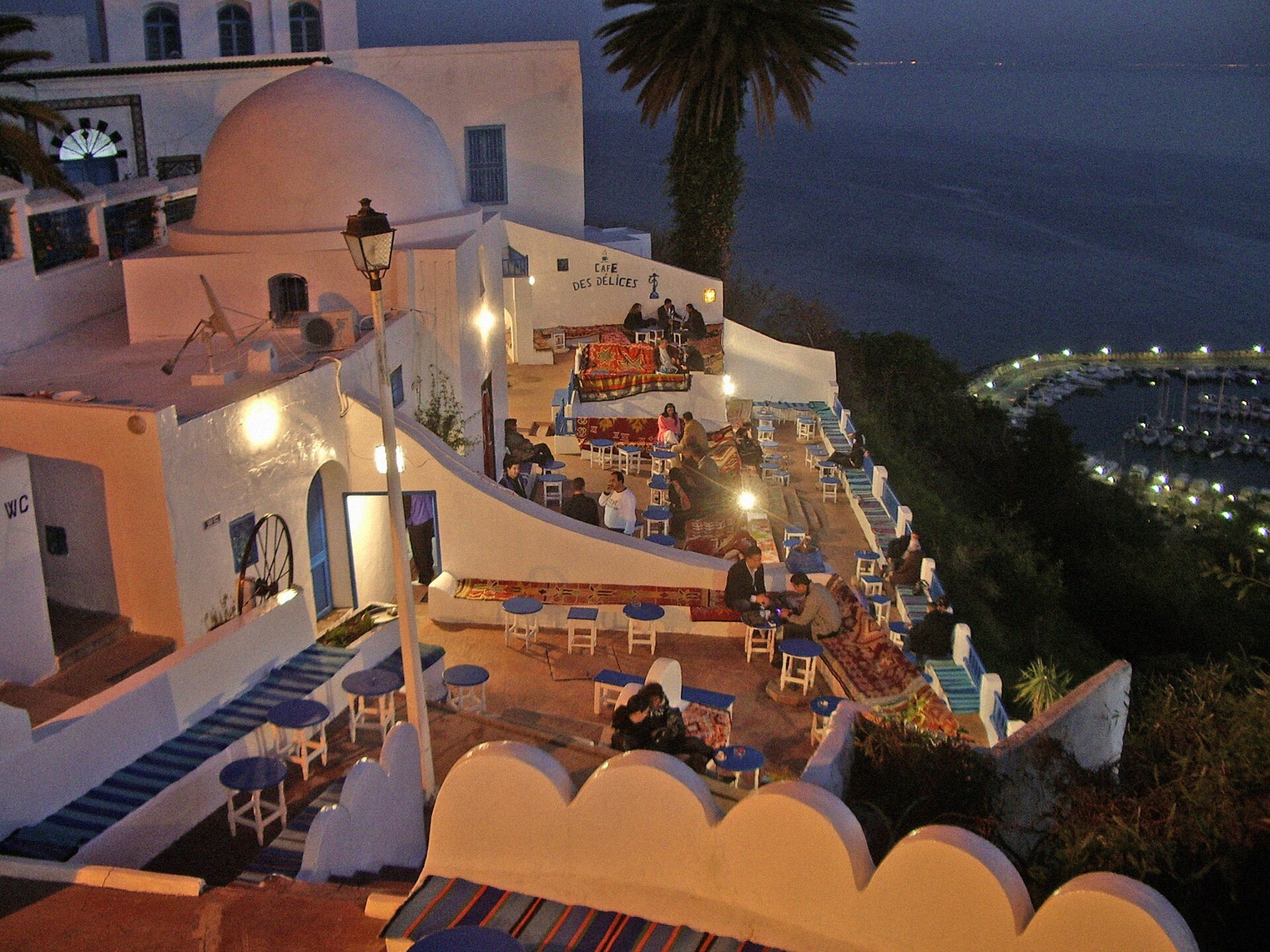
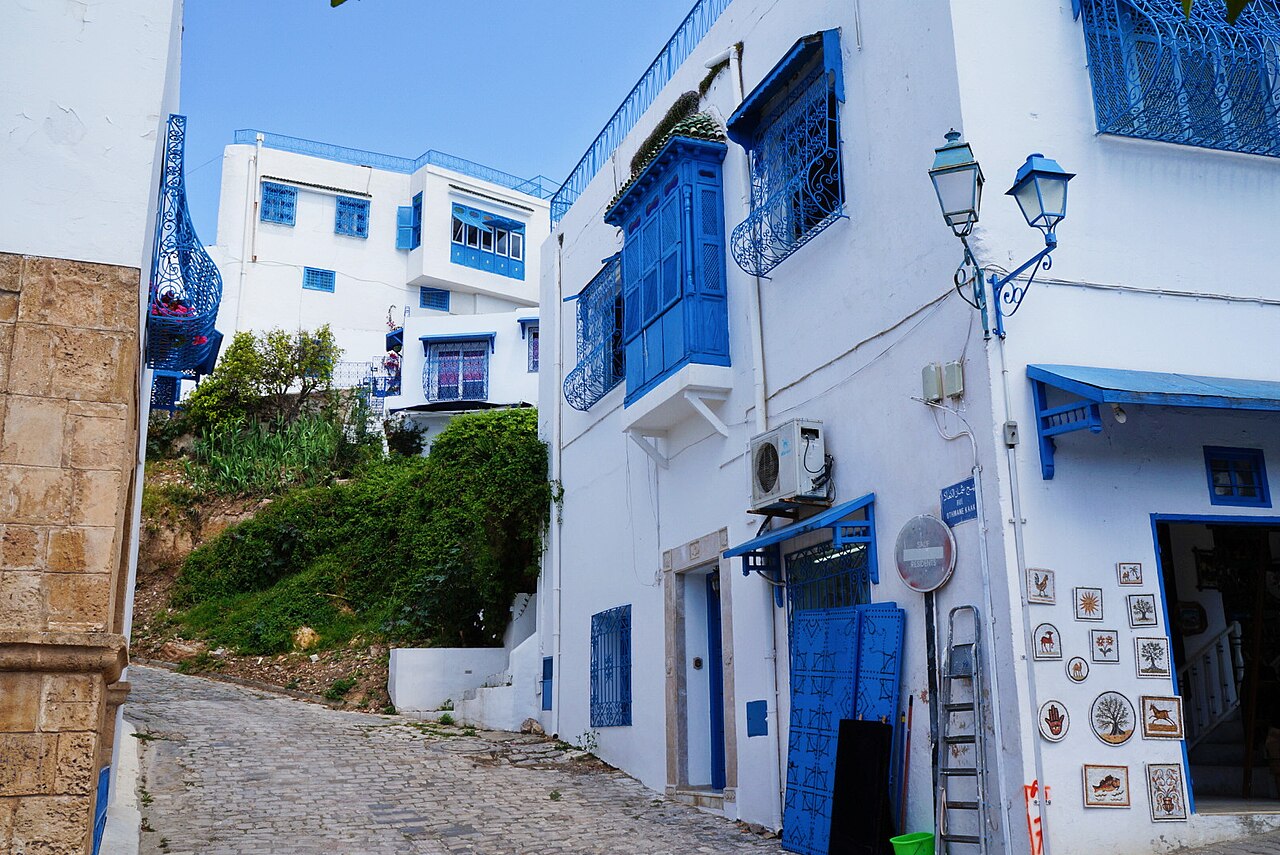
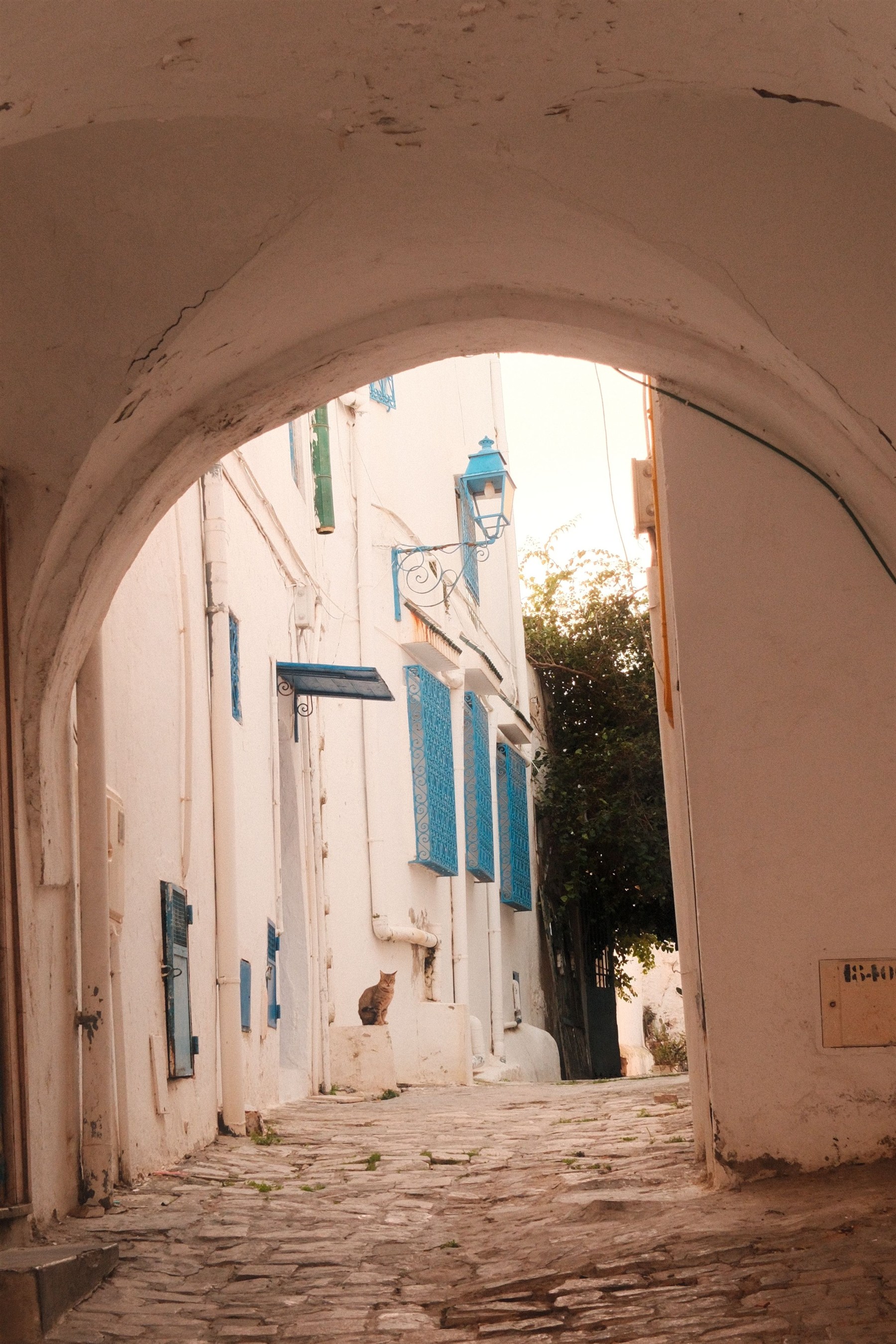
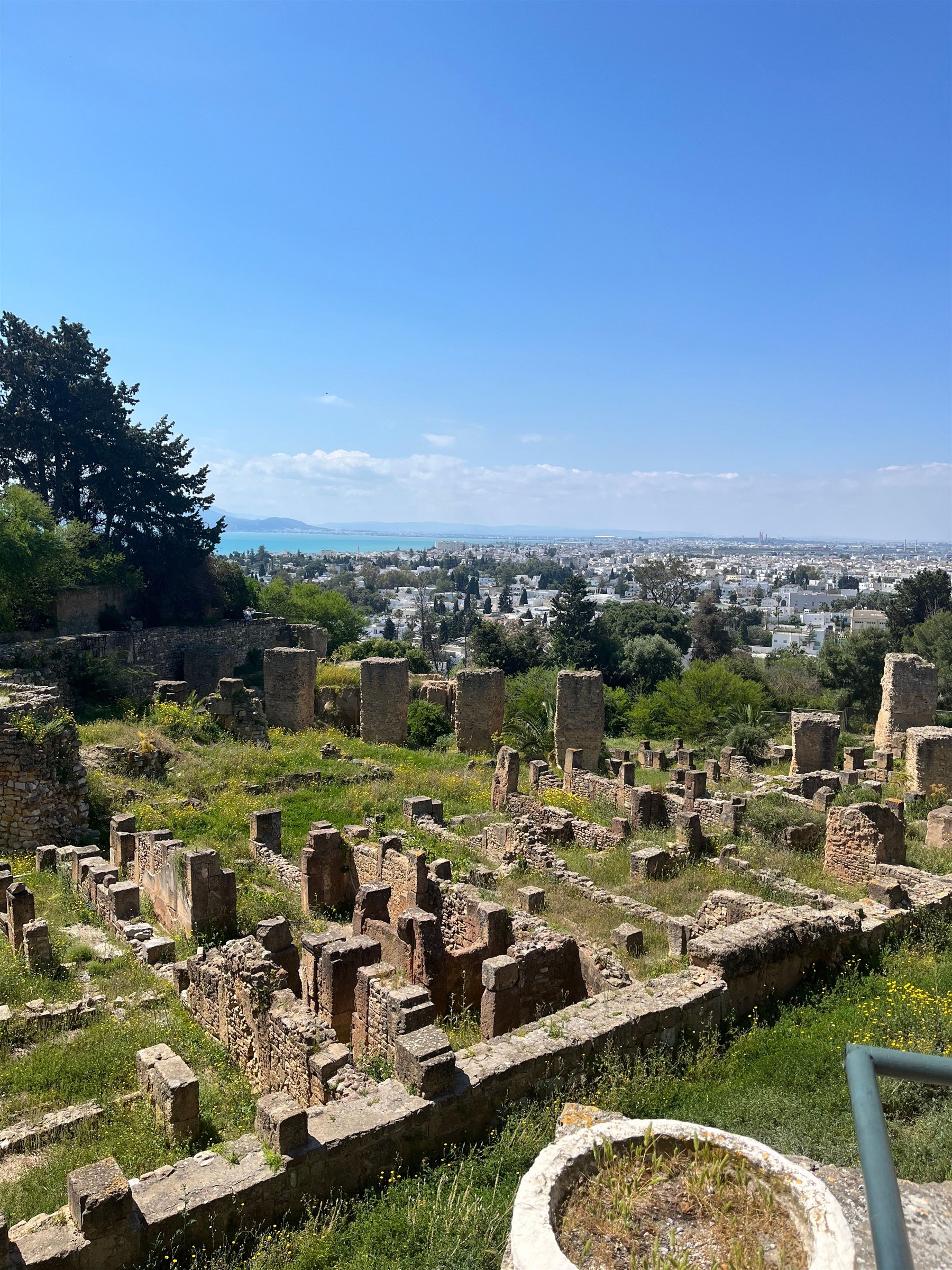
Tunisia's tourism board describes Carthage as an archaeological landscape embedded in a modern residential area, with remains distributed across more than one location. Sidi Bou Said adds hillside streets, blue-and-white architecture and views over the bay. Their proximity does not mean that every site is comfortably covered on foot in one short visit.
Our suggested plan separates a central Tunis day from a Carthage and Sidi Bou Said day. In Carthage, choose a guide or route that explains the relationship between the sites rather than only stopping at viewpoints. In Sidi Bou Said, leave time for walking and a pause, while remembering that the village is also home to residents. Visitors with limited mobility should ask about gradients and steps before booking a walking itinerary.
A focused two-stop Carthage visit
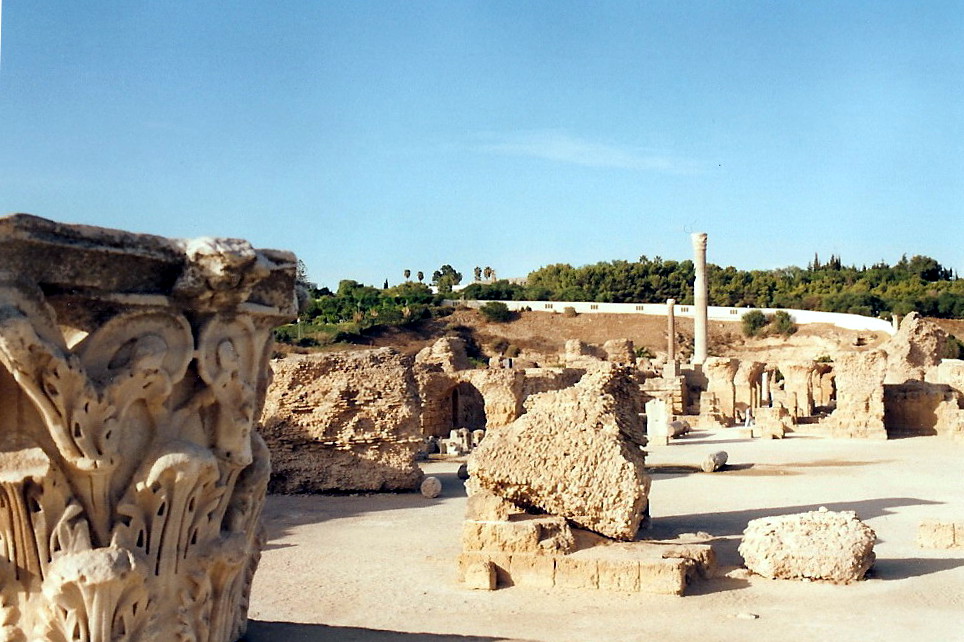
For a shorter archaeological visit, pair the Antonine Baths with the Magon Quarter. Begin at the baths, the large Roman complex on Carthage’s waterfront, then arrange a separate transfer to the Magon Quarter. The contrast helps make a broad archaeological landscape more legible: one stop focuses on Roman public architecture; the other preserves a Punic residential quarter, with houses and streets that offer a different view of life in ancient Carthage. This is a practical sample, not a claim to cover every monument.
Treat the stops as separate places in a modern town rather than assuming a continuous walk. The heritage agency lists a grouped ticket, but confirm at the first ticket office whether the current ticket covers both places and whether either site has an access restriction that day. Posted hours vary by season and Ramadan, so check the current schedule before setting out. Start during the cooler part of the day, carry water, and leave Sidi Bou Said as a slower separate stop if heat, transfers or walking make the archaeological visit feel full.