


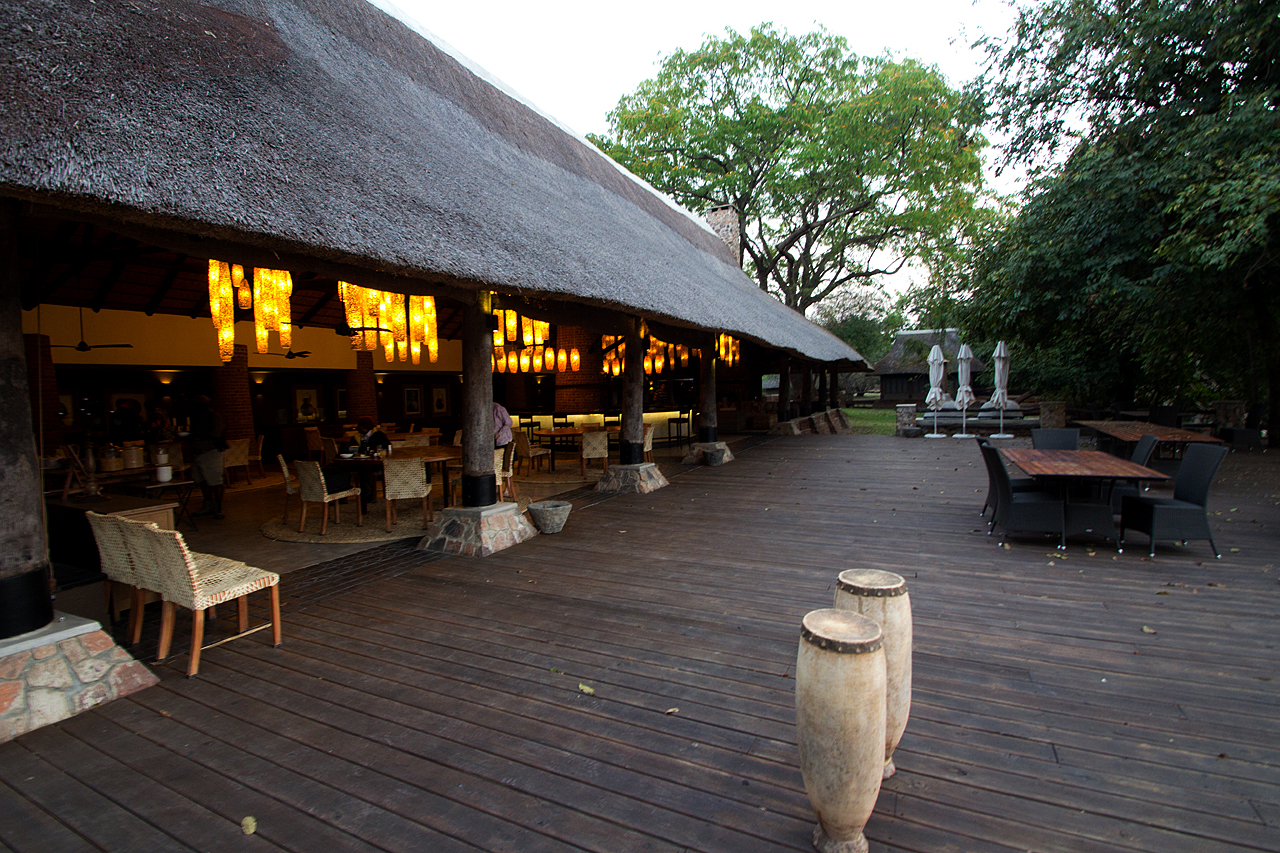
Mfuwe Lodge · South Luangwa National Park, Zambia, Zambia
Mfuwe Lodge
A lagoon-side lodge just inside South Luangwa, with chalets, a pool and spa.
South Luangwa · Zambia, Zambia
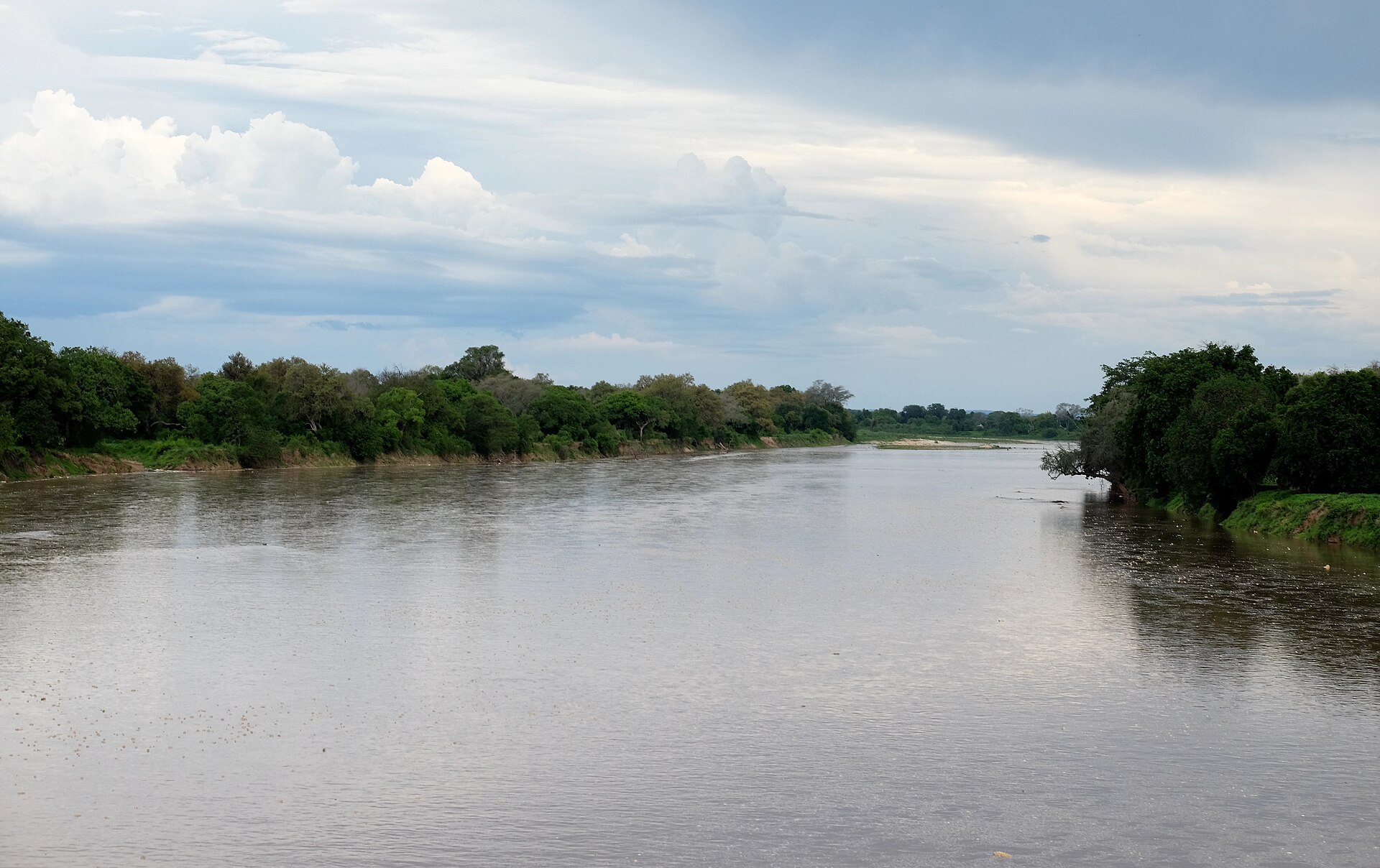
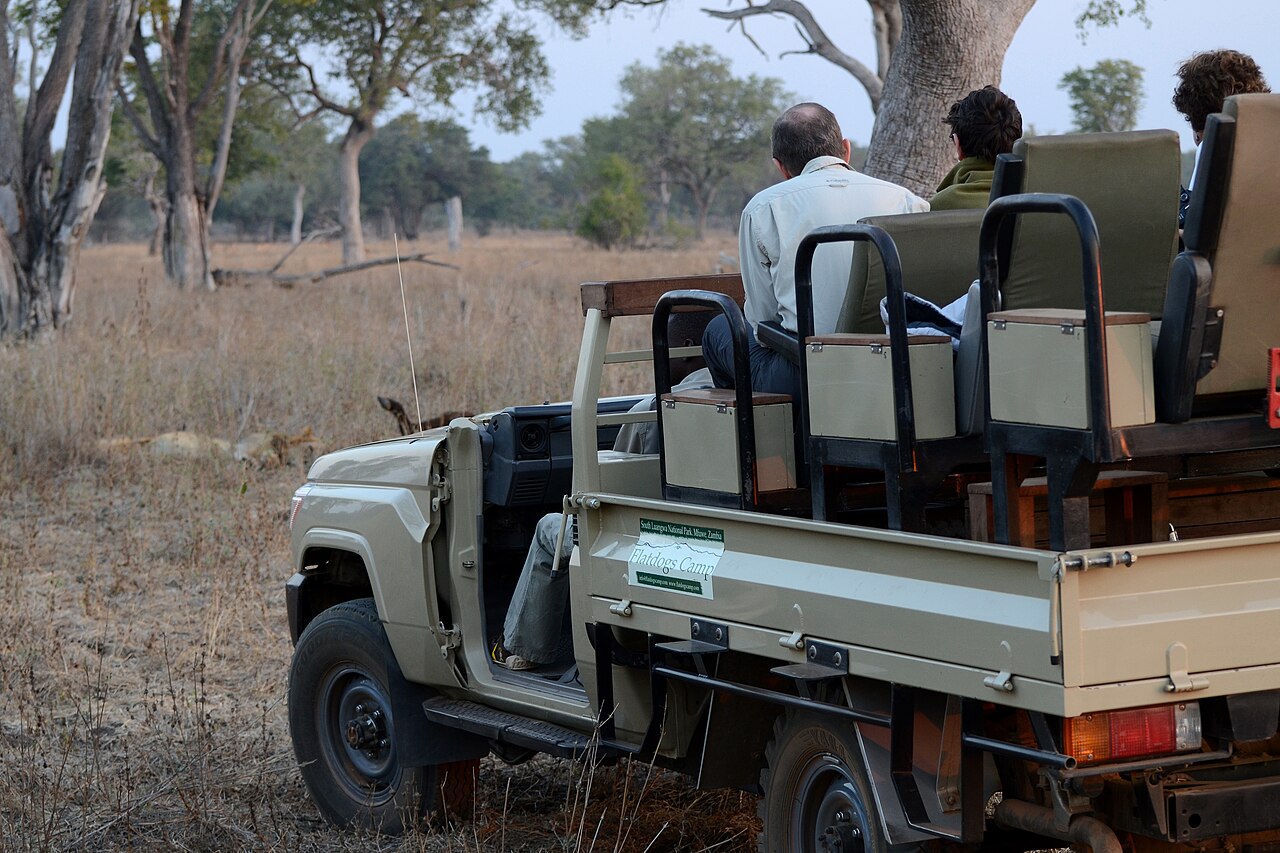
Photography: Lars Plougmann (CC BY-SA 2.0) · Geoff Gallice from Gainesville, FL, USA (CC BY 2.0). Images may be resized or cropped; share-alike licences continue to apply.
South Luangwa is a strong choice for travelers who want to spend time interpreting wildlife rather than simply moving between sightings. The river and its associated habitats organize the landscape, and the season changes both access and the character of a stay. Walking safaris are a major part of the park's reputation, but they are guided activities with specific arrangements, not permission to walk independently. Choose the camp, travel month and activity mix together. A stay near the central access area differs from a more remote seasonal camp and should be compared on that basis.
Zambia Tourism describes the Luangwa River and its lagoons as central to the park's wildlife. It highlights pronounced seasonal change, with drier conditions concentrating activity around remaining water and wetter months producing a greener landscape. Some accommodation remains accessible longer than other camps, so an opening calendar is an essential part of the quotation.
Our recommendation is several nights with a balance of drives and, where suitable, an authorized walking experience. A walking safari offers a different pace and focus; ask about duration, terrain, group size and minimum participation requirements. If combining camps, make sure the transfer adds a distinct area or style of experience rather than simply consuming a wildlife-viewing day.
Zambia Tourism identifies Mfuwe as the principal air gateway and the Chipata approach as a usual road route. Arrange the final lodge transfer in advance. Remote access alternatives should not be attempted on the basis of a general map; ask about current road conditions, seasonality and vehicle requirements.
The tourism authority describes April–October as the dry-season progression and November–March as the wetter period, with late dry-season heat an important consideration. Match the date to the camp's actual opening schedule and your interests. Birding, greener scenery and classic dry-season viewing can point to different choices.
Confirm which walks and drives are included, whether they are shared, and what happens if conditions change an activity. Ask about the guide arrangements and the demands of a proposed walk before booking. Build a route with a full arrival buffer and avoid a remote transfer immediately before an international flight. Compare camps by location and activity model as well as room category.
Mfuwe Lodge · South Luangwa National Park, Zambia, Zambia
A lagoon-side lodge just inside South Luangwa, with chalets, a pool and spa.