Find inspiration, discover attractions, destination guides, and stays across Africa

Town · Botswana

Kasane: the riverfront gateway to Chobe's elephant herds

Botswana's northeastern river town on the Chobe River, with scheduled flights, a 90-minute road link to Victoria Falls, and the launch point for dry-season boat cruises among hundreds of elephants.

Explore Kasane

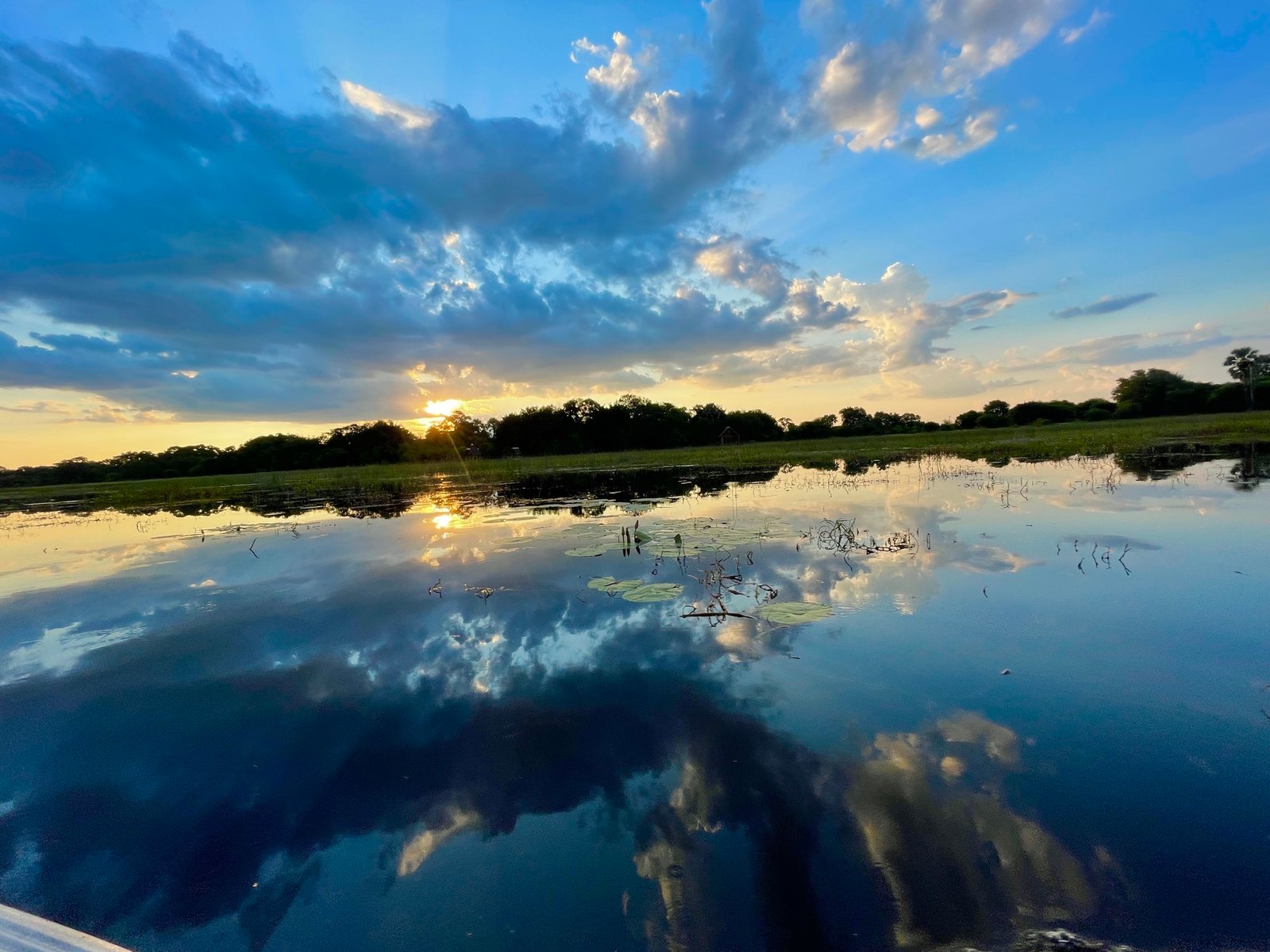
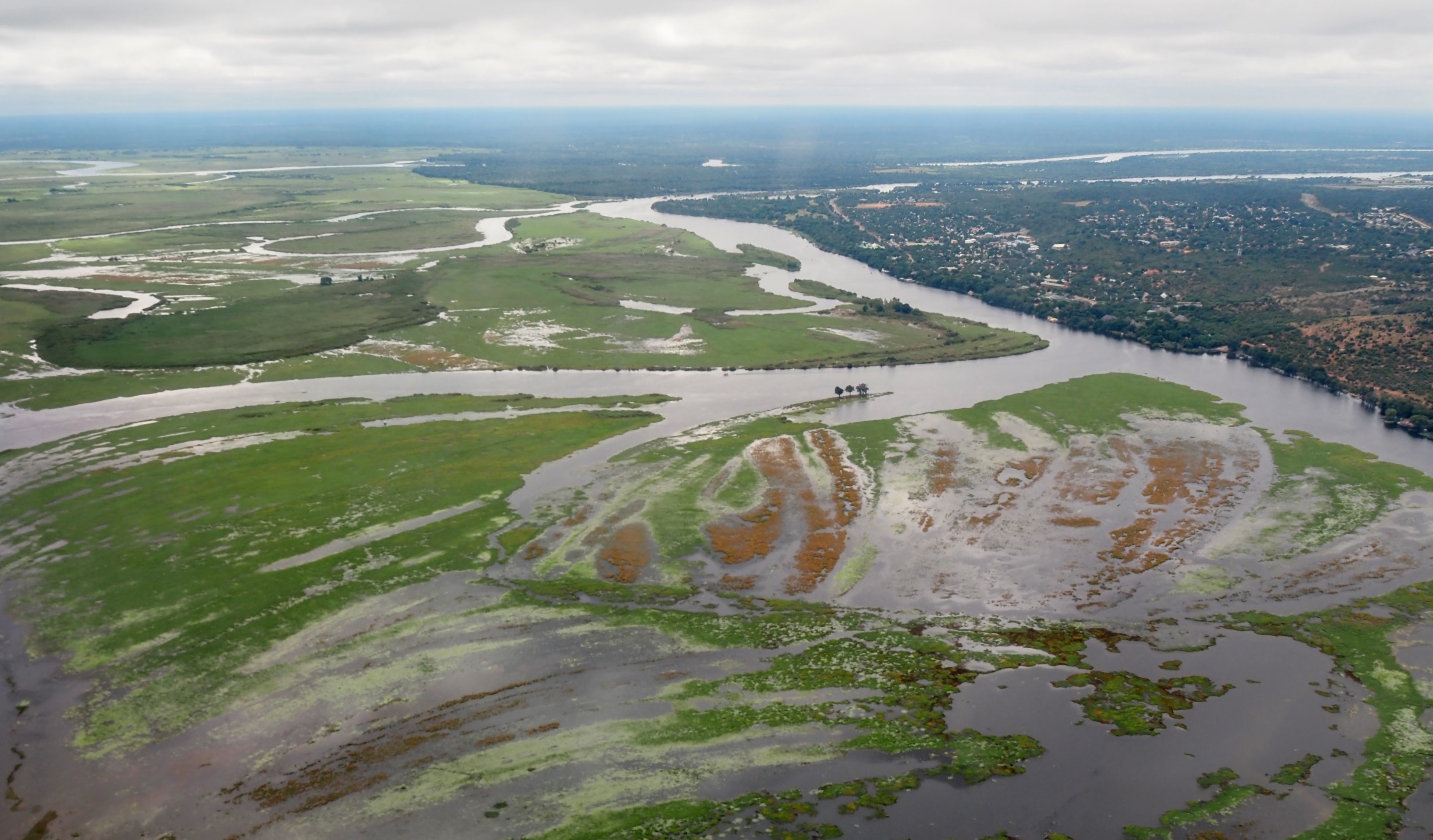
Kasane sits at the convergence of four countries — Botswana, Namibia, Zambia, and Zimbabwe — on the banks of the Chobe River in Botswana's far northeast. It is the practical gateway to Chobe National Park's riverfront, the park's most accessible and wildlife-dense sector, where dry-season elephant concentrations draw visitors to morning and late-afternoon boat cruises. Botswana Tourism describes the riverfront as the area where 'elephants cross from Botswana into Namibia' and where herds of hundreds gather at the river to drink, bathe, and cross from June to October.

The town's airport (BBK) receives scheduled flights from Johannesburg, Gaborone, and Maun, making it a direct entry point for a Chobe-focused safari. Victoria Falls (VFA) in Zimbabwe is a 90-minute road transfer via the Kazungula Bridge, adding the waterfall as a practical bonus day. This cross-border access is a distinctive feature: a Kasane stay can open both the Chobe riverfront and a Victoria Falls day without an additional flight.

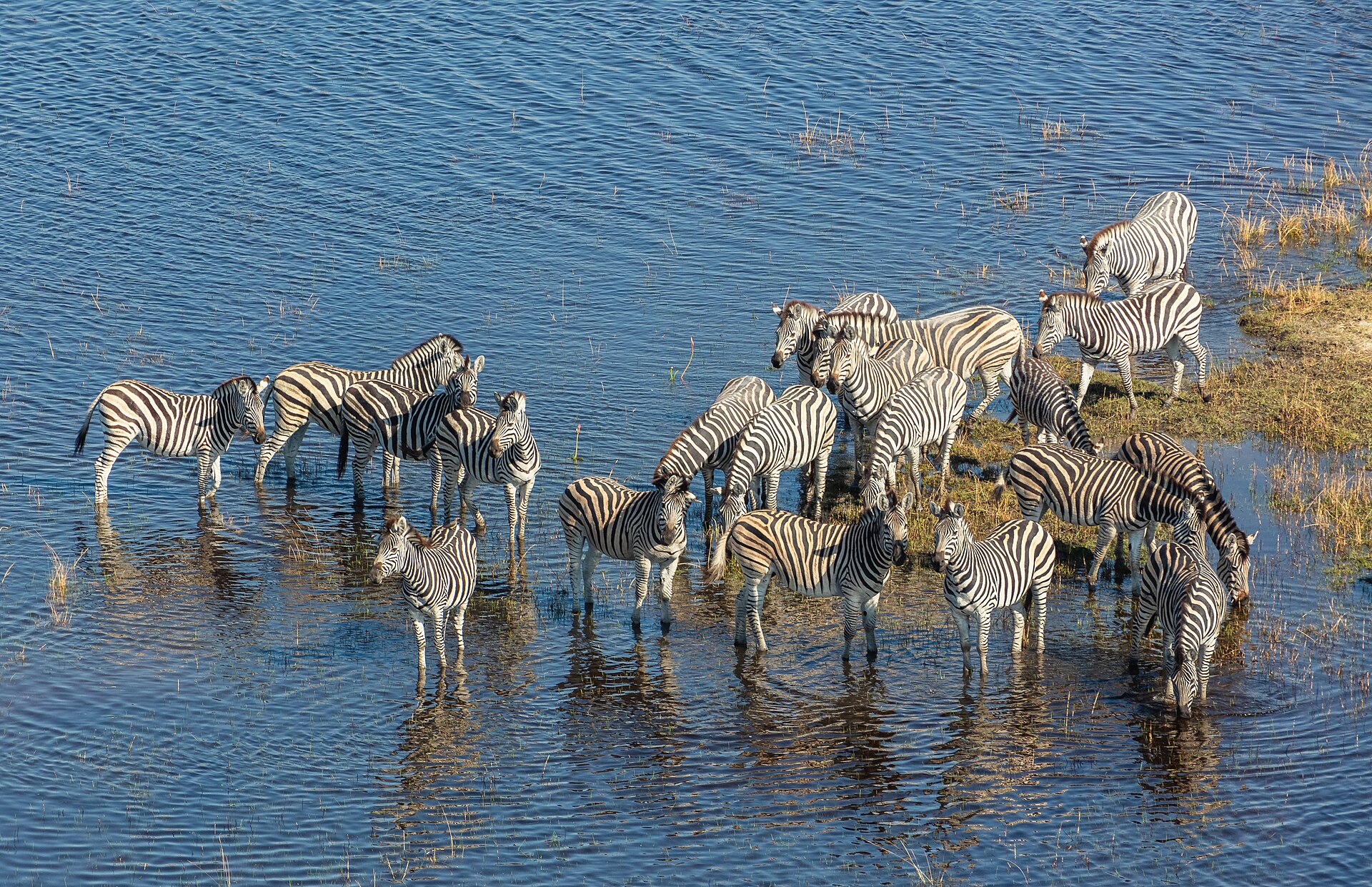
Chobe National Park spans four ecosystems, but only the Riverfront is practically reached from Kasane by road. The Savuti Marsh, Linyanti Swamps, and Nogatsaa sectors require fly-in camps and separate logistics. Botswana Tourism notes that Savuti offers predator densities and seasonal zebra migrations, while Linyanti provides a remote wetland experience — both are distinct products from the Kasane-based riverfront outing. A Kasane stay therefore centres on the riverfront: boat cruises, game drives in the Serondela area, and the town's own services (fuel, supplies, ATMs, casual dining).

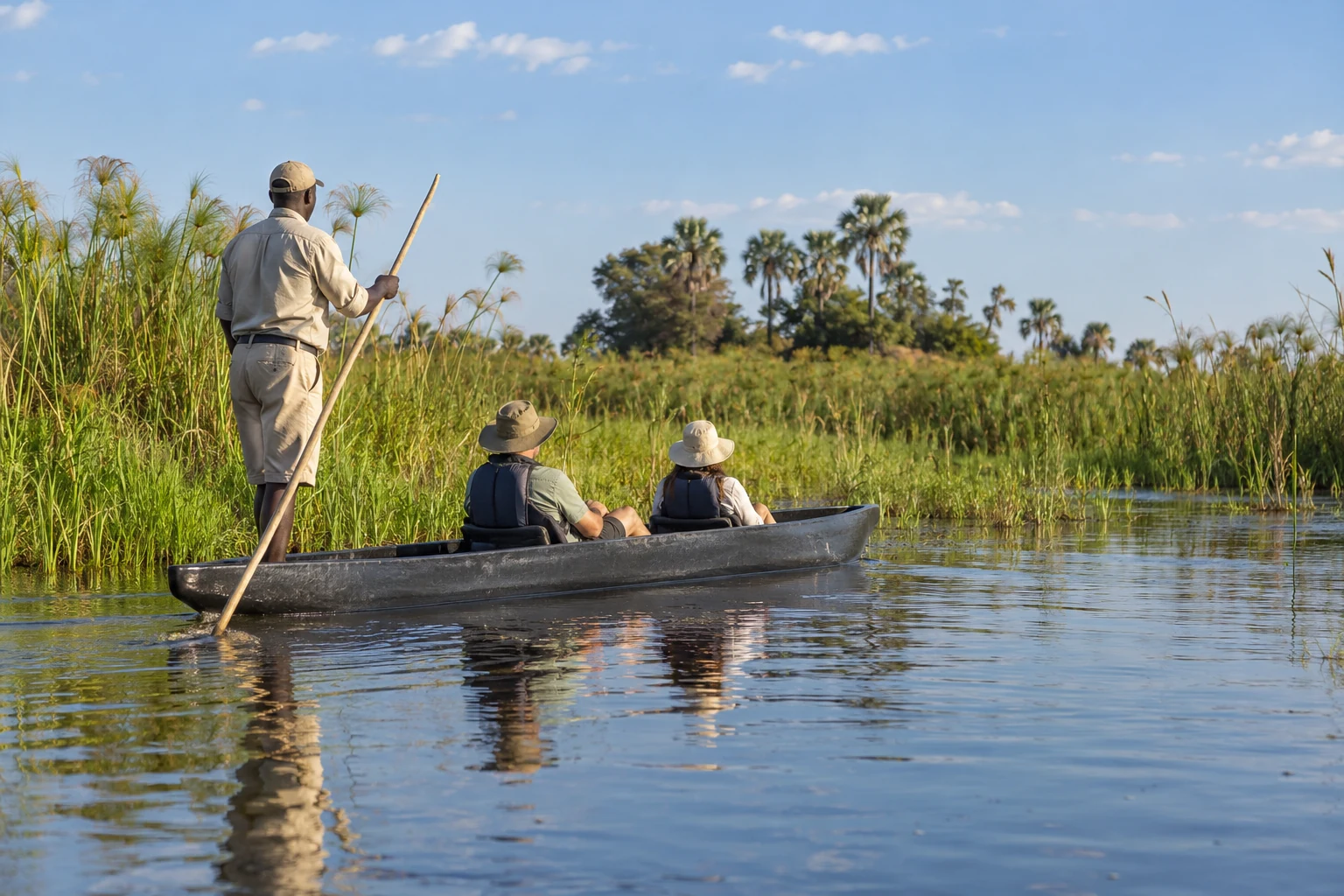
For travellers combining Chobe with the Okavango Delta, the Kasane–Maun light-aircraft flight (45 minutes) is the standard link. The classic two-area itinerary pairs 2–3 nights on the Chobe Riverfront with 3–4 nights at an Okavango camp, using Maun as the Delta gateway. Our published travel insight on choosing between Chobe and Okavango, and the Okavango trip-planning insight, detail this combination.

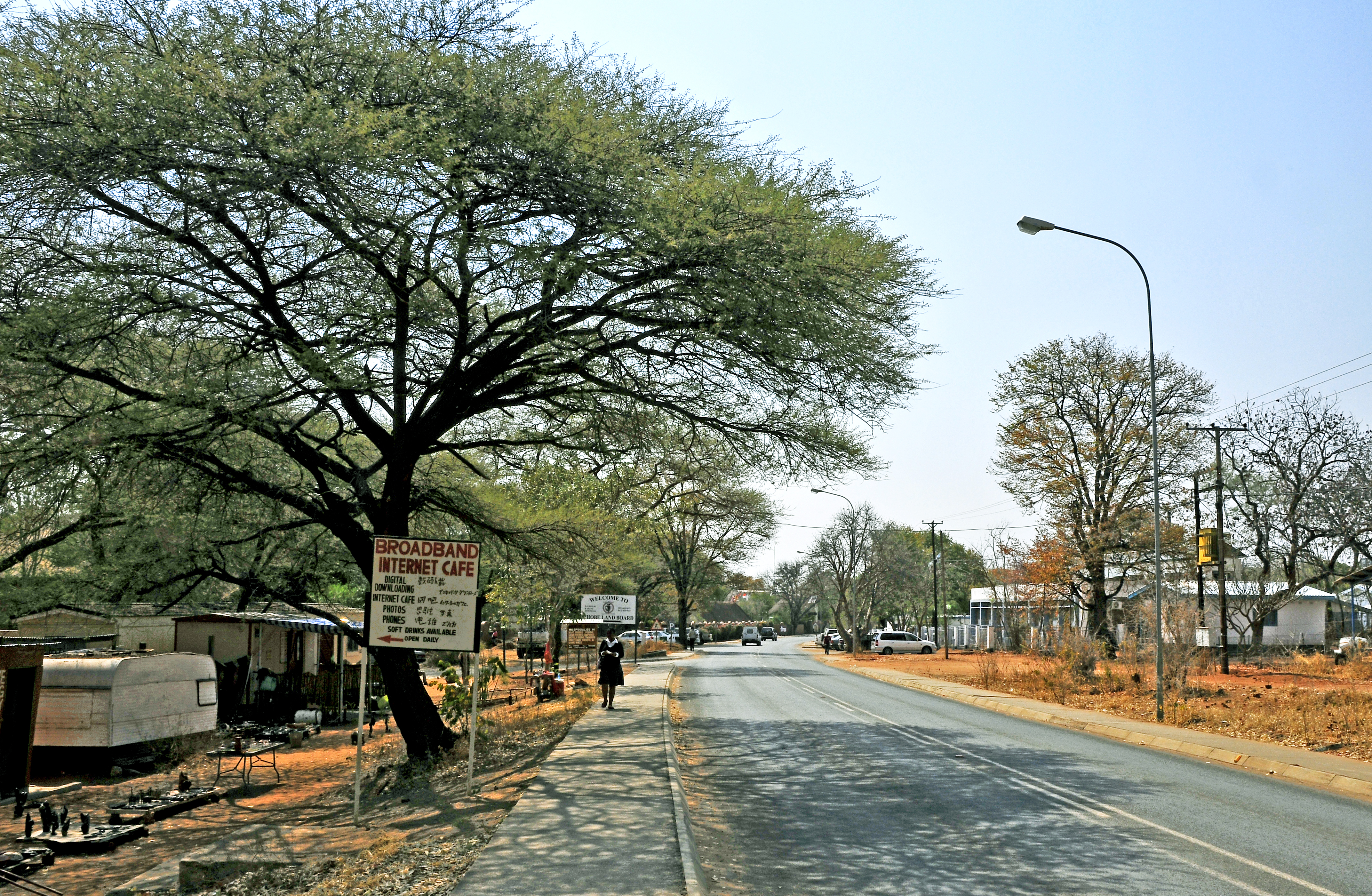
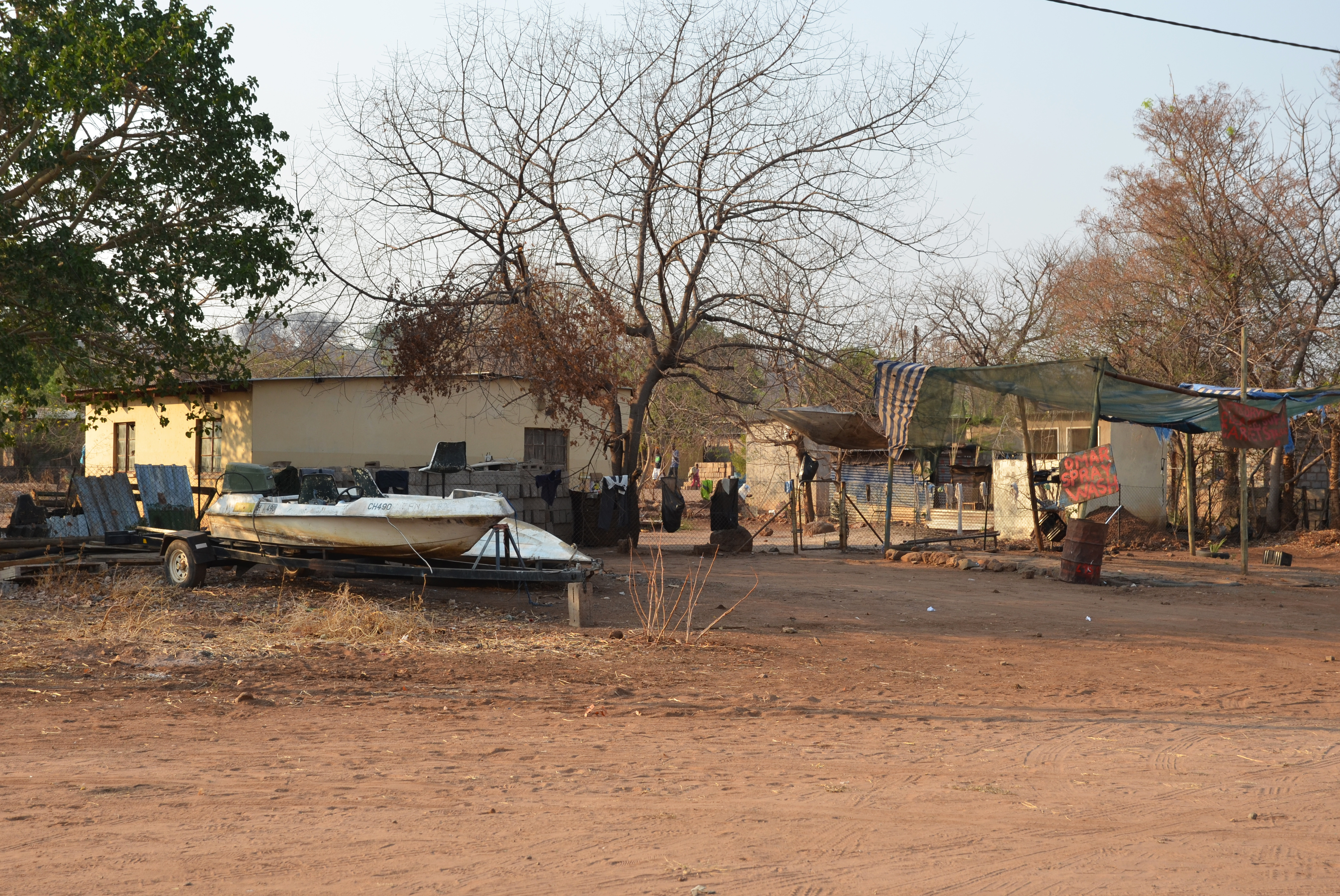
Kasane is a working river town, not a polished tourist hub. Its value is access: the Chobe River is the daily stage, and the town's services support the logistics of early cruises and park entry. Give it a deliberate night before the first cruise rather than treating it as a same-day transfer point.

Highlights

  • Chobe Riverfront: dry-season elephant concentrations (June–October) viewed from boat cruises and game drives based in Kasane
  • Scheduled flights to Kasane (BBK) from Johannesburg, Gaborone, and Maun; Victoria Falls (VFA) 90-minute road transfer via Kazungula Bridge
  • Chobe's four ecosystems: Riverfront (Kasane base), Savuti Marsh, Linyanti Swamps, Nogatsaa — only Riverfront is road-accessible from town
  • Classic Botswana combination: Chobe Riverfront (2–3 nights) + Okavango camp (3–4 nights) linked by 45-minute Kasane–Maun flight

Getting there and around

Arrive by air: Kasane Airport (BBK) has scheduled service from Johannesburg, Gaborone, and Maun. Confirm the airline, baggage allowance (typically 20 kg soft bag for light aircraft), and onward transfer to your lodge. By road from Victoria Falls (VFA): the Kazungula Bridge crossing takes about 90 minutes including border formalities; carry passports, vehicle papers, and yellow fever certificate if required. Do not assume a same-day Victoria Falls arrival and Chobe cruise is reliable — allow a buffer.

Within Kasane, the town centre, fuel stations, and most riverfront lodges are a short drive from the airport. Boat cruises depart from designated jetties on the Chobe River; confirm the departure point, lifejackets, guide, and return plan with your operator. Chobe National Park entry permits are purchased at the Sedudu gate; park fees are not published online — confirm current rates with your operator or the Department of Wildlife and National Parks. The Savuti, Linyanti, and Nogatsaa sectors are not reachable by road from Kasane; they require separate fly-in arrangements.

Best time to visit

Dry season (May–October) peaks for Chobe Riverfront wildlife concentrations: elephants, buffalo, and predators gather at the river, and boat cruises offer the most predictable viewing. June–August brings cold early mornings and nights; September–October is hotter. Green season (November–April) sees herds disperse inland — the riverfront is quieter, birding is exceptional with migrant arrivals, and dramatic skies suit photography. Green season rates are lower. Match your dates to the experience you want: volume and predictability (dry) or birding and solitude (green).

Planning your stay

Plan Kasane as a deliberate base, not a corridor. A useful shape: arrive and settle on day one; a morning boat cruise and an afternoon game drive on day two; a second cruise or a Victoria Falls day trip on day three. For a Chobe–Okavango combination, add the 45-minute flight to Maun and 3–4 nights at a Delta camp. Confirm separately: park entry fees, boat cruise inclusions (guide, lifejackets, refreshments), Victoria Falls border requirements (visa, yellow fever, vehicle papers), and light-aircraft baggage limits. Ask your operator to distinguish between the riverfront product and the fly-in Savuti/Linyanti products — they are different experiences with different logistics. Carry neutral-coloured layers, sun protection, binoculars, and a light rain jacket (November–March). Check Botswana Tourism entry requirements for your passport before booking.

Things to do

Where to stay

Travel insights

More destinations in Botswana