
Research checked 10 November 2026. This is an editorial planning story, not a booking channel: water levels, transfer chains and camp rules all move, so confirm every detail with your operator and the camp sources before you pay.
Botswana is published on this guide as a five-page cluster — the country guide, the Maun gateway guide, the Okavango Delta attraction guide, the mokoro day activity and the Camp Okavango stay — yet its travel-insights shelf sat empty while Uganda carried three planning stories and Kenya its first. That is the gap this run closes, and the decisions the cluster demands are worth holding in order before any camp brand gets chosen: what the water will actually allow, whether you stay on it, how you get there, and when. Hold those first and the rest of a Delta trip prices itself.
Ask what the water will allow
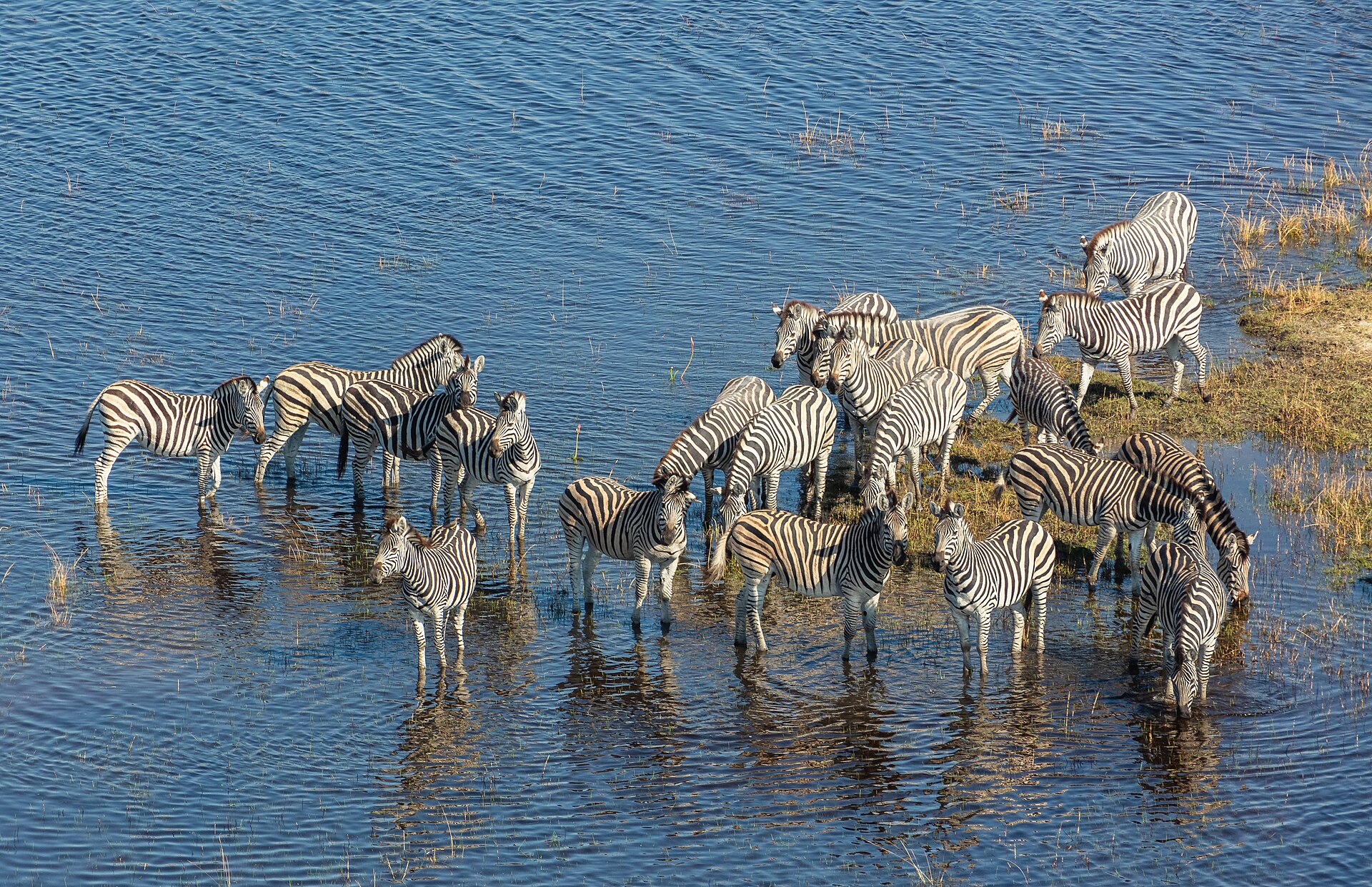
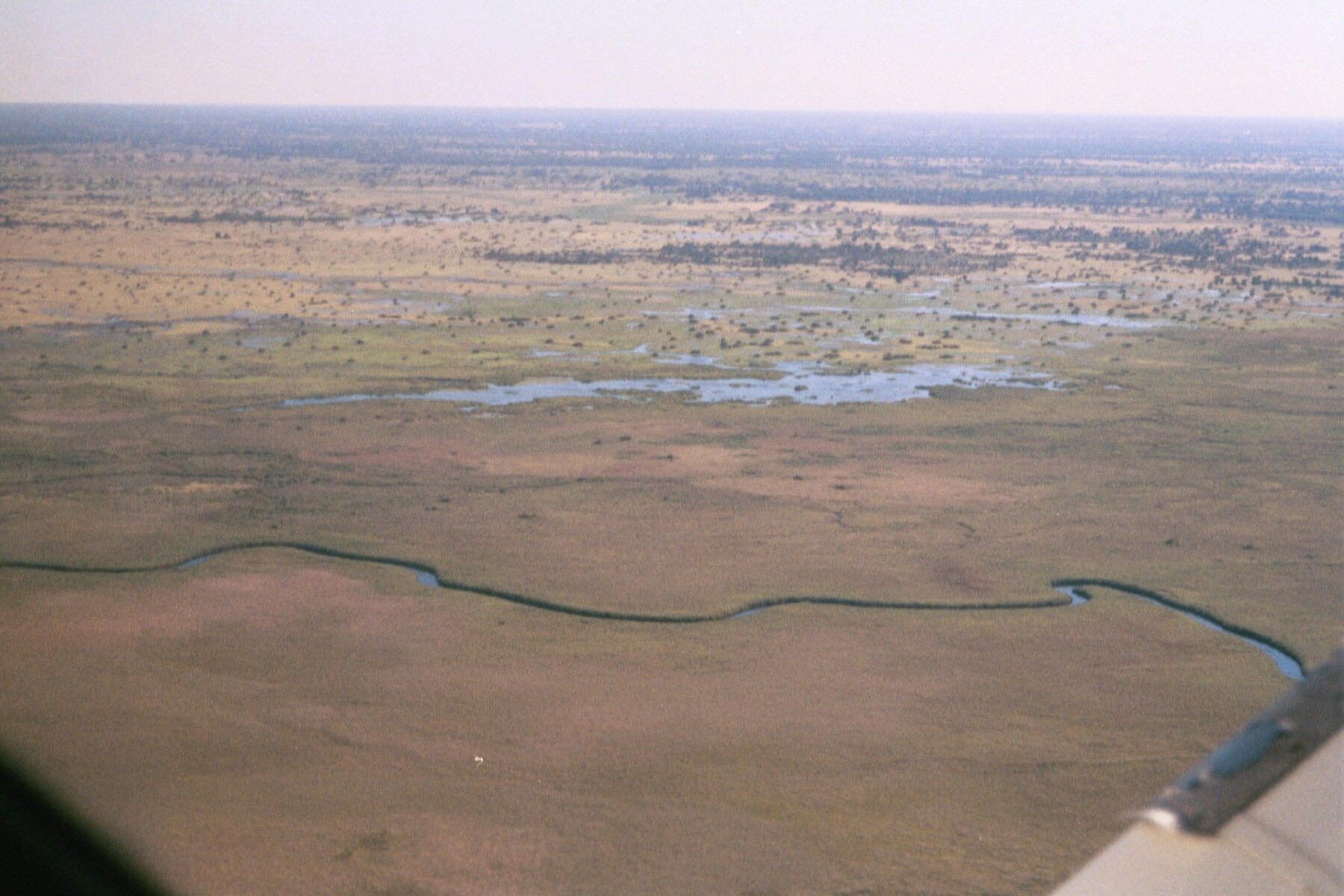
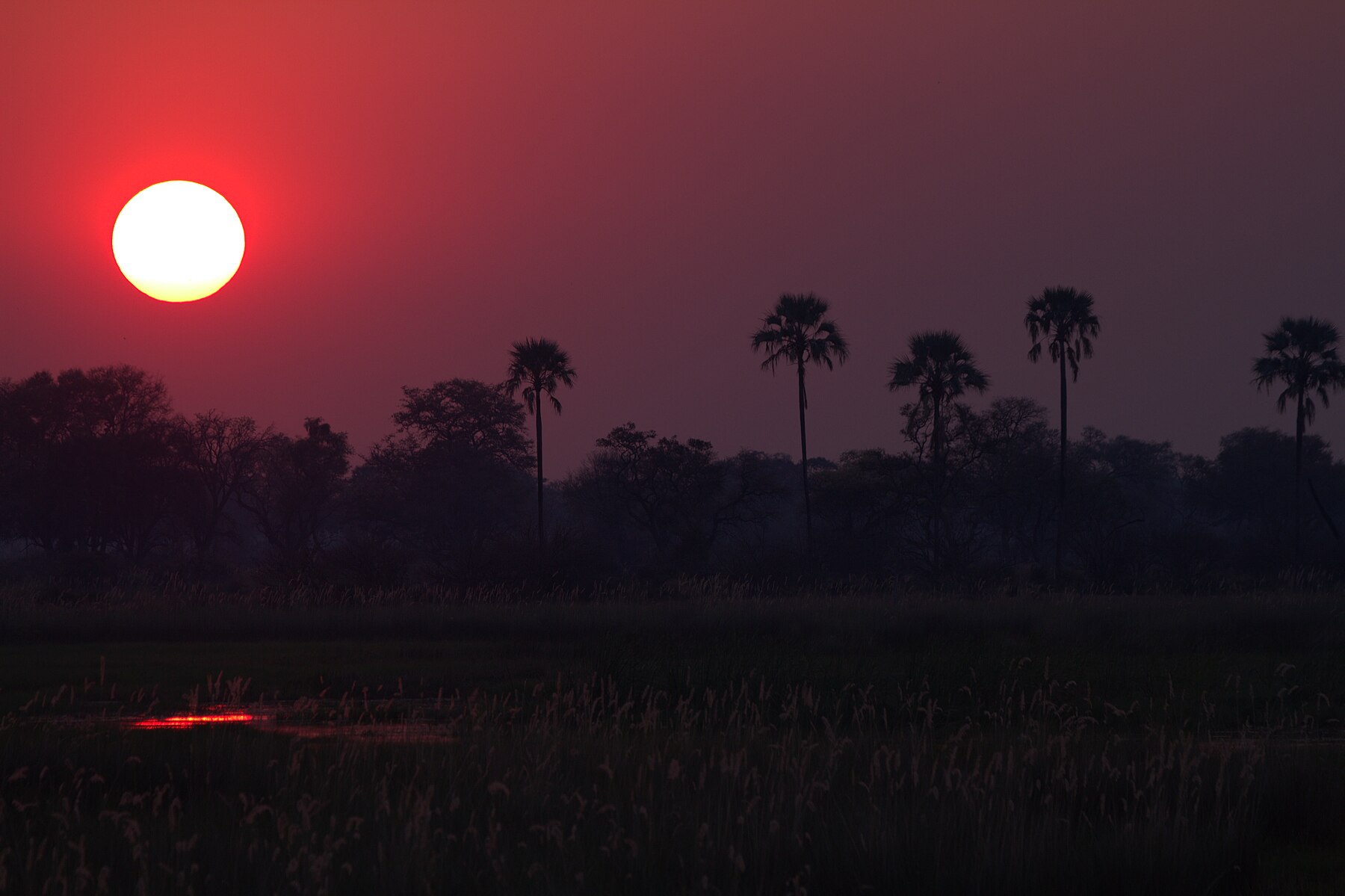
The Delta is not one landscape. UNESCO, which inscribed it in 2014 as the Convention's 1,000th World Heritage site, describes a mosaic of permanent marsh and seasonally flooded plains whose annual flood arrives during the dry season — its record speaks of the flood pulse as a "critical life-force during the peak of Botswana's dry season (June/July)". Our country guide makes the consequence blunt: "a property's position can be more important than the broad destination name", and the Delta guide warns that camps offer "genuinely different experiences" because different settings flood and drain at different times. So start at the water, not at the camp name: ask which of your desired activities depend on water levels on your travel dates, not on the Delta's reputation in your travel month.
Water camp, land camp, or a complementary pair
Once the water question is open, the stay decision writes itself. A water camp is its own product: our Camp Okavango guide shows one on Nxaragha Island — motorboat journeys in the deeper channels, mokoro outings in the shallows, guided island walks — and states plainly that its operator "explicitly states that game drives are not offered here". If vehicle game viewing matters to your trip, the same guide carries the fix: "Match the camp with a land-based property if vehicle game viewing is an important part of your itinerary." And if you do take two camps, the Delta attraction guide has the pairing rule worth obeying: choose "complementary settings rather than two similar products". Two water camps two channels apart are not a safari strategy; water plus dryland is.
Getting there: Maun, then the planes
Most Delta trips converge on Maun, which Botswana's tourism organisation — as quoted in our gateway guide — calls the country's tourism capital and asks visitors not to treat "merely as transit". From there the trip changes vehicles: the Delta attraction guide explains that the inner Delta is reached largely by light aircraft, and UNESCO's integrity record confirms the pattern ("Tourism to the inner Delta is limited to small, temporary tented camps with access by air"). Plan the movement as one sequence — the attraction guide's own rule is to confirm "the gateway, onward flight or road connection, arrival airstrip and final camp transfer as a single sequence" — because camps such as Camp Okavango ask you to arrange the complete island transfer with the operator before booking onward travel. Small aircraft carry small allowances: the camp guide asks for "the current aircraft luggage allowance and all flight, conservation and transfer charges in writing", and the attraction guide says to check "baggage restrictions and connection margins for small aircraft" and to ask publicly who pays when a delayed leg breaks the chain.
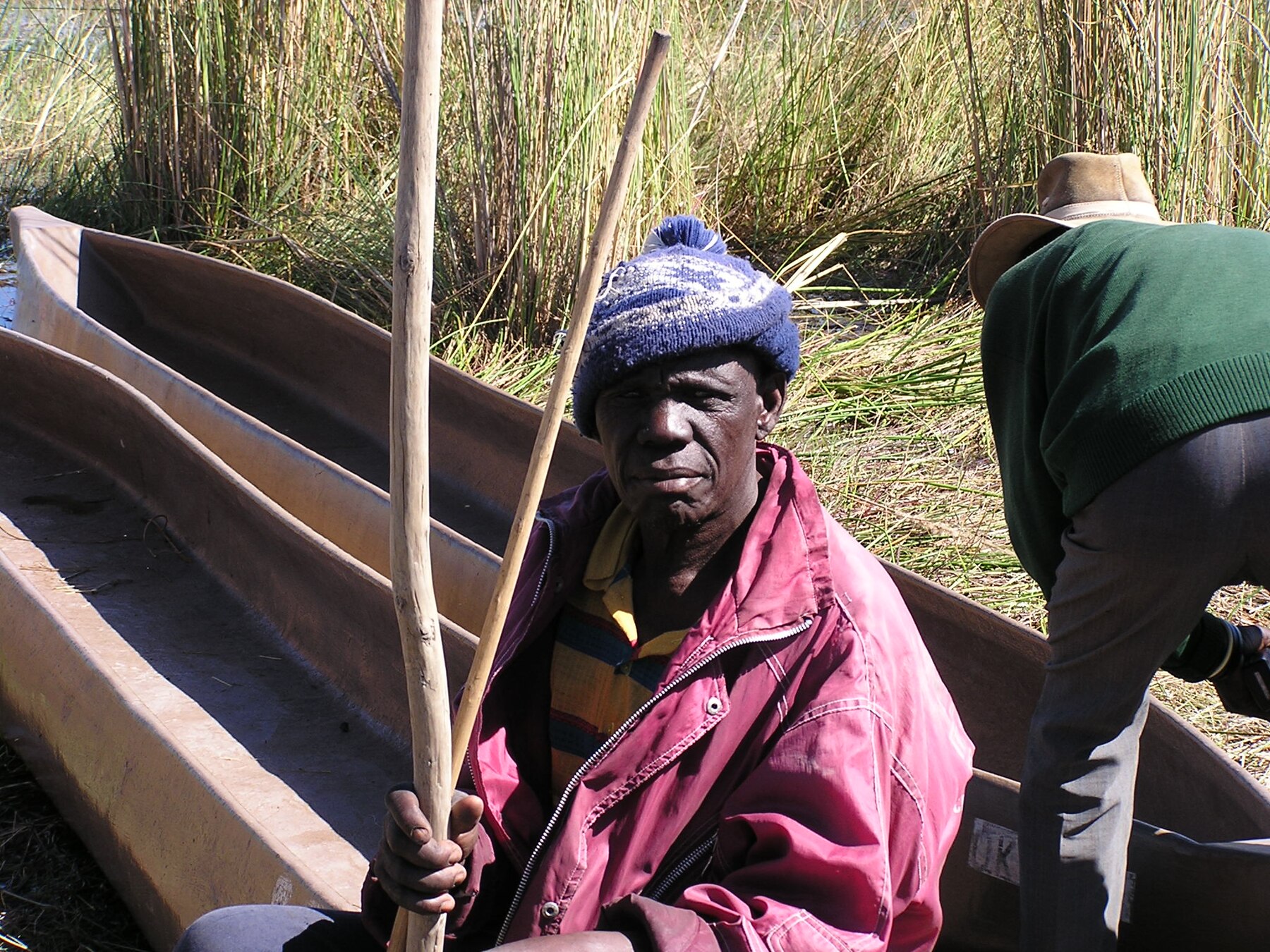
If the flight-to-camp investment is not ready for your budget, the Maun-based mokoro day is the honest middle road: a road transfer, a poler-guided journey and a walk — but book it as what the activity guide says it is, a distinct product rather than a taste of an overnight stay. "They are different products and should not be conflated."
Timing: read the flood, not just the calendar
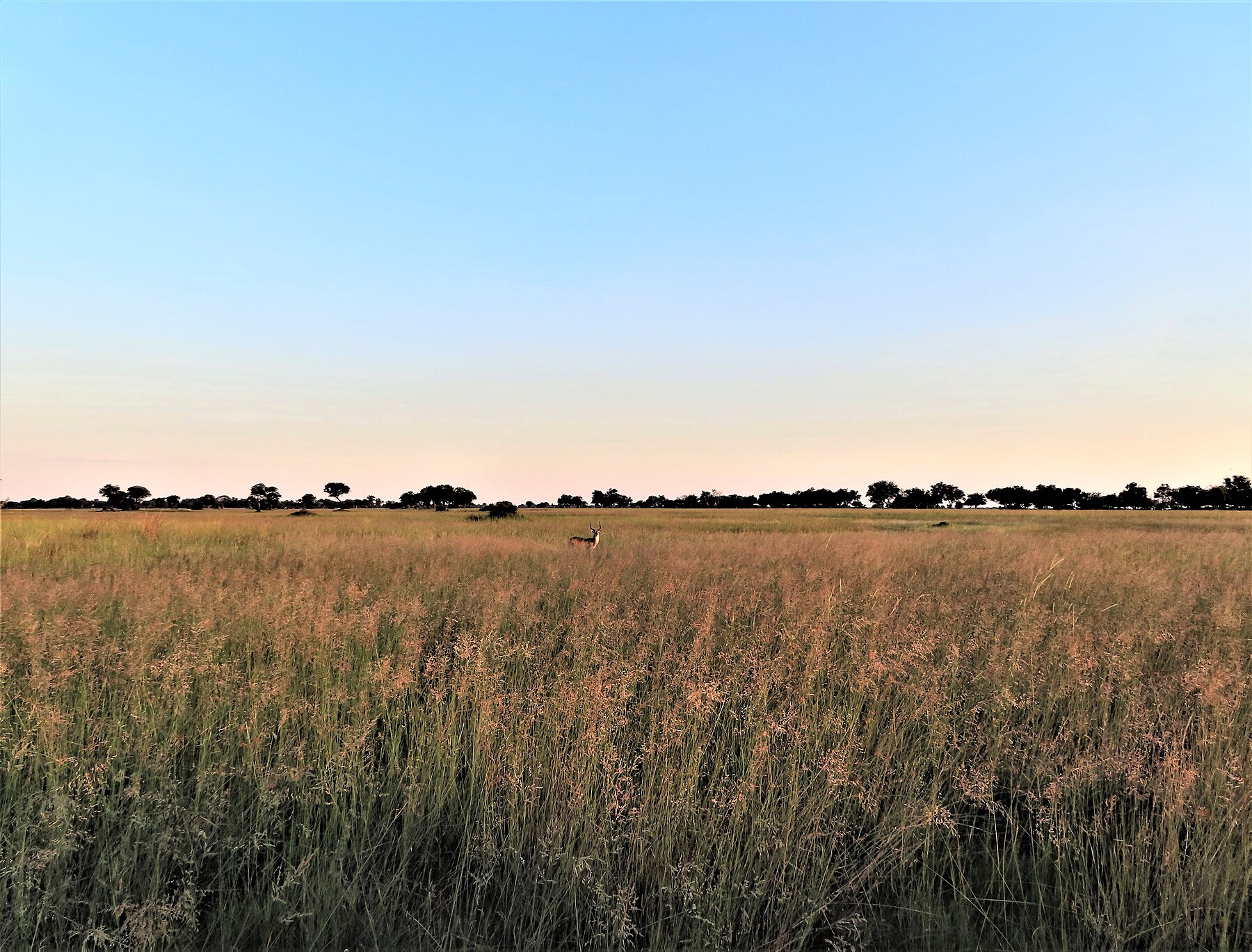
The country guide's season line stands as written: May–August generally brings "dry, clear weather and cold early mornings and nights" while "the greener season offers a different birding and landscape experience". The twist that surprises first-timers is UNESCO's own: the flood arrives late, as dry-season bonus water, which is why a July trip can find channels fuller than a February one. Wildlife follows the same pulse — the lechwe you meet on the floodplain lives on whatever water spread that month — and the country guide carries the honest caveat: "regional rainfall and flooding do not follow a simple, identical timetable." The instruction that matters most is the one our Delta guide repeats: ask the camp about local water levels and available activities on your dates, not about the Delta in general.
Road self-planning deserves its own caution. The country guide: "obtain current route and vehicle advice rather than assuming every lodge can be reached independently." Most of the Delta is not a road destination at all, and pretending otherwise is how map-distance errors happen.
Build the pace, then ask before you pay
The country guide's rhythm rule decides your itinerary skeleton: "spend enough nights in each place to settle into its rhythm, rather than moving frequently between camps with similar experiences and lengthy transfer arrangements." Water camps are slow days by design; a shorter stay "with clear expectations can be more satisfying than a costly itinerary built around an activity that is only seasonally possible", as the Delta guide puts it. Then interrogate the quote, in order:
- Which activities are included at this camp, and which depend on water levels on my dates?
- If I take two camps, are the settings complementary — water plus dryland, not water twice?
- The full transfer chain in writing: gateway, flight or road leg, arrival airstrip, camp transfer, luggage allowance.
- Participation limits on water and walking excursions — the country guide asks you to check them — and any mobility needs raised before choosing a suite.
- Nights in each place, sized to the pace the water actually allows.
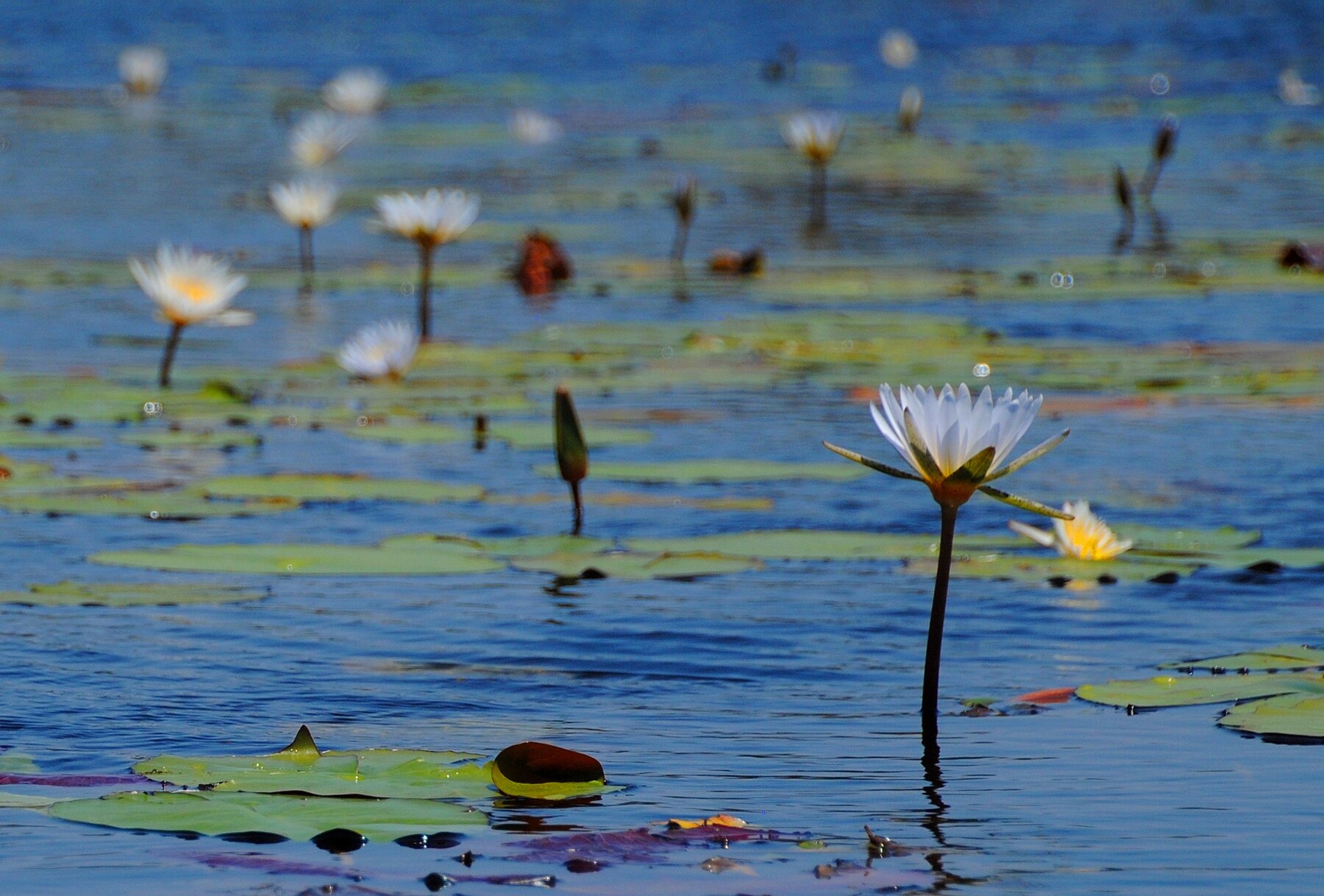
Where this leaves you: let the water choose the camp before the camp's name chooses you, pair water with dryland instead of water with more water, count the transfer chain as a single booked product from Maun inward, and hold the flood as a season that rewards checking — not a box the calendar already ticked. Then the itinerary, whether it holds an overnight island stay like the lily-covered channels shown here or a single unhurried mokoro day, flexes to the water the year actually sent instead of the one the brochure promised.
Field context lives in the published pages this story is built on: the Botswana country guide, the Okavango Delta guide, the Maun gateway guide, the mokoro day and the Camp Okavango stay.