
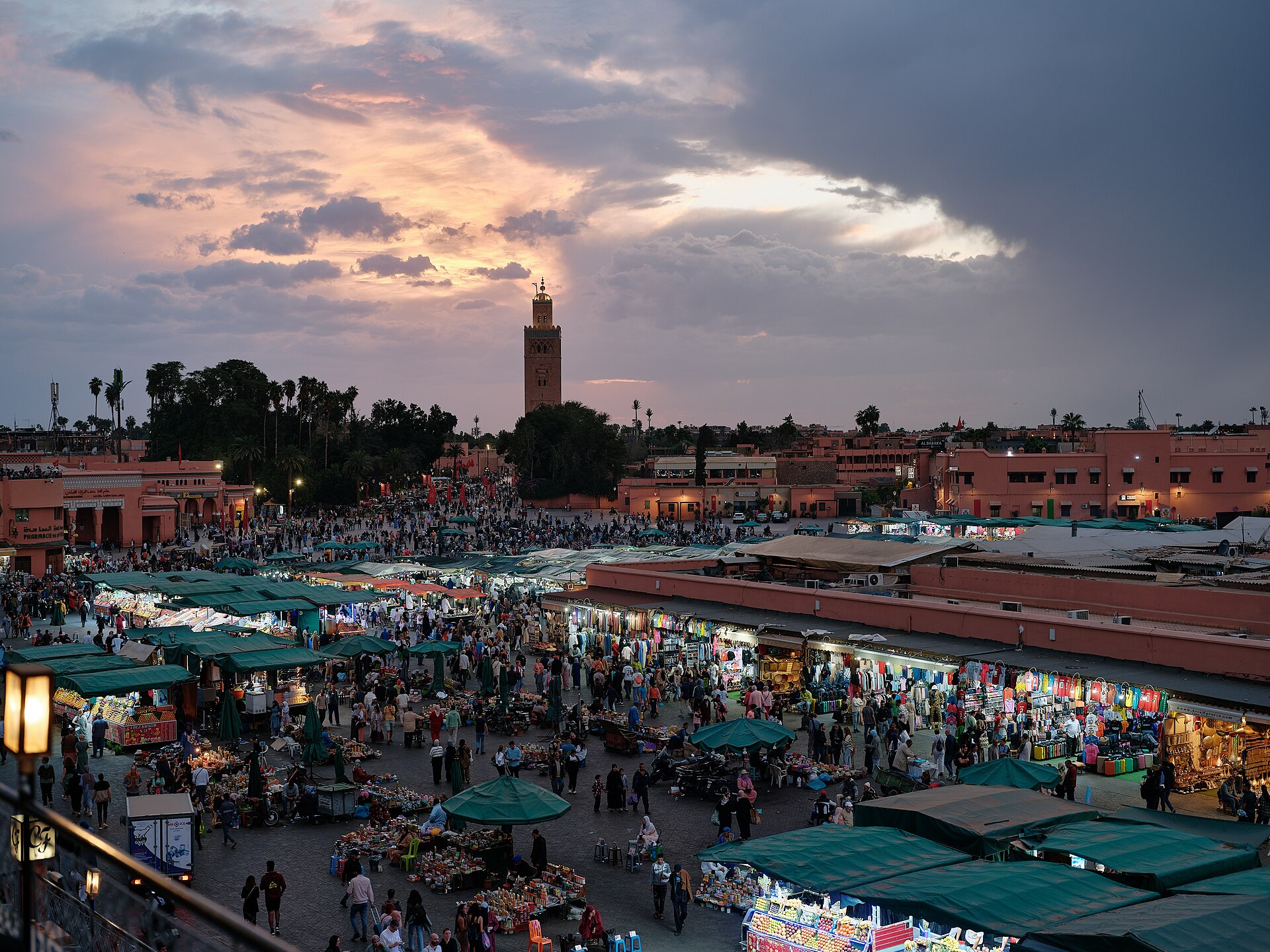
Marrakech And Atlas · Morocco, Morocco
Marrakech And Atlas
A flexible route of medina culture, gardens, riads, and day trips into the Atlas foothills.
City · Morocco
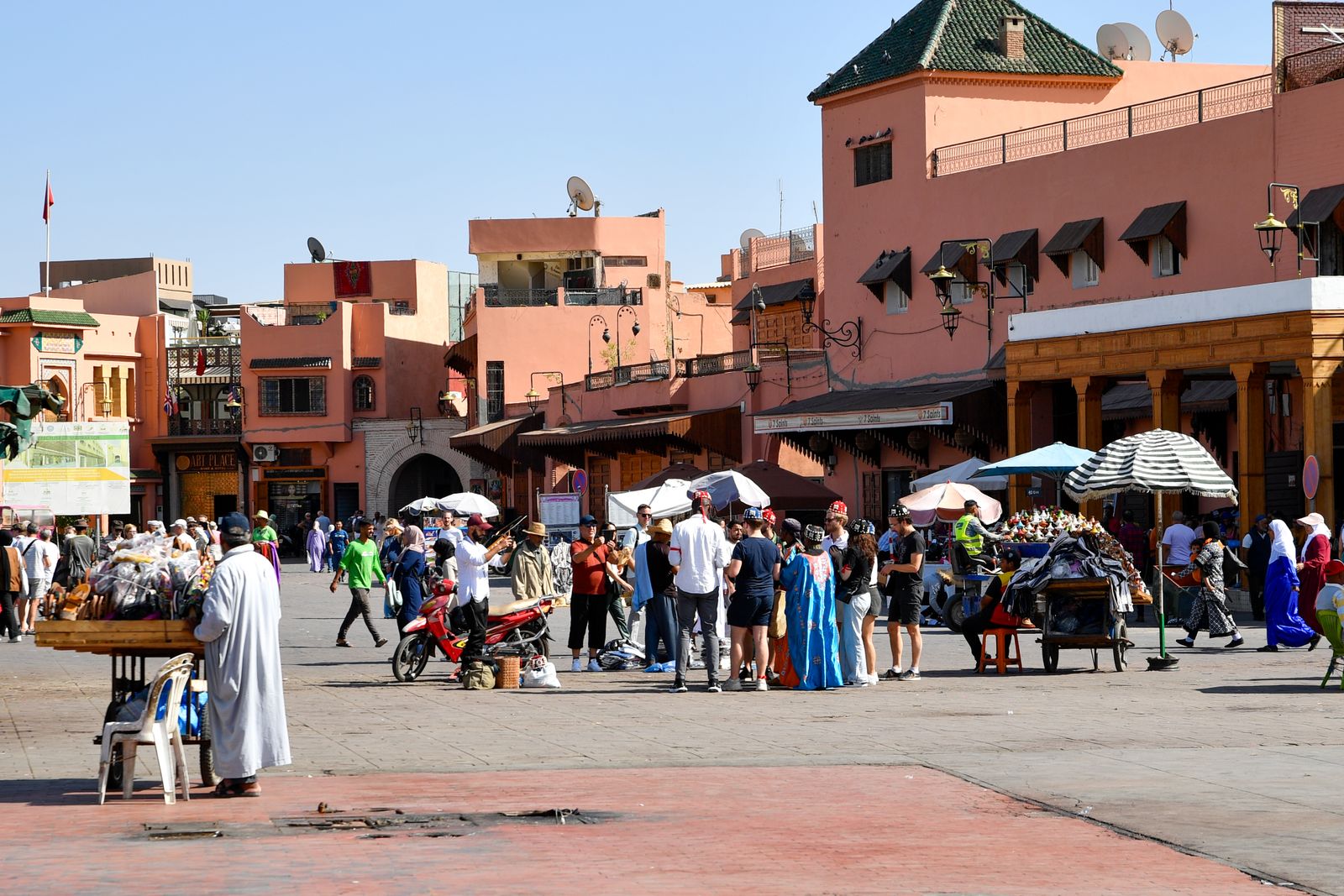
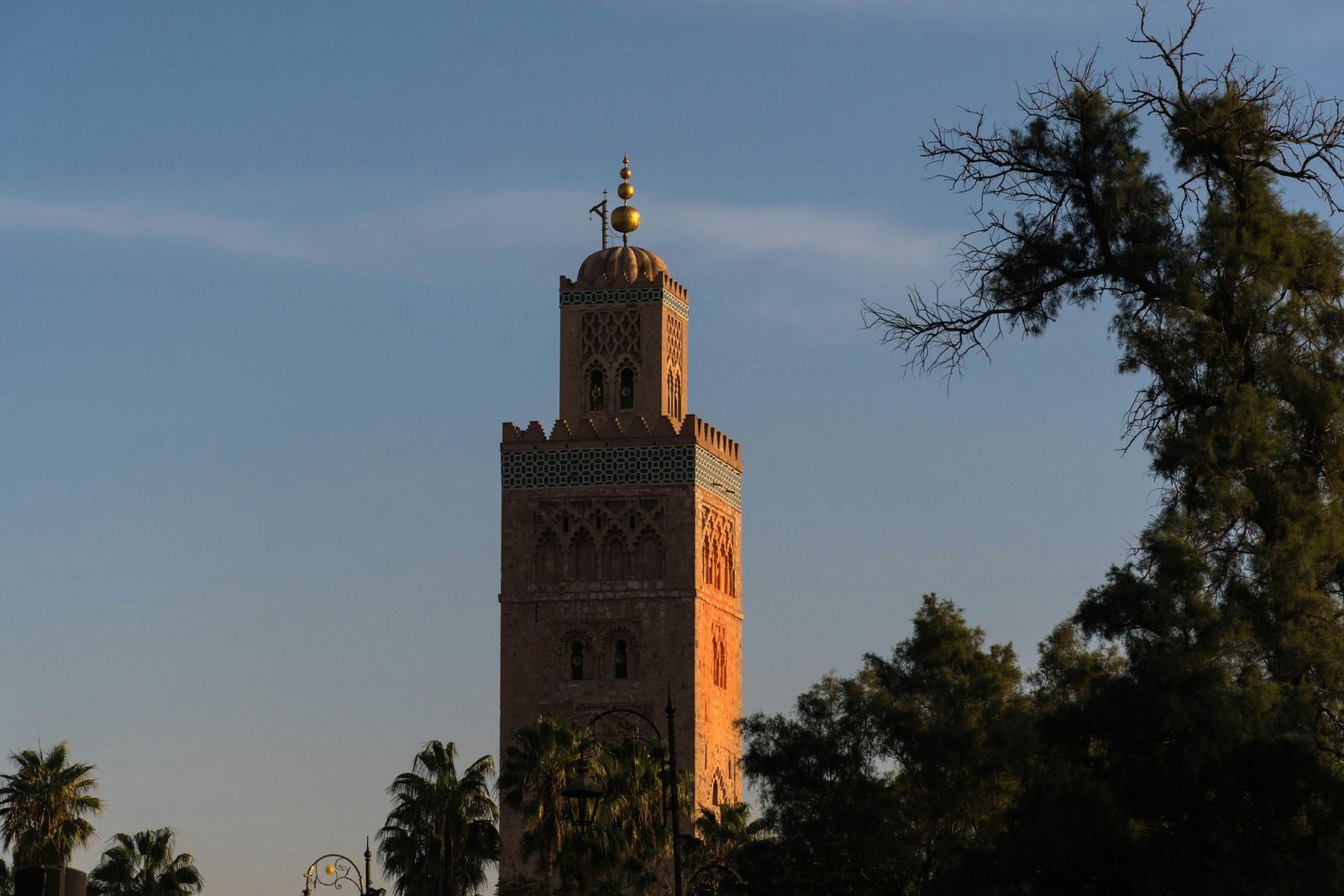
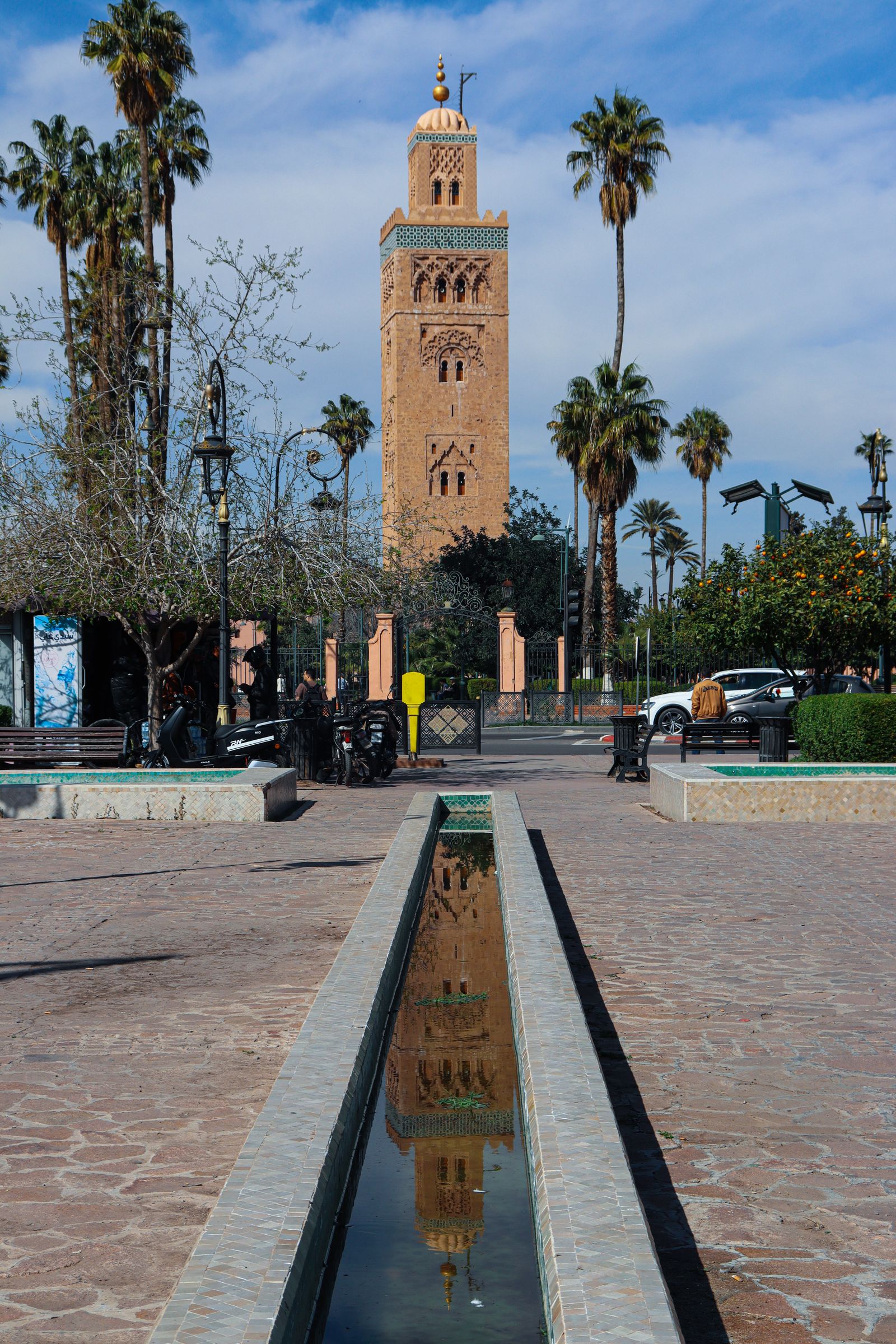
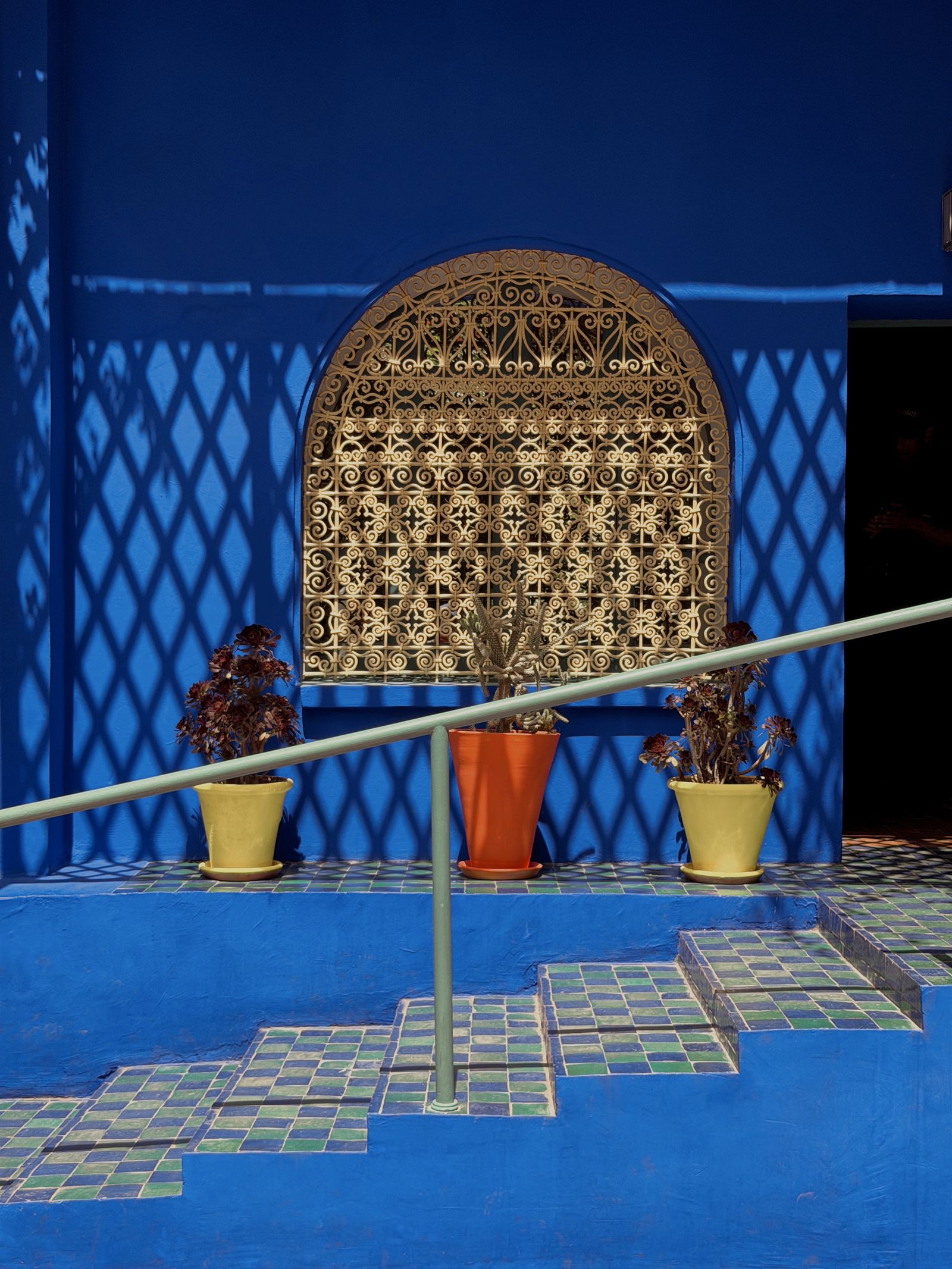
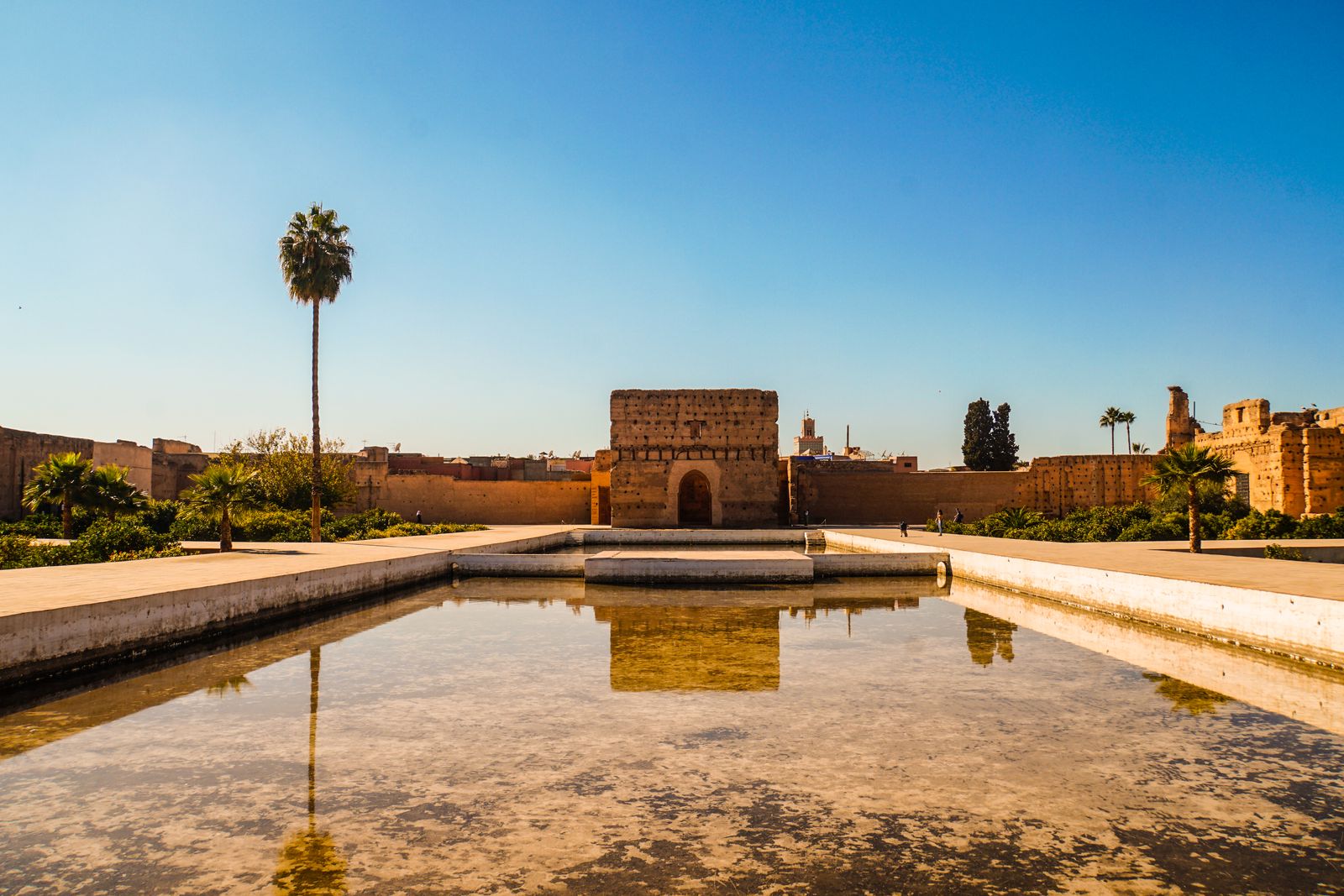
Morocco's tourism office points visitors to Jemaa El-Fna, riad patios and the souks — the Marrakech And Atlas attraction guide, two city activities and a medina riad stay finally have the city planning guide behind them.
On the site, Marrakech has been planned from three directions at once — the Marrakech And Atlas attraction guide, a medina street-food tour and an Atlas day-trip activity, and the Rosemary Marrakech riad stay — while the city itself had no planning page, and none of the site's eleven destination guides came from Northern Africa. The Moroccan National Tourism Office fills the frame in one greeting: 'Between tradition and modernity, Marrakech is the promise of unequalled sensations. Strolling the Jemaa El-Fna square and the souks with their shimmering colours and oriental smells, the red city offers you a complete change of scenery.' The same office describes staying inside the medina through its architecture: riads are 'small oriental palaces overlooking a beautiful patio', the courtyard-centred form our attraction guide explains at length and our five-room published riad stay embodies.
Jemaa el-Fna is why the first evening belongs to the square. UNESCO records the 'Cultural space of Jemaa el-Fna Square' as one of the main cultural spaces in Marrakesh and a symbol of the city since its foundation in the eleventh century: a triangular space at the entrance of the medina where storytellers, poets, snake-charmers, Berber musicians and Gnaoua dancers perform all through the day and well into the night. Morocco has protected the square as artistic heritage since 1922, UNESCO proclaimed it a masterpiece in 2001 and inscribed it on the Representative List in 2008, and the same record names urbanisation and tourism pressure as the serious threats — the honest reason to hold the camera and ask before shooting. Food runs through the square's record as well; fruit and traditional food are bought there daily, and the tourism office's essentials bill tanjia as the mythical dish of Marrakech.
The tourism office's pacing allowance is three days: explore the medina, its souks and Jemaa El-Fna square, then see Majorelle Garden, El Badi Palace and the Koutoubia Mosque, with day trips measured at about 45 minutes to the Agafay desert, about an hour to the Ourika Valley and about 2.5 hours to Essaouira. Outside the ramparts the register changes entirely — the office sends shoppers to Gueliz and Hivernage for modern infrastructure, luxury boutiques, international ready-to-wear stores and airy avenues. Our attraction guide supplies the anti-rush rule the whole city has to be planned on: two unhurried city days and a separately chosen Atlas excursion, because an itinerary naming only 'the Atlas' is too vague to compare meaningfully.
Marrakech Menara receives the international arrivals our Morocco guide centres on, and the ground rule inside the city is the medina rule both the country and attraction guides set: a vehicle may not reach every medina door, so confirm the final riad access and agree a recognisable meeting point with the luggage plan before arrival. Outward, the tourism office's verifiable distances are the Agafay desert (about 45 minutes), the Ourika Valley (about an hour) and Essaouira (about 2.5 hours); for mountain travel the attraction guide's rule stands — ask for the precise valley, village or trail and a current road assessment, because an itinerary naming only 'the Atlas' is too vague to compare. For entry, the UK FCDO record confirms that tourism stays need no visa for up to 90 days, a passport with an expiry date at least 3 months after arrival, that the border entry stamp must be kept intact for departure — some travellers without a stamp had difficulties leaving — and that the dirham is a closed currency not easily exchanged outside Morocco, with foreign currency of 100,000 dirham or more declared on entry or exit. Dealers also counterfeit; verify the entry rules against your own nationality before booking, because the FCDO record speaks for British passports.
The national tourism office is specific for Marrakech: the best time to go is March to May and September to November, summer is very hot, and winter keeps days mild with cool evenings. The site's own Morocco guide carries the same seasonal shape — spring and autumn the most comfortable seasons for inland travel — and adds the mountain caveat that route conditions must be confirmed before an outing. Our attraction guide adds the medina-specific tradeoff: unhurried courtyard and souk walking is materially better outside the worst heat. Do not fix a month in advance as an automatic booking window; confirm conditions close to travel.
Plan the official shape, then unpack it. The tourism office's three days: medina, souks and Jemaa El-Fna first; Majorelle Garden, El Badi Palace and the Koutoubia Mosque next; then at most one day trip per stay (Agafay, Ourika or Essaouira — and never treat a distant dune camp as a simple evening extension of a city break, the country guide's own warning). Reserve major ticketed sites directly where appropriate, as the attraction guide instructs, checking current hours and access on the official pages rather than from this guide. Support the square's performers on their terms and ask permission before photographing people or private activities — UNESCO's record lists tourism pressure itself among the threats to the square's practices. In the medina, agree the meeting point, luggage route and vehicle stop with your riad before arrival. Compare stays by walking access, noise, stairs and room facilities, as the attraction guide advises: a five-room riad like Rosemary Marrakech plays very differently from a modern Gueliz hotel. Flag dietary needs before the published street-food tour. Keep the formalities in a checklist: up to 90 tourist days, passport valid 3 months beyond arrival, the entry stamp kept, and a dirham cash plan.
Marrakech And Atlas · Morocco, Morocco
A flexible route of medina culture, gardens, riads, and day trips into the Atlas foothills.
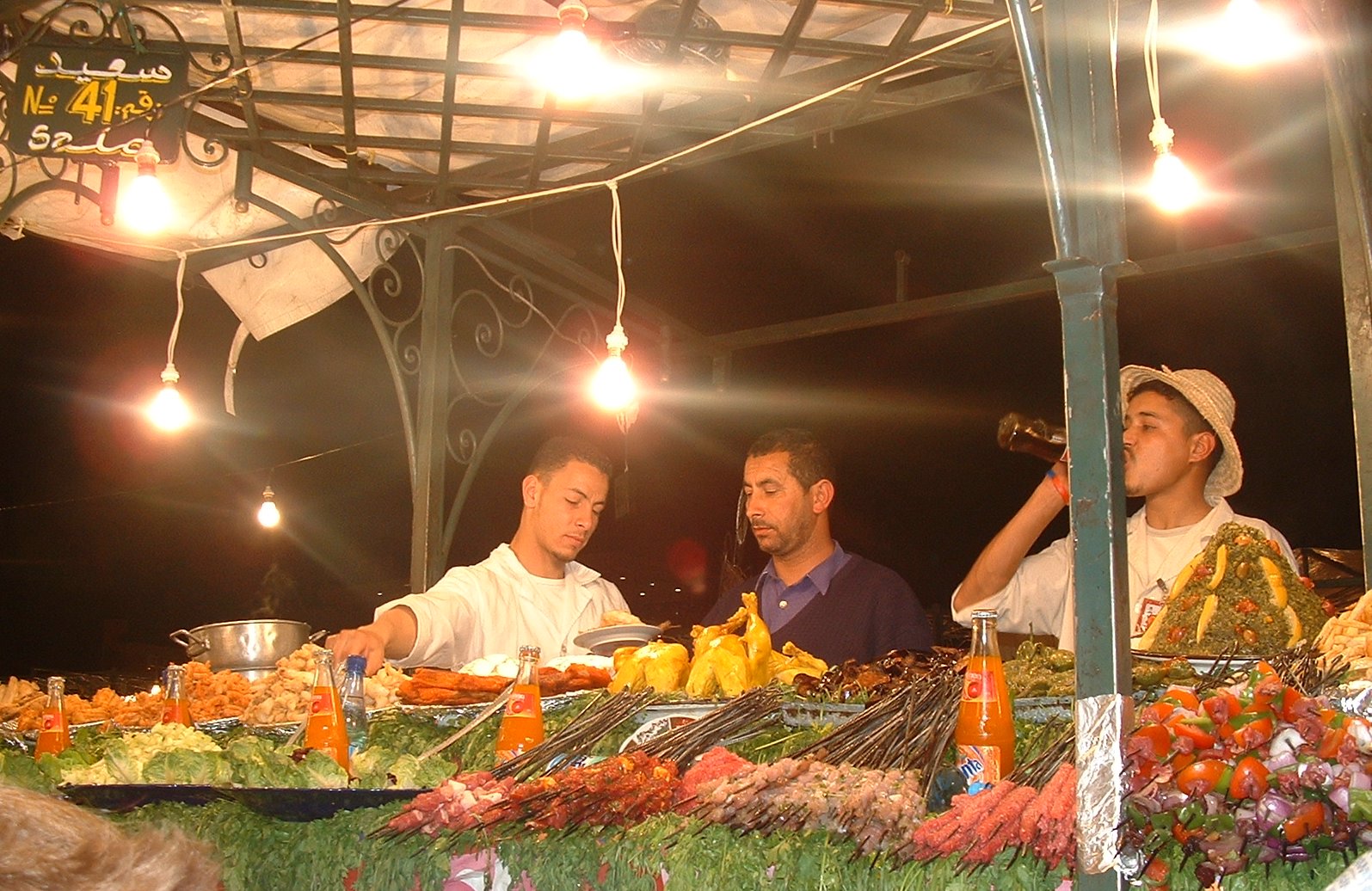
Marrakech Medina street-food tour · Medina, Marrakech, Morocco, Morocco
Explore Marrakech through small tastings and a local guide’s explanations. Arrive hungry, clarify dietary needs beforehand and leave time to enjoy the medina after the walk.
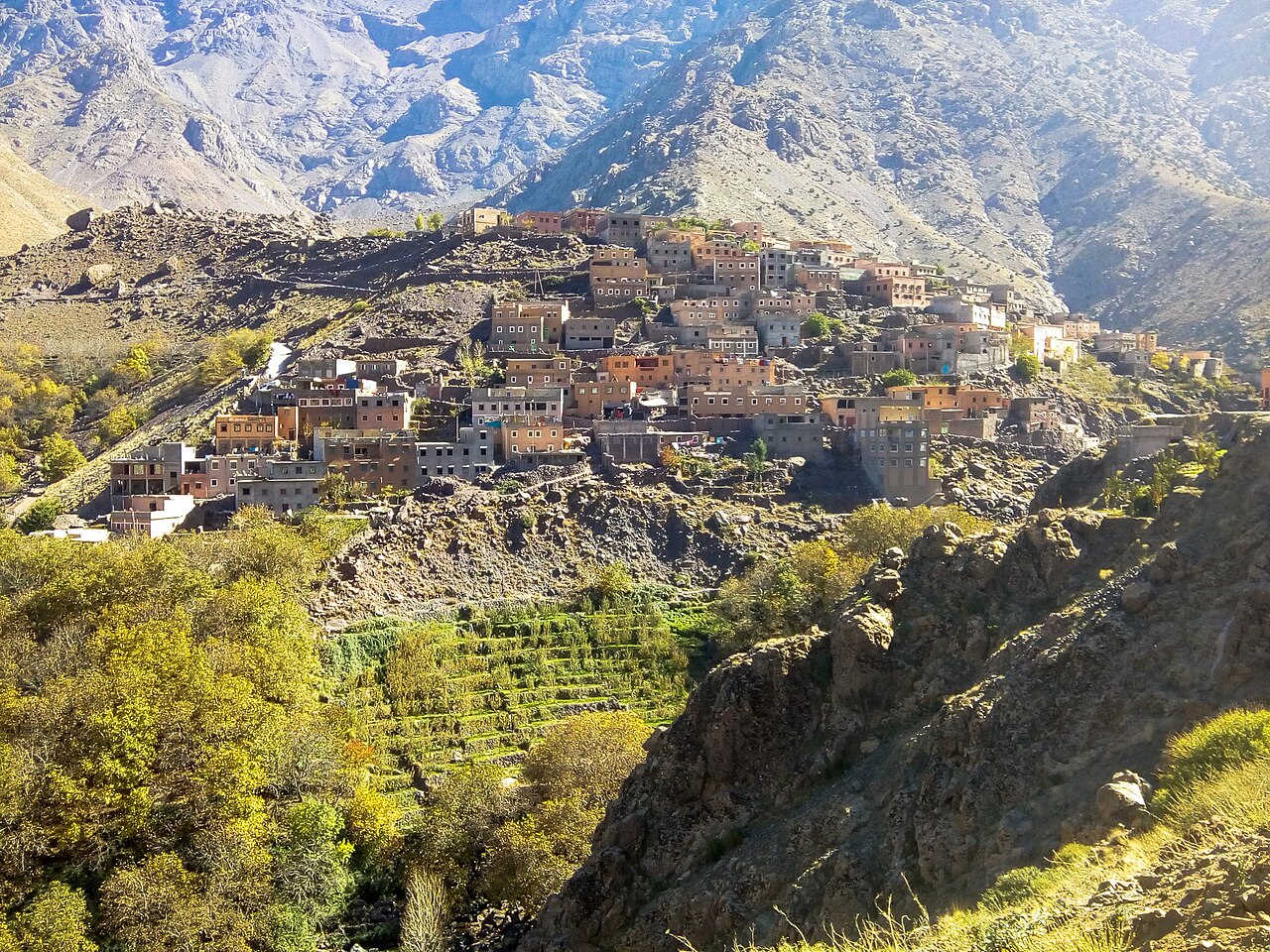
Atlas Mountains guided day trip · Morocco, Morocco
Leave Marrakech for a road-based journey through Atlas valleys, with a short optional walk and a hosted lunch. Choose it for changing landscapes and an introduction to the mountains, rather than a long trek.
Rosemary Marrakech · Medina, Marrakech, Morocco, Morocco
A five-room adults-only riad designed by LRNCE near Rue de la Bahia.