

Serengeti National Park · Tanzania, Tanzania
Serengeti National Park
Vast migration landscapes, apex predators, and one of Africa's strongest safari names.
Park and plains · Tanzania
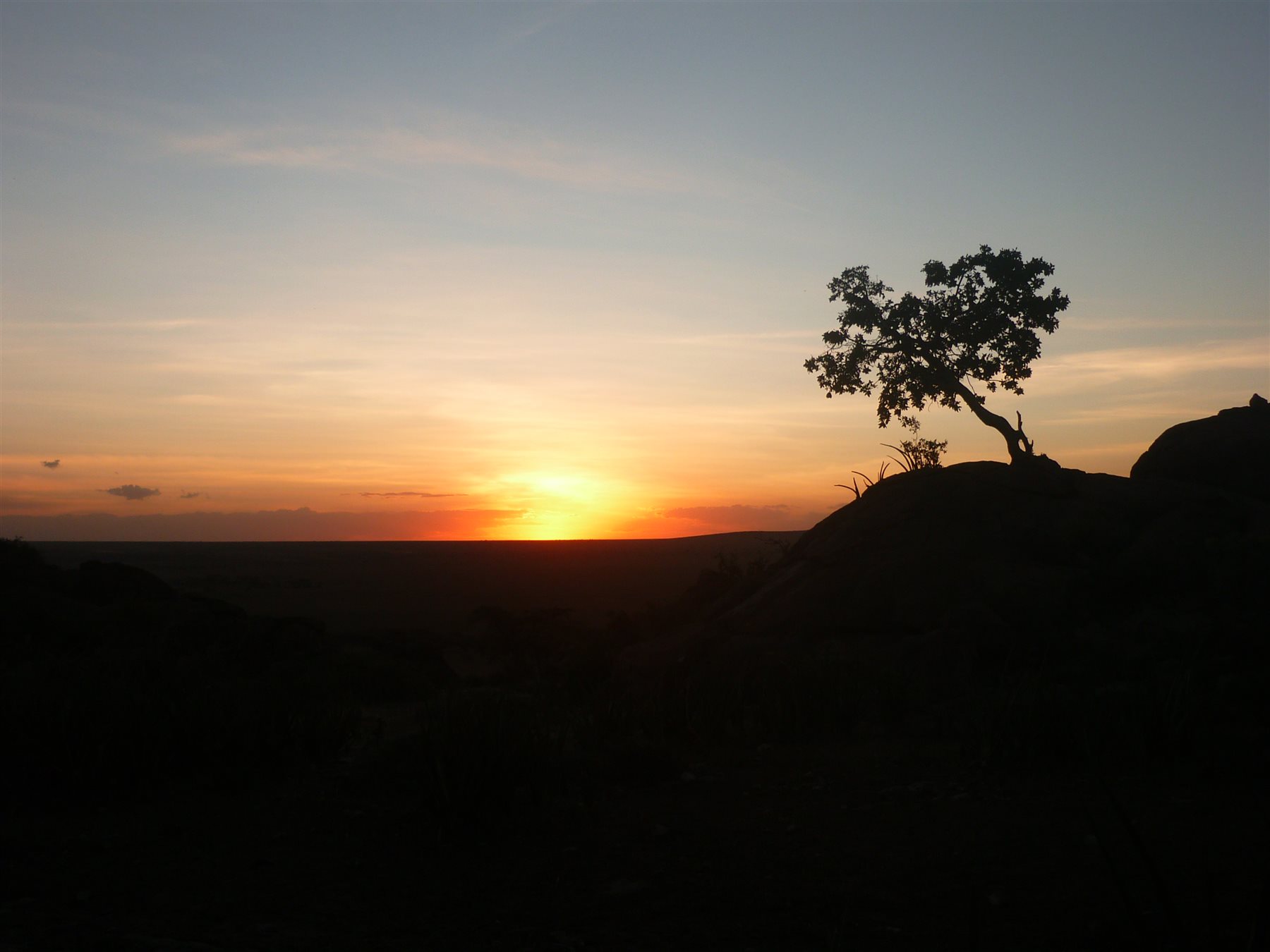
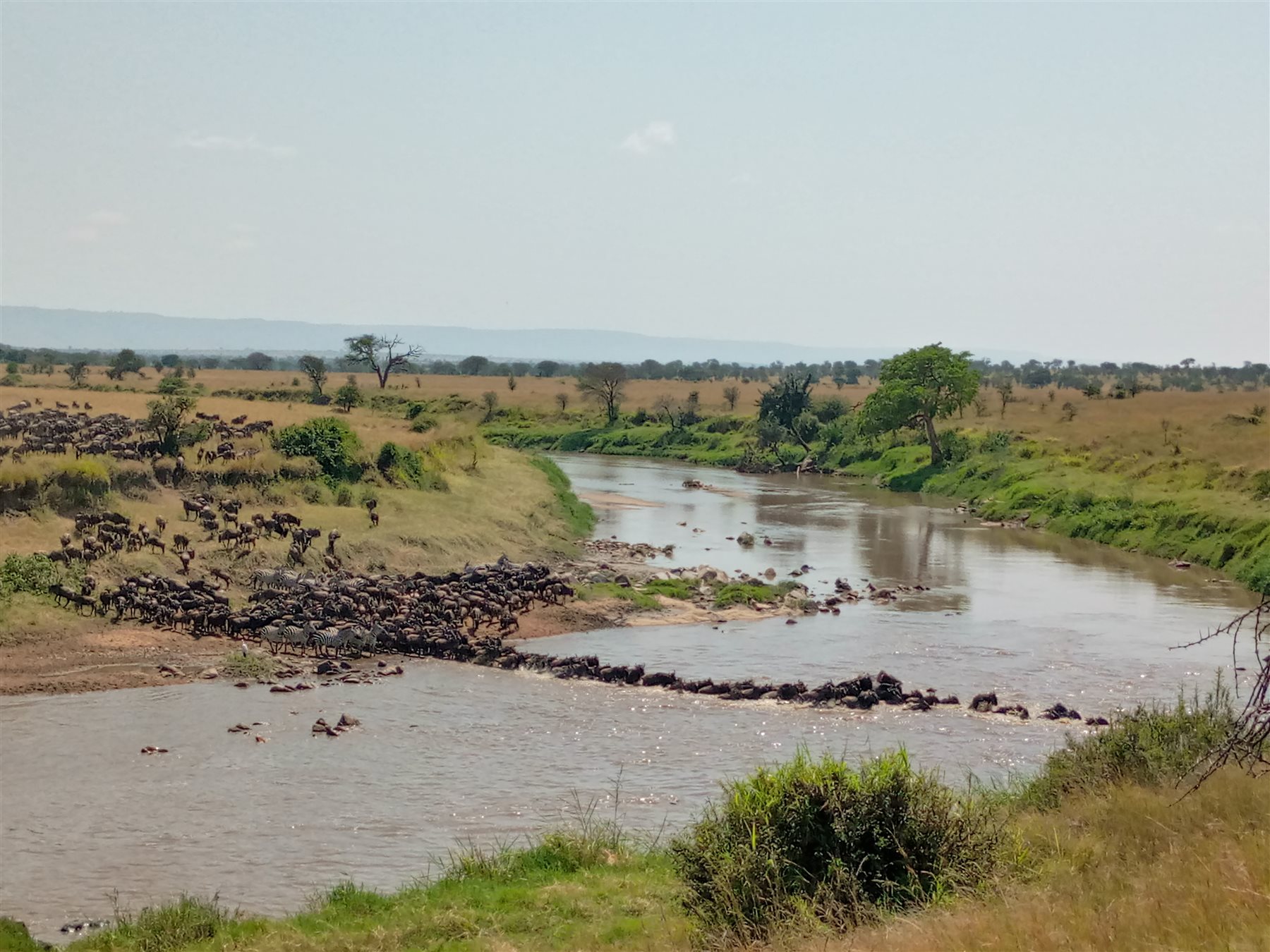
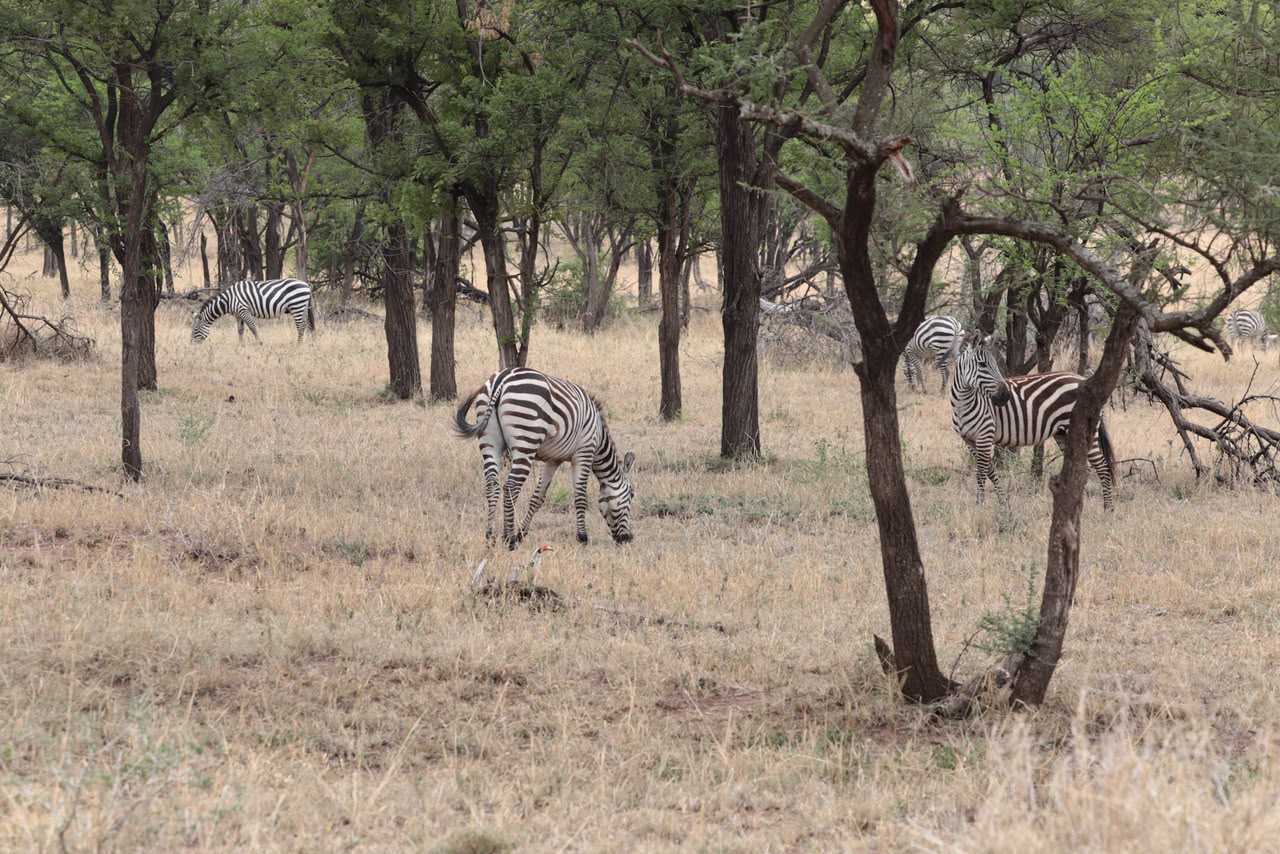
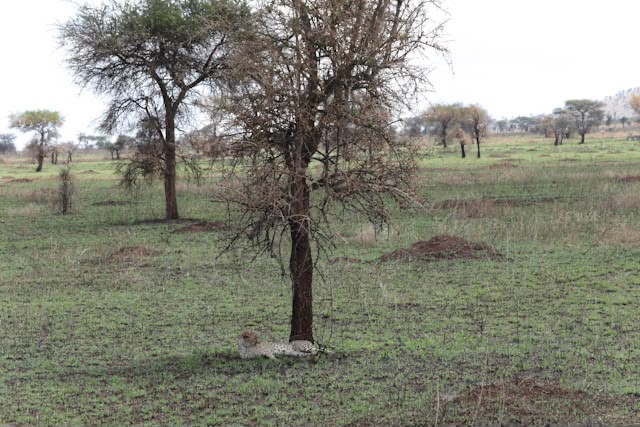
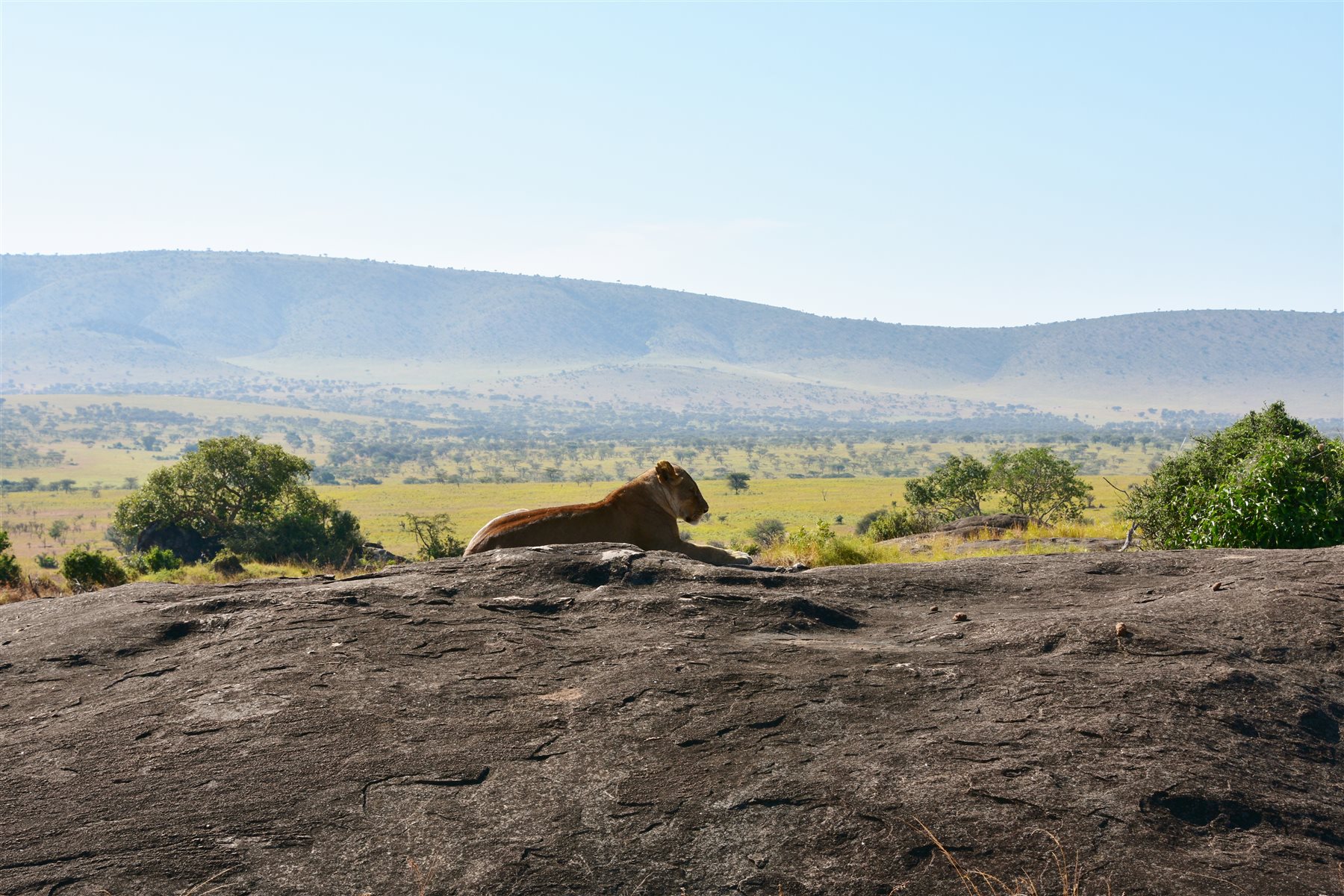
Plan a Serengeti stay around one region, the season you actually need, and the transfers that make the distances workable.
Serengeti National Park is a large, changing wildlife landscape rather than a single viewpoint, and UNESCO describes its 1.5 million hectares of savannah as the stage for the largest remaining unaltered animal migration on earth. Grasslands, river corridors, woodlands and rocky outcrops (kopjes) give different parts of the park their own character, so the real planning decision is which region, in which month, for how long.
The published Serengeti National Park attraction guide explains the park as a whole and its visitor activities. This guide helps you organize a stay inside or beside it: matching your base to the season you need, keeping the distances realistic, and separating what your camp charges from what the park, the airstrip and optional activities charge.
A visit does not need to chase the migration to succeed. Resident wildlife in the Seronera valley and the kopjes rewards a slower stay in any month, and UNESCO lists the park’s predator and ungulate populations among the highest concentrations in the world. Treat the movement of the herds as one interest among several, not the only measure of a good trip.
The park sits in northern Tanzania, and UNESCO records its property area as 1,476,300 hectares with Mara, Arusha and Shinyanga provinces around it. TANAPA identifies Arusha and Kilimanjaro as the principal planning gateways; from there, road itineraries and light-aircraft itineraries trade cost, time and baggage limits. The published attraction guide carries the transfer detail; confirm your final airstrip against your camp and book the last leg as its own step.
The Serengeti Serena Safari Lodge guide records an Arusha distance of 335 km by road and a Seronera airstrip 27 km from that lodge, with published check-in and check-out times. Use those figures as an example of why airstrip-to-camp distance matters, then confirm the numbers for your own dates. The published Serengeti balloon safari guide covers the launch-side logistics for an added excursion.
TANAPA highlights June to October for dry-season migration travel and January to February for calving interest, while location matters as much as the month: the herds move, and the same camp can be far from the action a brochure shows. UNESCO notes that only the Mara River flows perennially through the park, which shapes where wildlife concentrates in dry months. Ask your chosen camp about recent conditions and seasonal openings, and carry the same patience with river crossings as with the rest of the plan.
A workable first structure is several nights in one chosen area, adding a second only when the season or your interests justify the transfer. In your quotation, keep accommodation charges separate from park, concession, transport and optional activity charges, and check baggage limits for any light-aircraft sector.
Serengeti Serena Safari Lodge has its own full property guide on this site and is the published in-park stay; compare its room categories, published from-rates and what sits inside and outside the room rate directly with the operator. No verified booking link exists for that property yet, so treat any third-party booking route you find as unverified until the owner publishes one. The paired Tanzania insight explains how a Serengeti itinerary combines with Zanzibar without stealing days from the park.
Serengeti National Park · Tanzania, Tanzania
Vast migration landscapes, apex predators, and one of Africa's strongest safari names.
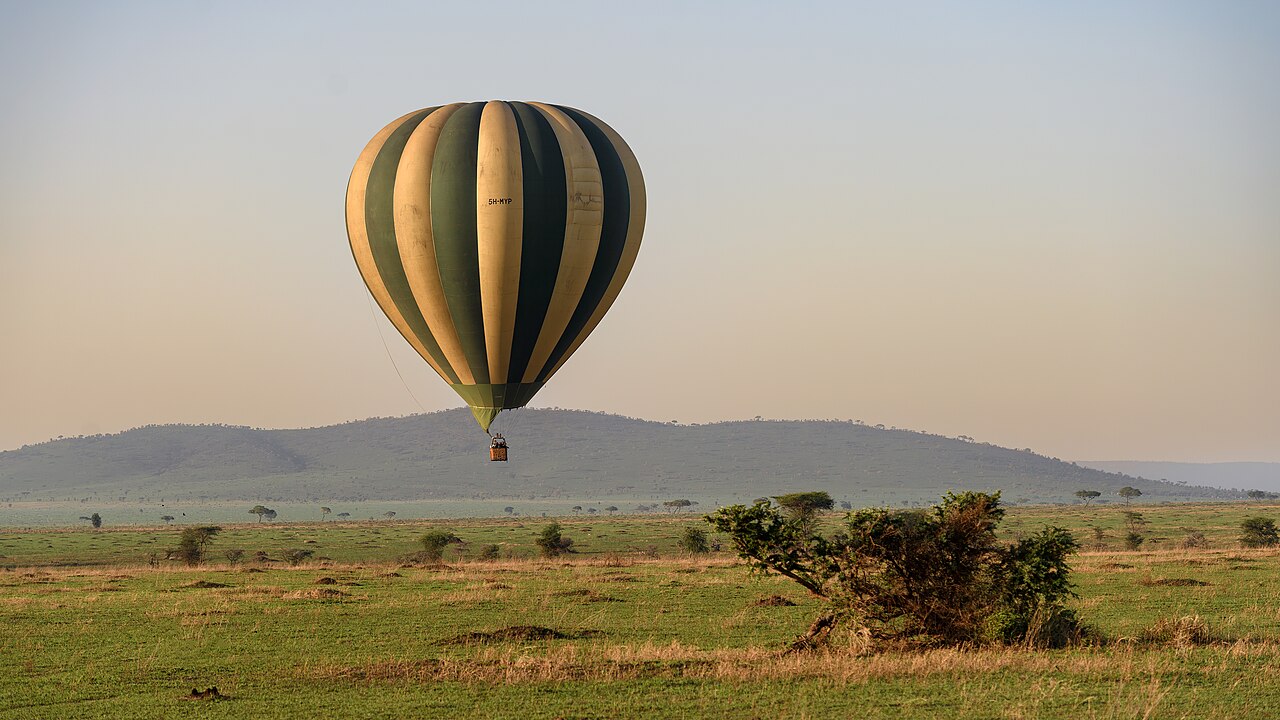
Serengeti balloon safari at dawn · Tanzania, Tanzania
A pre-dawn transfer leads to a roughly one-hour sunrise flight and bush breakfast; launch region, lodge pickup, park entry and weather arrangements must be confirmed for your itinerary.
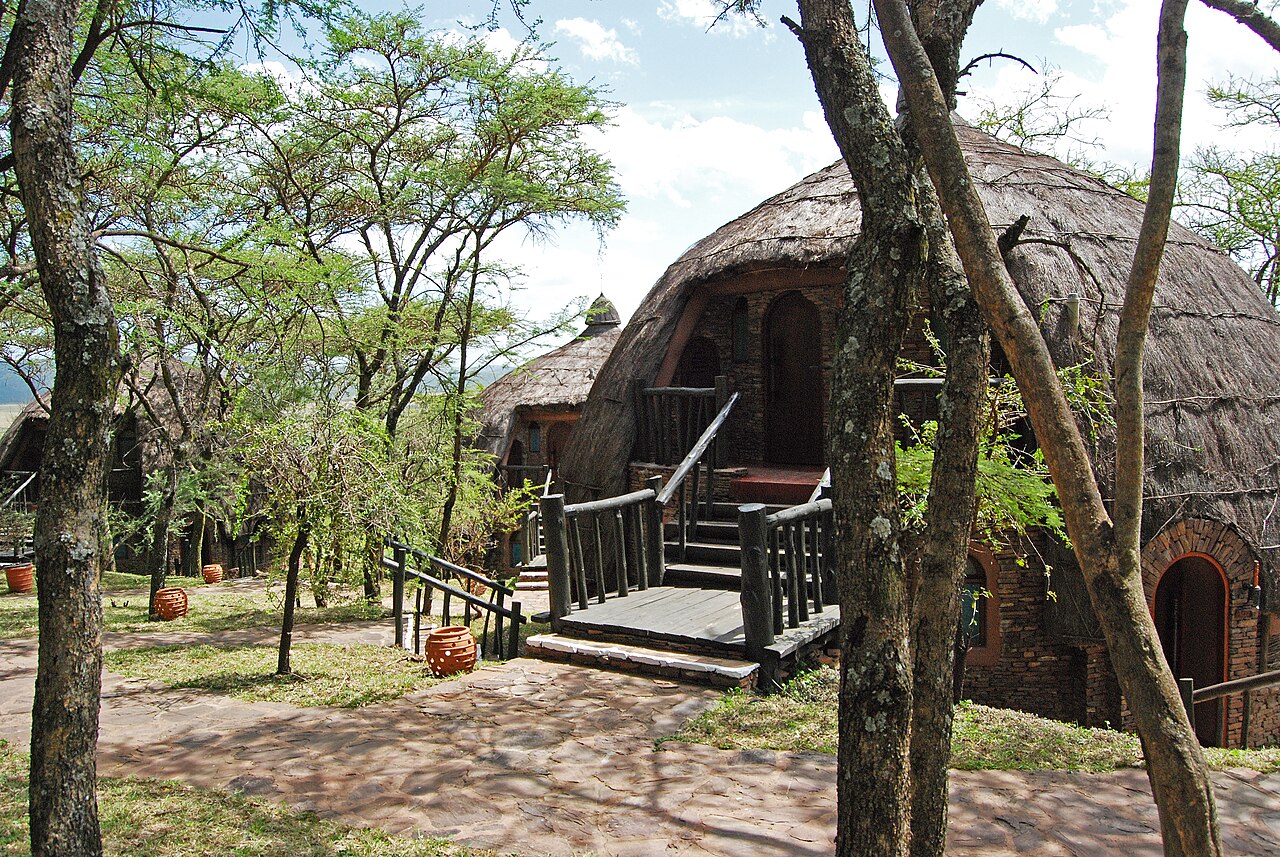
Serengeti Serena Safari Lodge · Serengeti National Park, Tanzania, Tanzania
A permanent rondavel-style lodge on a ridge above the Mbingwe Valley, with balconies, a shared infinity pool and 65 rooms plus a suite.
Serengeti safari and Zanzibar: connecting the two halves
Treat the mainland safari and the island stay as two separate chapters with their own gateways, packages and confirmations, then join them deliberately: direction, connection reality and a seasonal window that fits both.
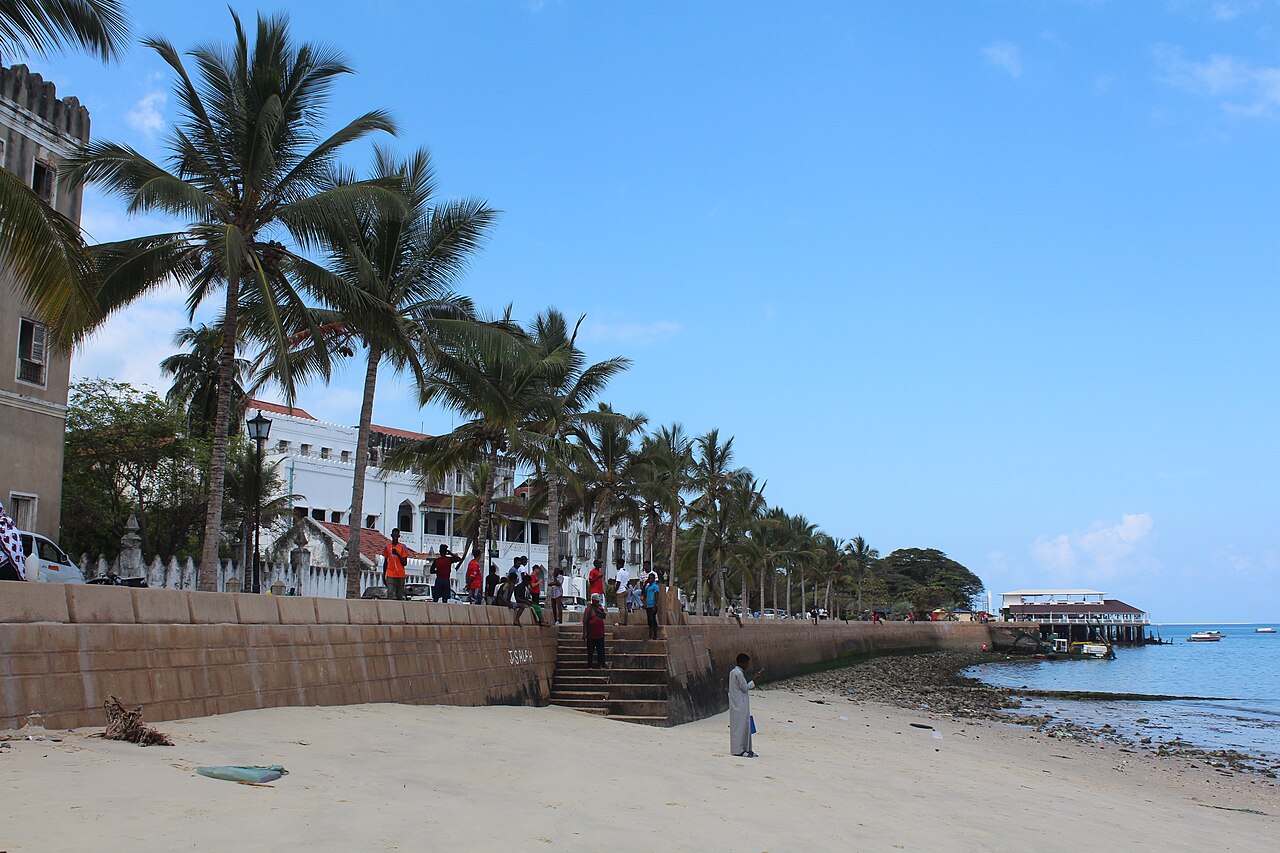
Unguja (Zanzibar Island) · Tanzania
Give Stone Town its own place in a Zanzibar island stay, then choose a coastal base that matches the experience you want.
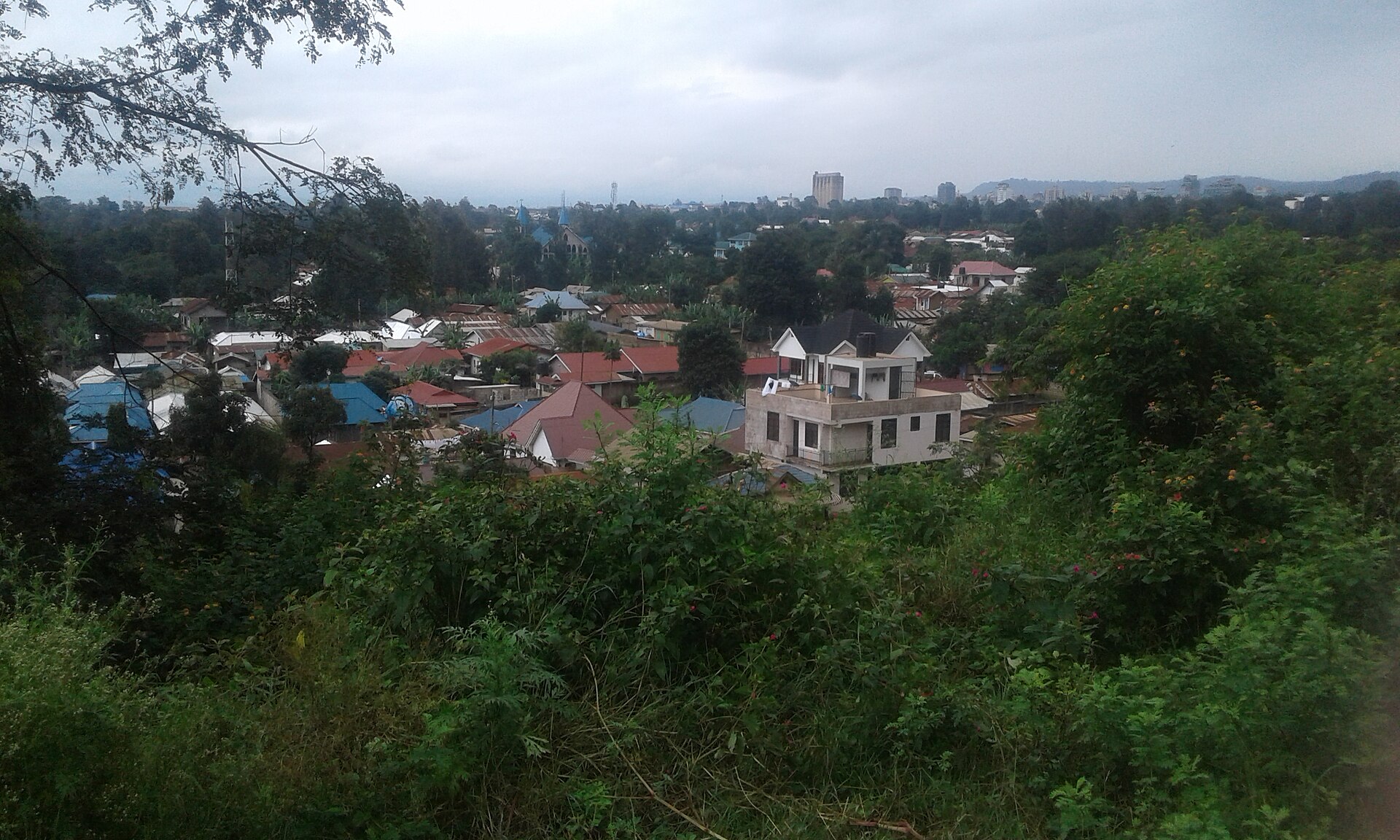
Arusha · Tanzania
A temperate highland city beneath Mount Meru, Arusha is the working gateway to Tanzania's northern safari circuit — Serengeti, Ngorongoro, Lake Manyara and Tarangire — and a base for Arusha National Park and Mount Meru.