

Kibale National Park · Western Uganda, Uganda
Kibale National Park
Plan a guided chimpanzee trek in Kibale’s rainforest, with time for the journey, changing forest conditions and a proper ranger briefing.
City · Uganda
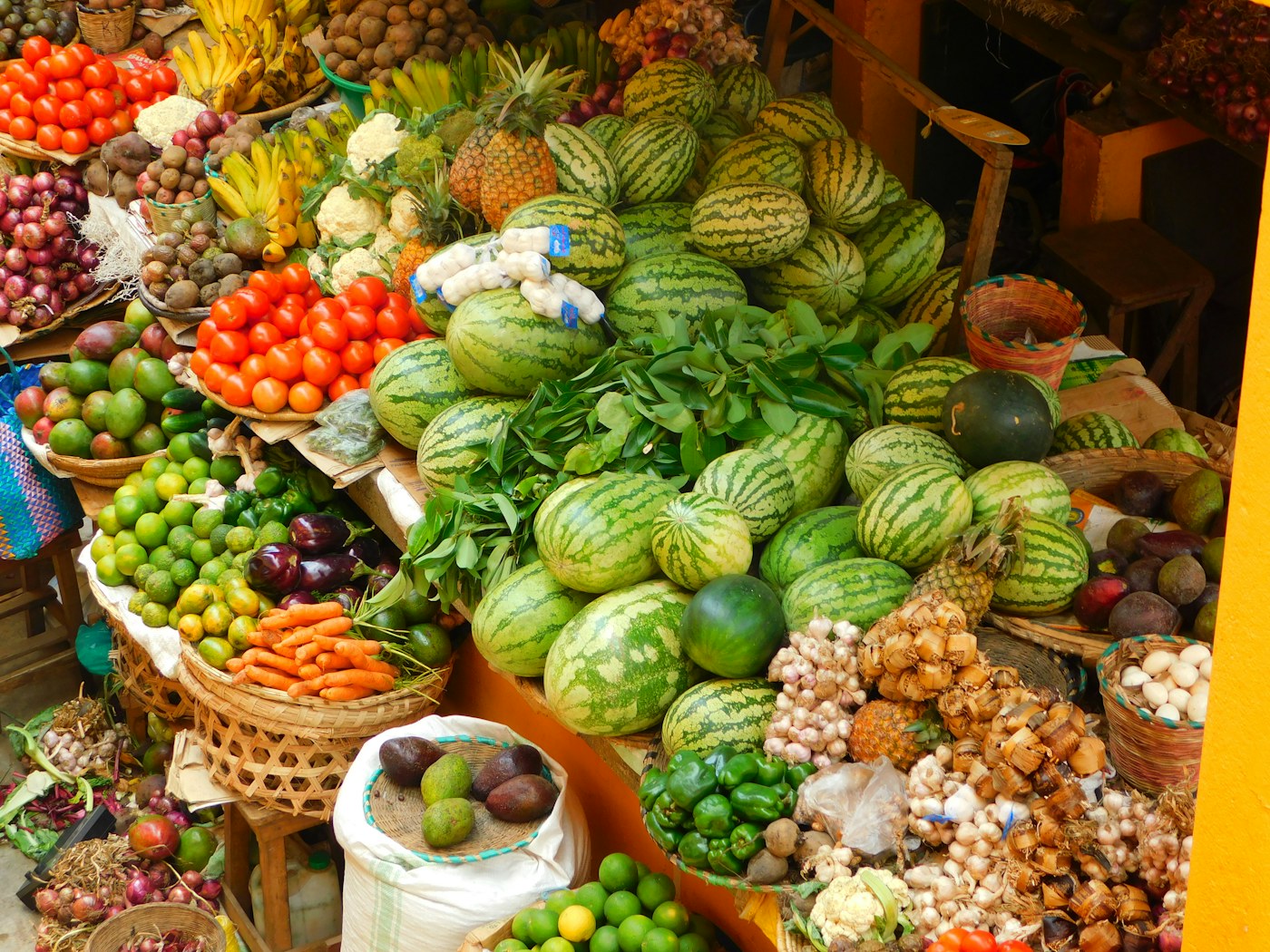
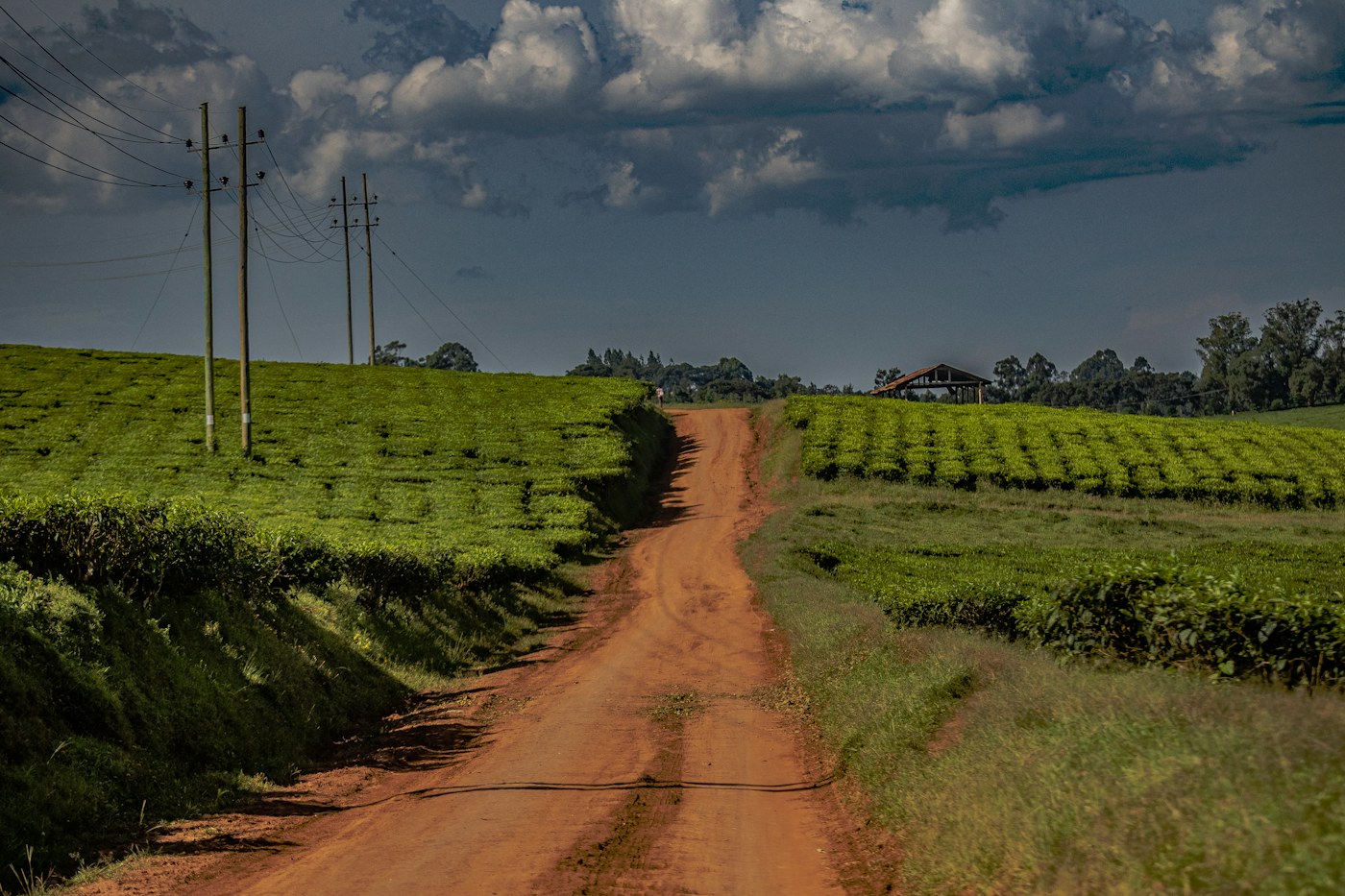
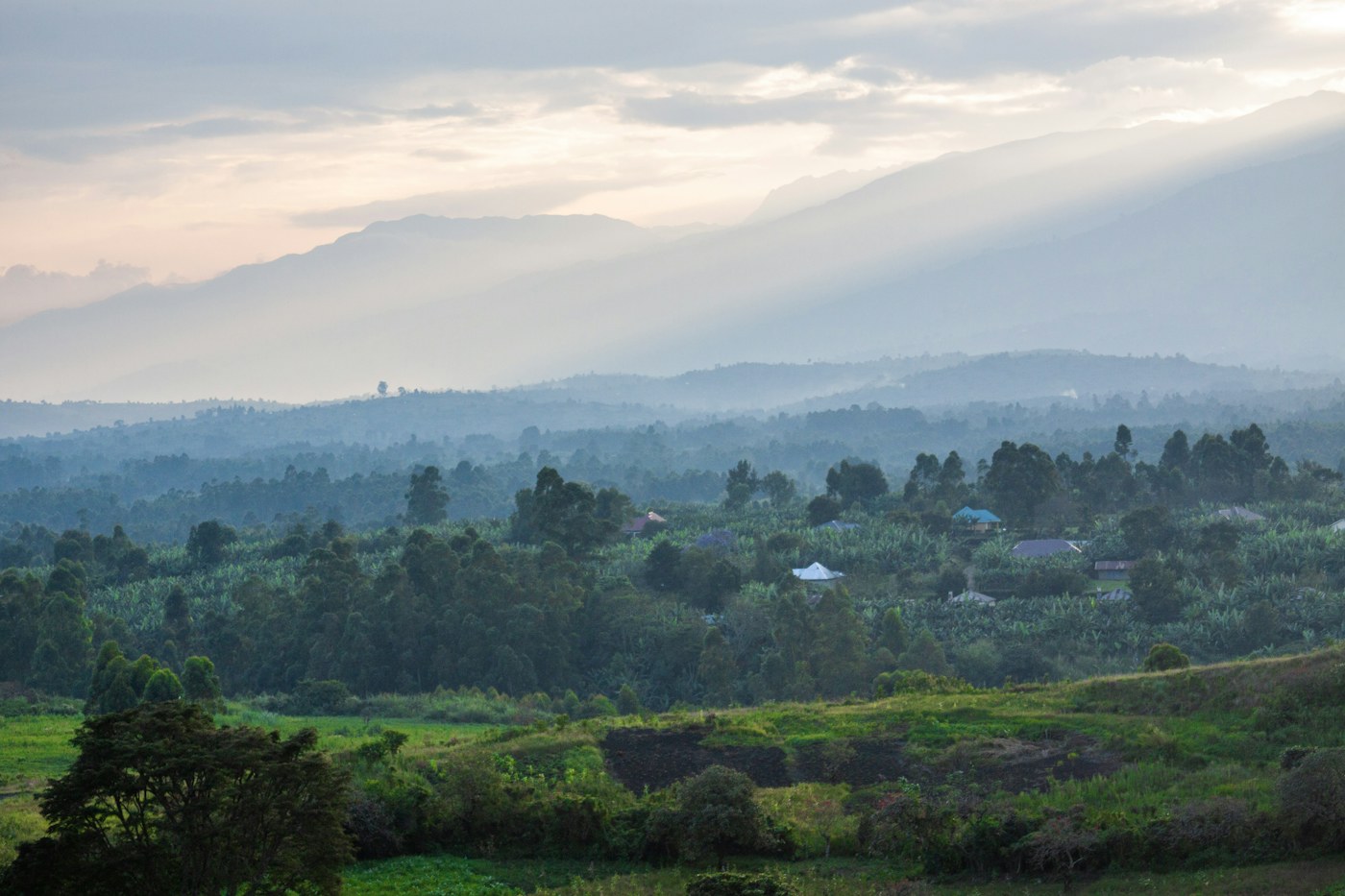
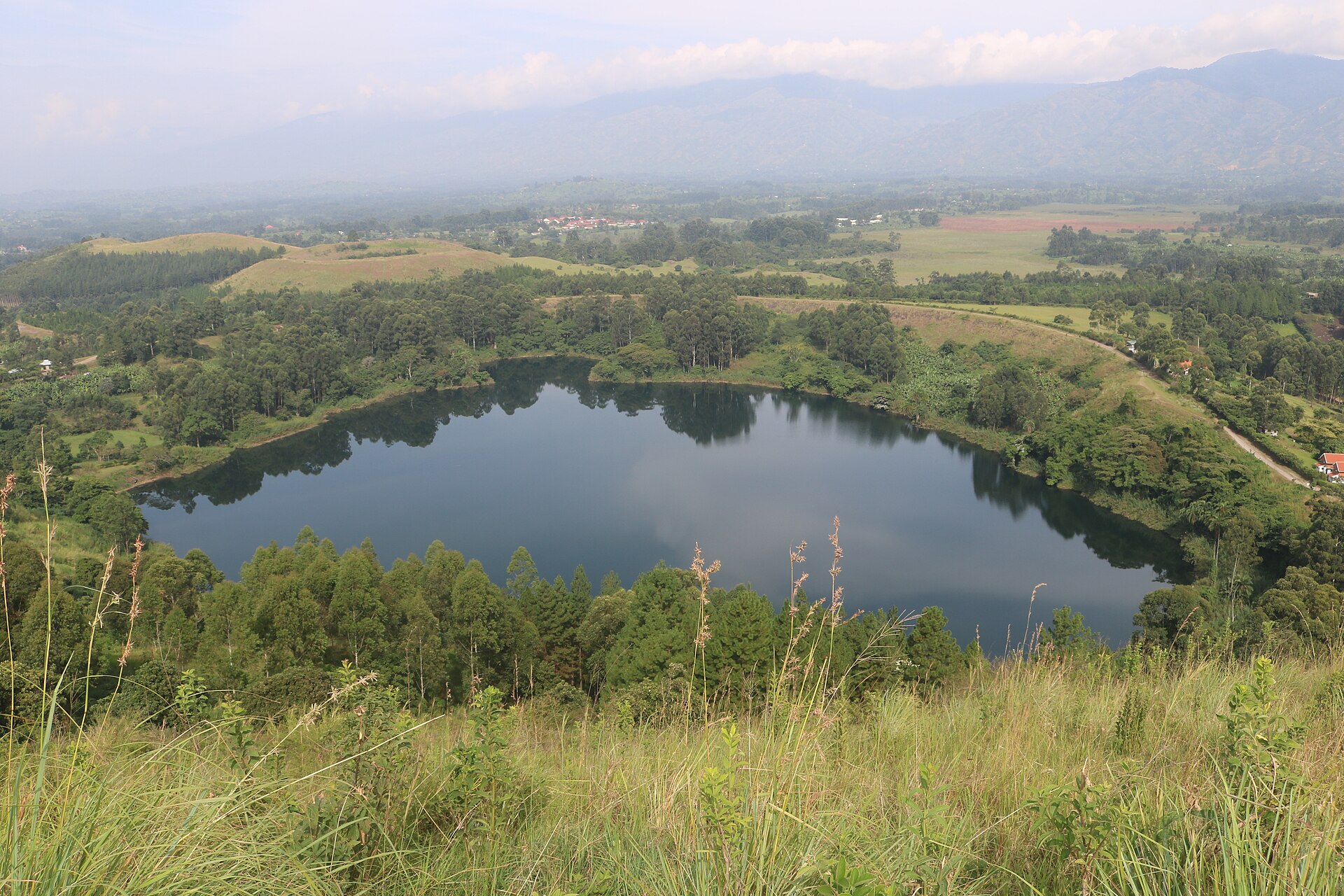
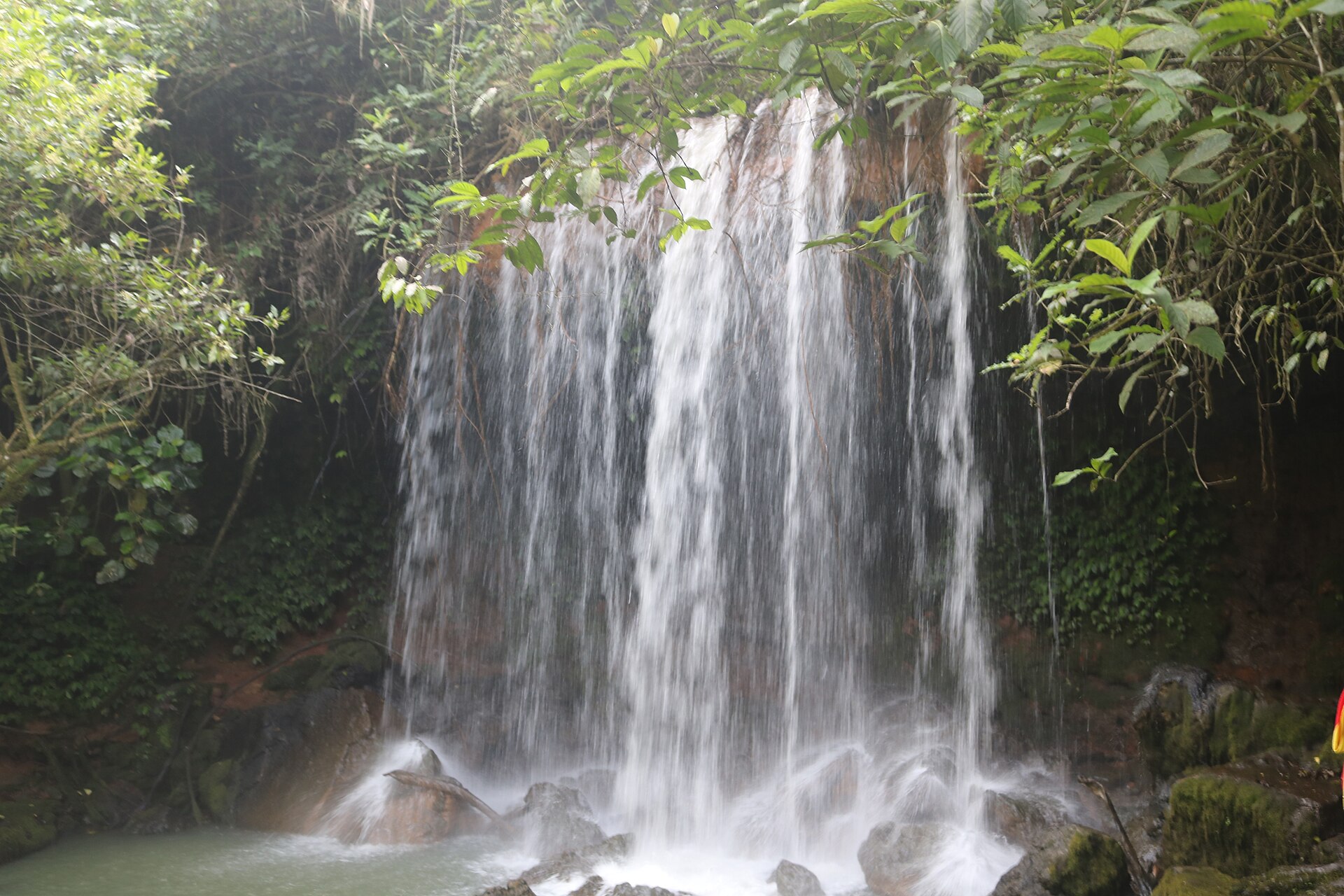
Use Fort Portal as a town base for Tooro heritage, crater-country walks, local food and a carefully paced journey to Kibale National Park.
Fort Portal is a regional city in western Uganda and the centre of the Tooro sub-region. Its role is more than a stop between Kampala and a national park: the city is an administrative and commercial hub, with living Tooro cultural institutions, a city tourism office, markets and access roads into the surrounding highlands. Fort Portal’s place in Uganda’s tourism identity is official, but its appeal is best understood through the mix of town life and day trips rather than as a single packaged attraction.
The city council identifies Karuziika Palace, Amabere Ga Nyinamwiru caves, nearby crater lakes, tea-growing landscapes and Kibale Forest among the visitor interests around Fort Portal. These places are spread across the wider area; a list on a map does not make them one walkable circuit. Use the city as a base, choose a couple of outings that fit your interests, and check current access with the responsible host before you set off.
Tooro heritage is living culture, not a performance available on demand. The council describes the palace as the seat of the Tooro Kingdom. Ask the city tourism office or a local guide what visitors may see and when, and follow directions about photography, ceremonies and spaces that are not open to the public. A conversation about local history is more useful when it comes from a willing host than from treating community life as a spectacle.
Travel to Fort Portal by road from Kampala on the Kampala–Fort Portal route, confirming your departure point, operator, schedule, luggage rules and arrival transfer before booking. Uganda Wildlife Authority’s current Kibale guidance describes the fully surfaced Kampala–Fort Portal highway and gives an indicative six-hour road journey to Kibale National Park; it says the park is about a further hour from Fort Portal. That is a park access estimate, not a guaranteed city-to-city travel time. Leave a buffer for traffic, weather and the road beyond town. UWA also mentions charter flights to Fort Portal; confirm that a suitable charter is actually operating for your dates, as this is not presented as a regular commercial service.
For crater-lake and cave visits, arrange a local driver or guide who can identify the exact access point and return plan. Fort Portal City Council lists Amabere Ga Nyinamwiru about 7 km from town, but ask about the current route, entry arrangements and ground conditions. Do not assume a park-area lodge or a distant lake is a central-city stay.
Plan for the particular outing rather than relying on a fixed dry-season promise. Uganda’s Department of Meteorological Services identifies March–May and September–December as the country’s main rainfall seasons. Its September 2026 seasonal outlook expected near-normal to above-normal rainfall in western Uganda for the September–December period; this is a time-limited forecast, not a year-round climate guarantee. Rain can alter road and path conditions, especially around outdoor walks. Check the current district and short-range forecast before departure, allow flexibility in the itinerary, and ask your guide whether a crater or cave outing is suitable that day.
Kibale National Park · Western Uganda, Uganda
Plan a guided chimpanzee trek in Kibale’s rainforest, with time for the journey, changing forest conditions and a proper ranger briefing.
Mountains of the Moon Hotel · Plot 29-33 Rukidi III Street, Fort Portal, Western Region, Uganda, Uganda
A historic city hotel on 15 acres of gardens with Rwenzori Mountain views, serving as a Fort Portal base for Tooro heritage and Kibale National Park.
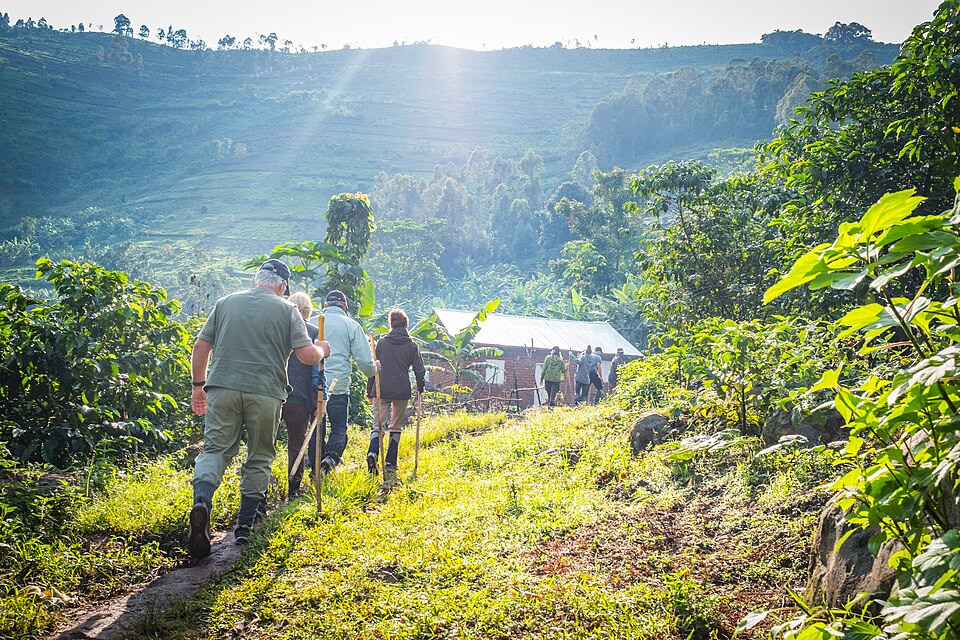
Buhoma · Uganda
Plan a northern Bwindi stay around your trekking sector, with time for forest walks and community-led experiences near Buhoma.
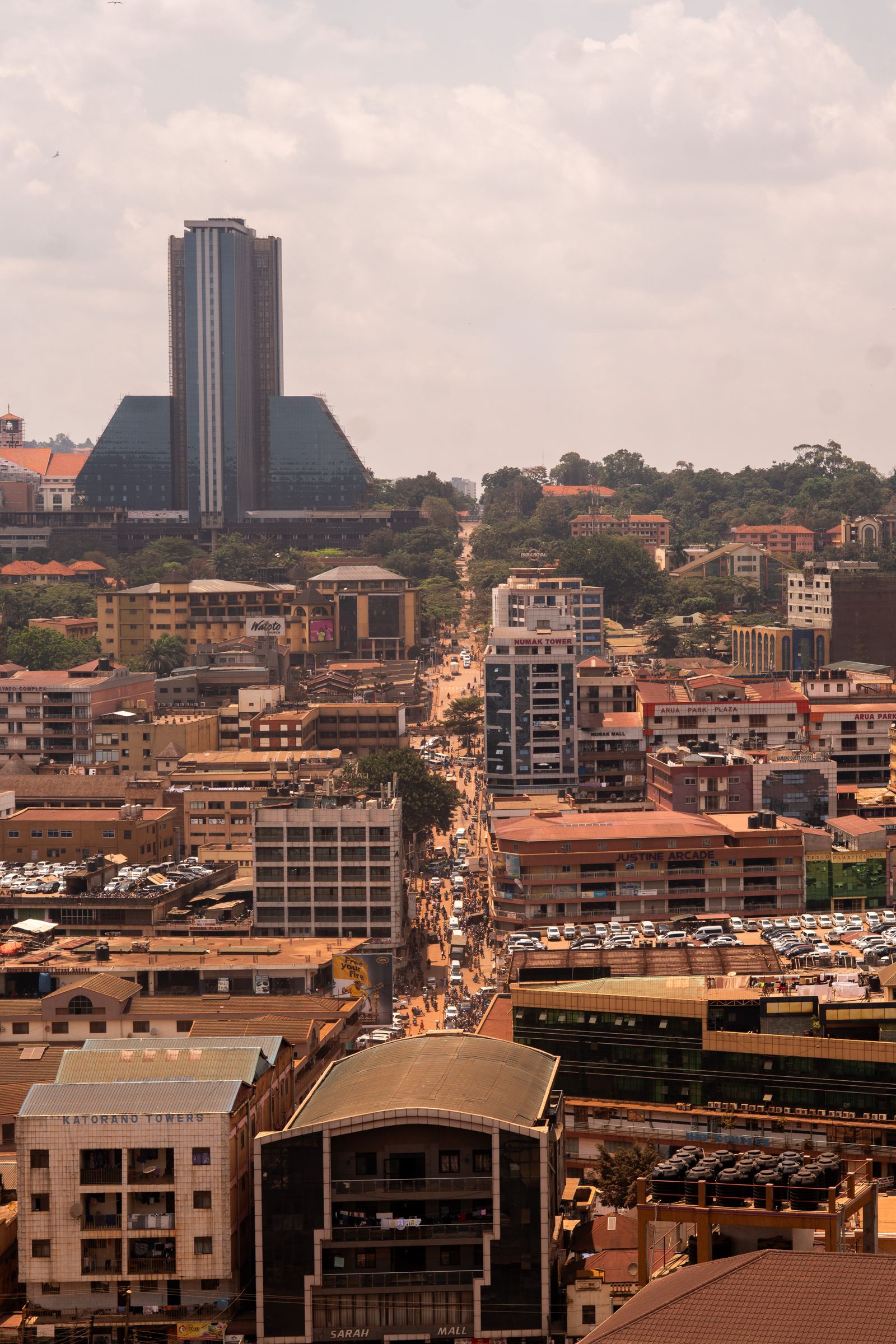
Kampala · Uganda
Use Kampala for Buganda heritage, living city culture and a measured start or finish to a Uganda route; group visits by area and leave room for traffic.