Find inspiration, discover attractions, destination guides, and stays across Africa

Capital city · Uganda

Kampala: plan the city by neighborhood and purpose

Use Kampala for Buganda heritage, living city culture and a measured start or finish to a Uganda route; group visits by area and leave room for traffic.

Explore Kampala

Kampala is Uganda’s capital and a useful place to understand the country beyond its national parks. Its identity is closely connected to Buganda, while the city is also a national centre where many communities, faiths and food traditions meet. Rather than trying to collect landmarks in one rushed circuit, choose a few places with distinct stories and give each the time and respect it deserves.

The Kasubi Royal Tombs are a meaningful starting point for Buganda history. The tombs are a UNESCO World Heritage property and a royal burial place; they are a living cultural and spiritual site, so follow the guidance of custodians and ask before taking photographs. The Buganda Kingdom's official visitor information says the sacred site welcomes respectful visitors, but confirm current admission, hours and any ceremony-related access directly before setting out. Kampala’s places of worship span several faiths, including the Baha’i House of Worship, the Uganda National Mosque and historic Christian cathedrals. Visit as a guest: check access in advance, dress modestly and avoid interrupting prayer or ceremonies.

The Uganda National Museum would normally add national cultural and natural-history context, but its official portal currently says it is temporarily closed for renovations. Do not build a fixed itinerary around it until the museum confirms reopening. In the meantime, the city’s markets, galleries, performances and food give a broader sense of contemporary Kampala; choose venues directly and treat them as working community spaces, not staged attractions.

Highlights

  • Buganda royal heritage at Kasubi, with respectful site etiquette
  • A range of active religious and cultural institutions
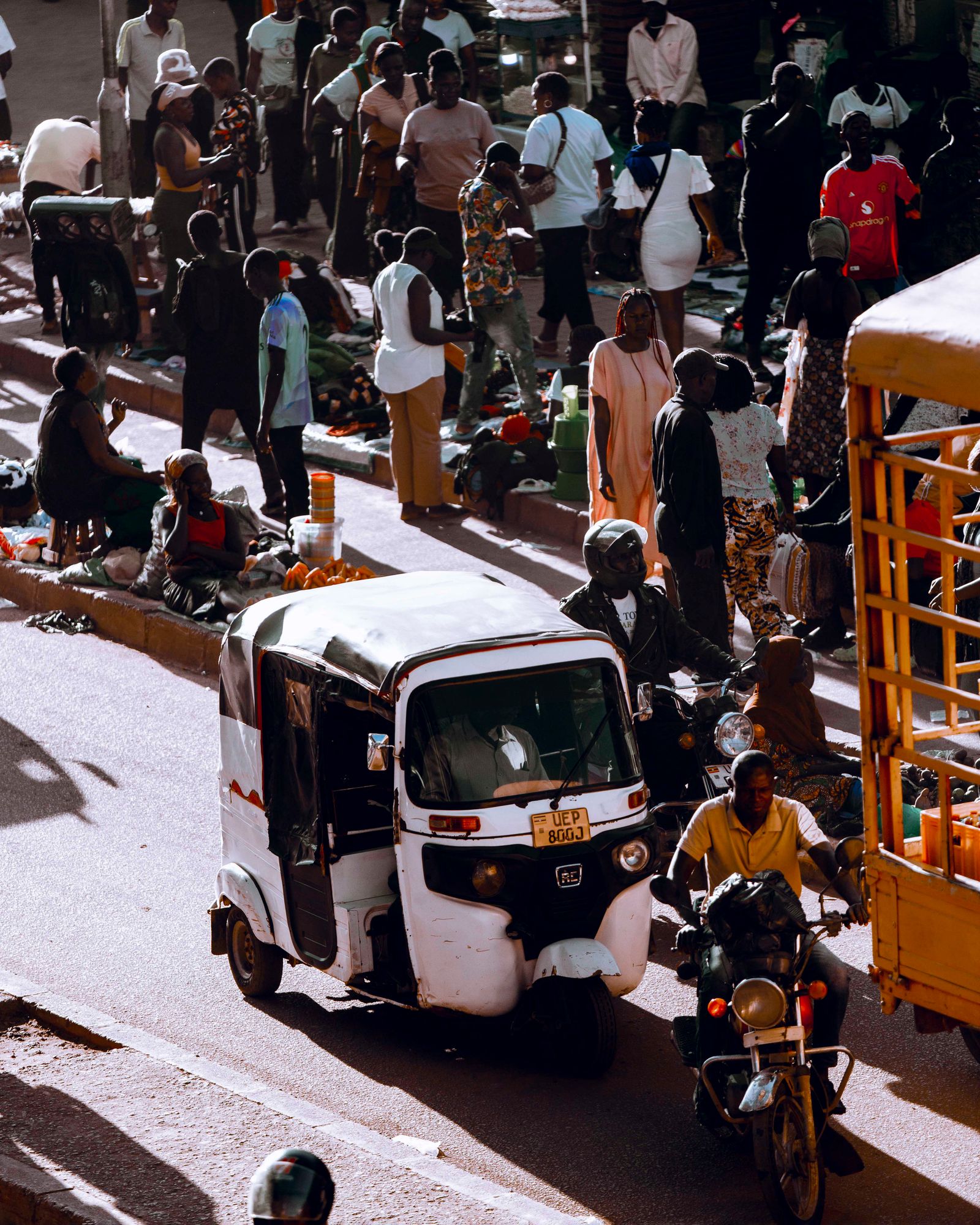
  • Markets, food and performing arts across a working capital
  • A flexible stop before or after a longer Uganda overland route

Getting there and around

Entebbe International Airport serves Kampala and lies outside the city. The Kampala–Entebbe Expressway is a toll road linking the airport with the capital, but the city transfer still depends on traffic, your destination and the time of day. Arrange a pickup with your accommodation or a transport provider, agree the meeting point and confirm how toll charges are handled. Do not plan a tight onward connection from a map estimate.

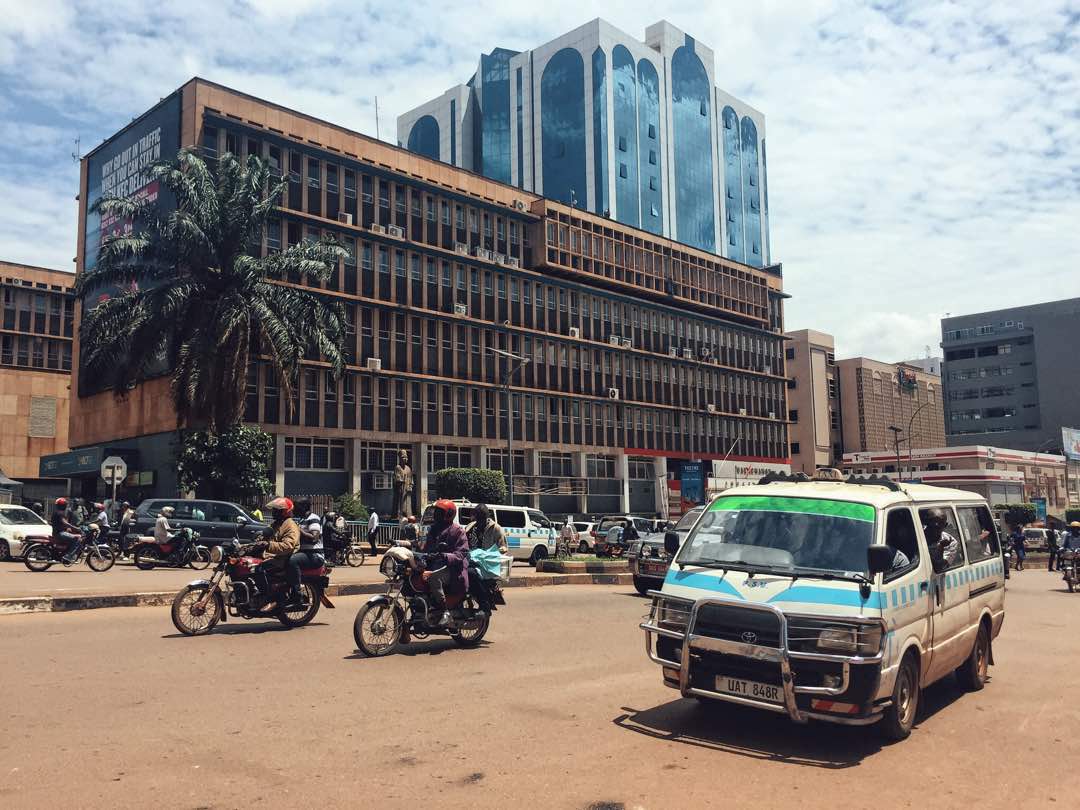
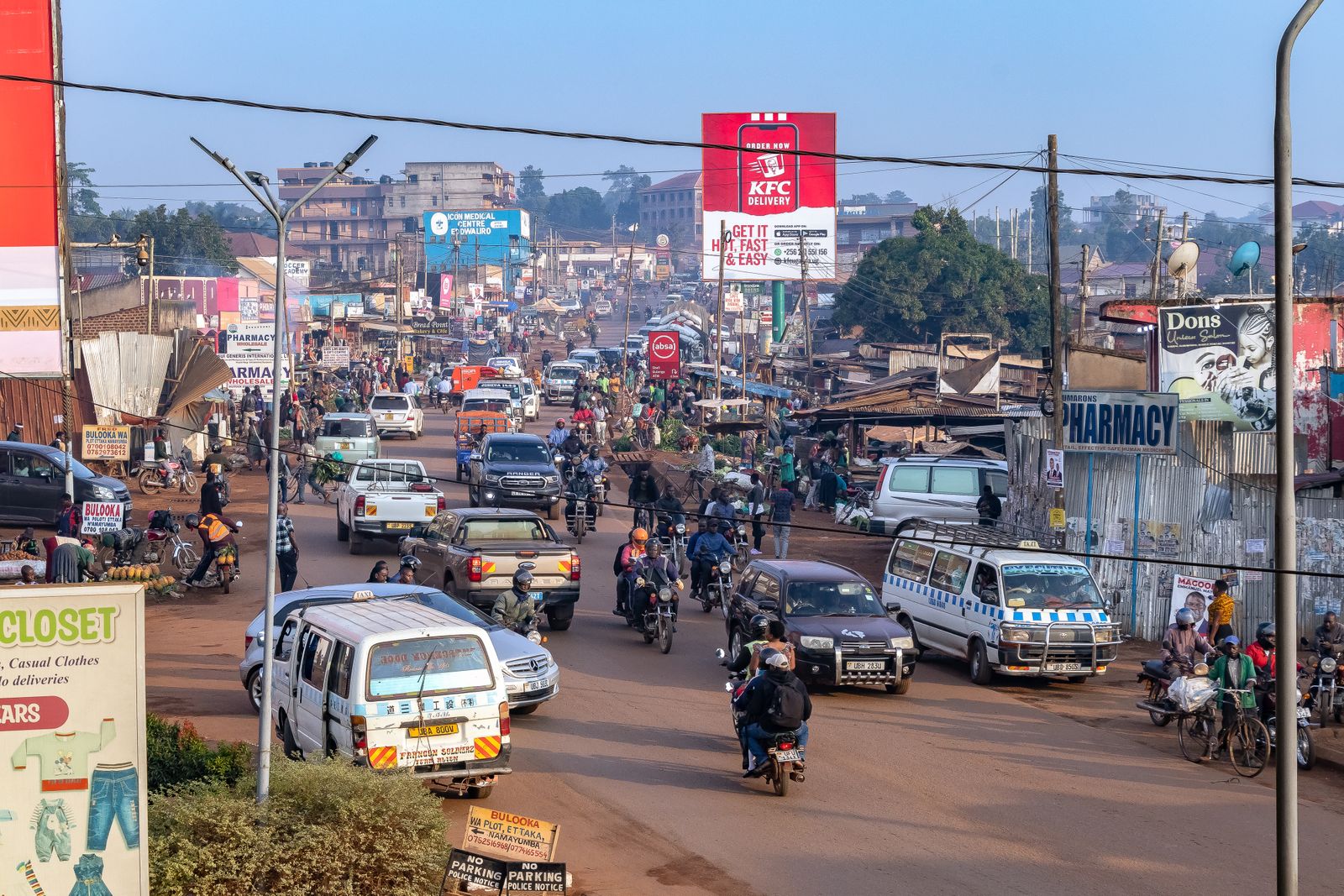
Inside Kampala, group visits by area. Ask your accommodation to arrange transport for the day, confirm the pickup location for each site and establish a return plan before setting out. Build the route around the actual sites you plan to visit, rather than assuming that nearby-looking stops share an easy transfer. If you use a local minibus or motorcycle taxi, understand the route and safety tradeoffs first; official UK travel advice cautions against both, and recommendations vary by traveller and provider.

For a wider Uganda trip, treat Kampala as a gateway rather than a day-trip base for distant parks. Confirm the actual departure point, overnight stops and current route with your operator before committing to the next leg.

Best time to visit

Kampala can be visited throughout the year, but rain can slow road transfers and make walking between stops less comfortable. Uganda’s Ministry of Water and Environment describes March–May and September–December as the country’s main rainfall periods, with local variation; its September–December 2026 outlook anticipated near-normal to above-normal rain in much of the country. Check the current forecast close to travel rather than relying on a fixed dry-season promise.

For a city-focused visit, the practical choice is often the date that gives you time to move at an unhurried pace. In wetter periods, keep an indoor cultural option and add extra transfer flexibility. Around public holidays or large religious events, confirm site access and road arrangements directly. Martyrs Day is normally marked on 3 June and Namugongo can draw large pilgrimage crowds when celebrations proceed; check the current programme and local advice before planning a visit around that date.

Planning your stay

For a first visit, allow two or three nights if you want both heritage and unstructured city time. One day could focus on Kasubi and nearby western-city stops; use another for a prearranged visit to a place of worship or cultural venue and an evening meal. Add time for a guided walk or market visit only when the organizer explains the route, duration, group size and photography expectations. This is suggested pacing, not a prescribed tour. Namugongo lies beyond the central sightseeing area, so plan it as its own outing rather than squeezing it between nearby stops.

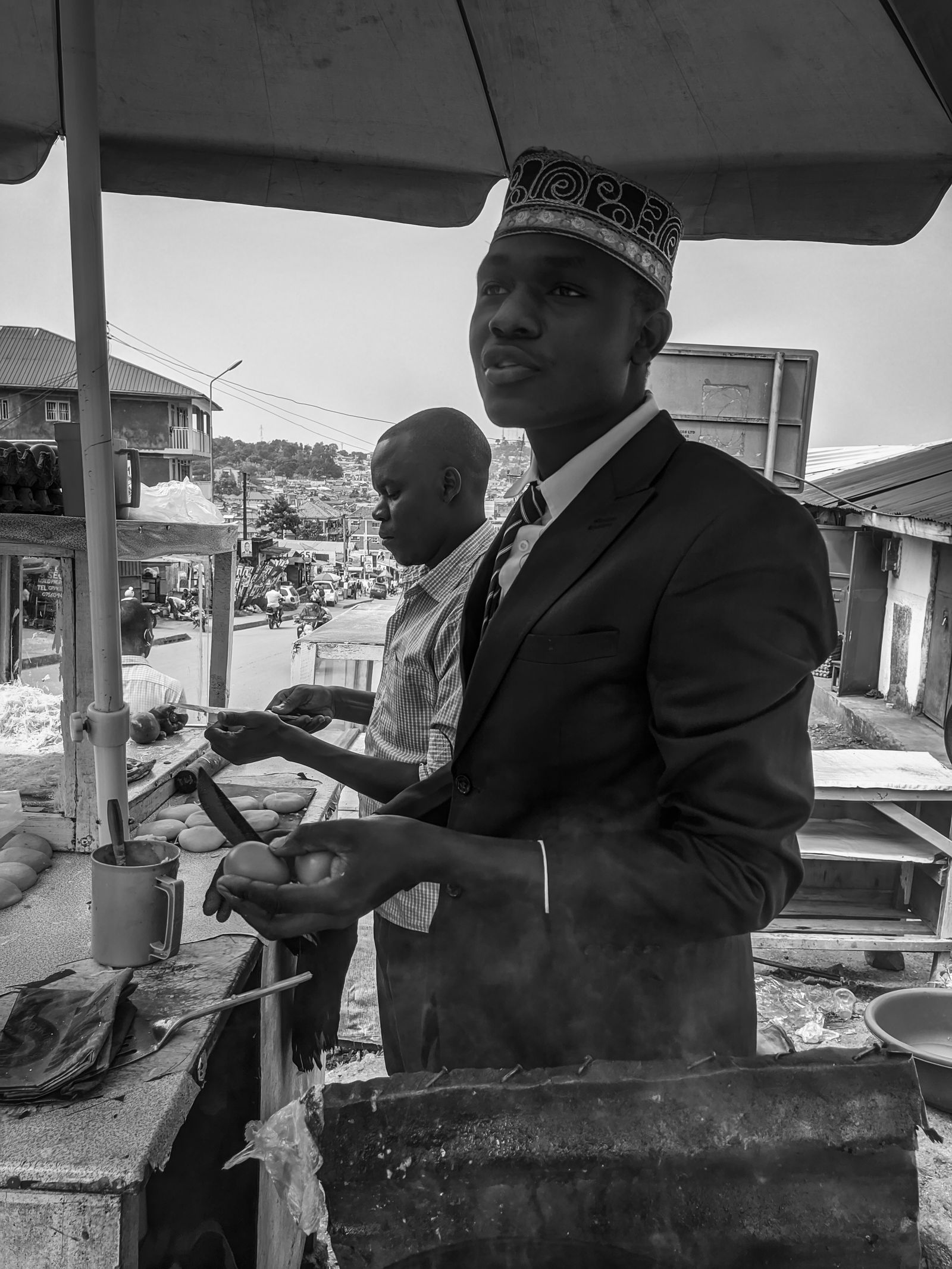
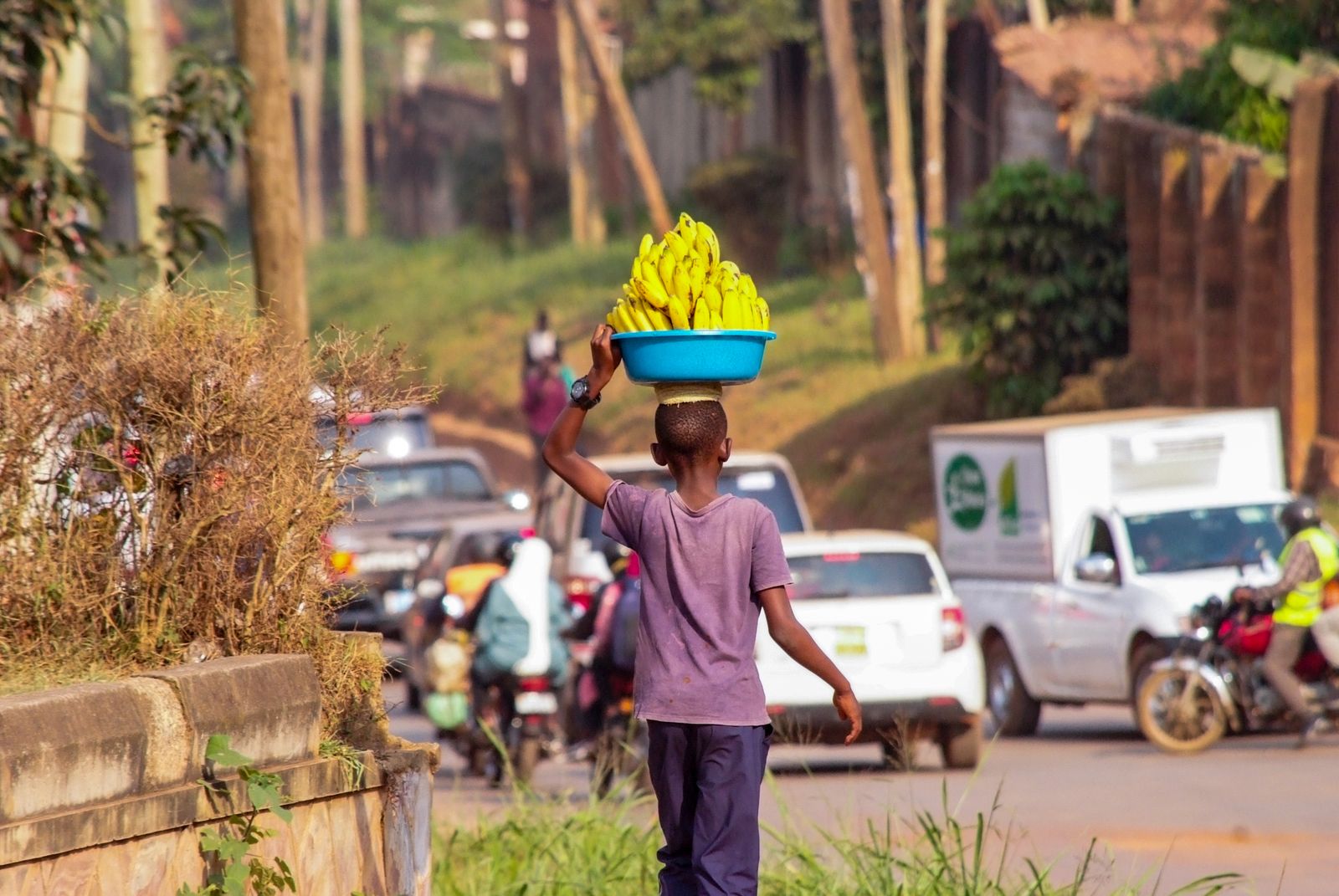
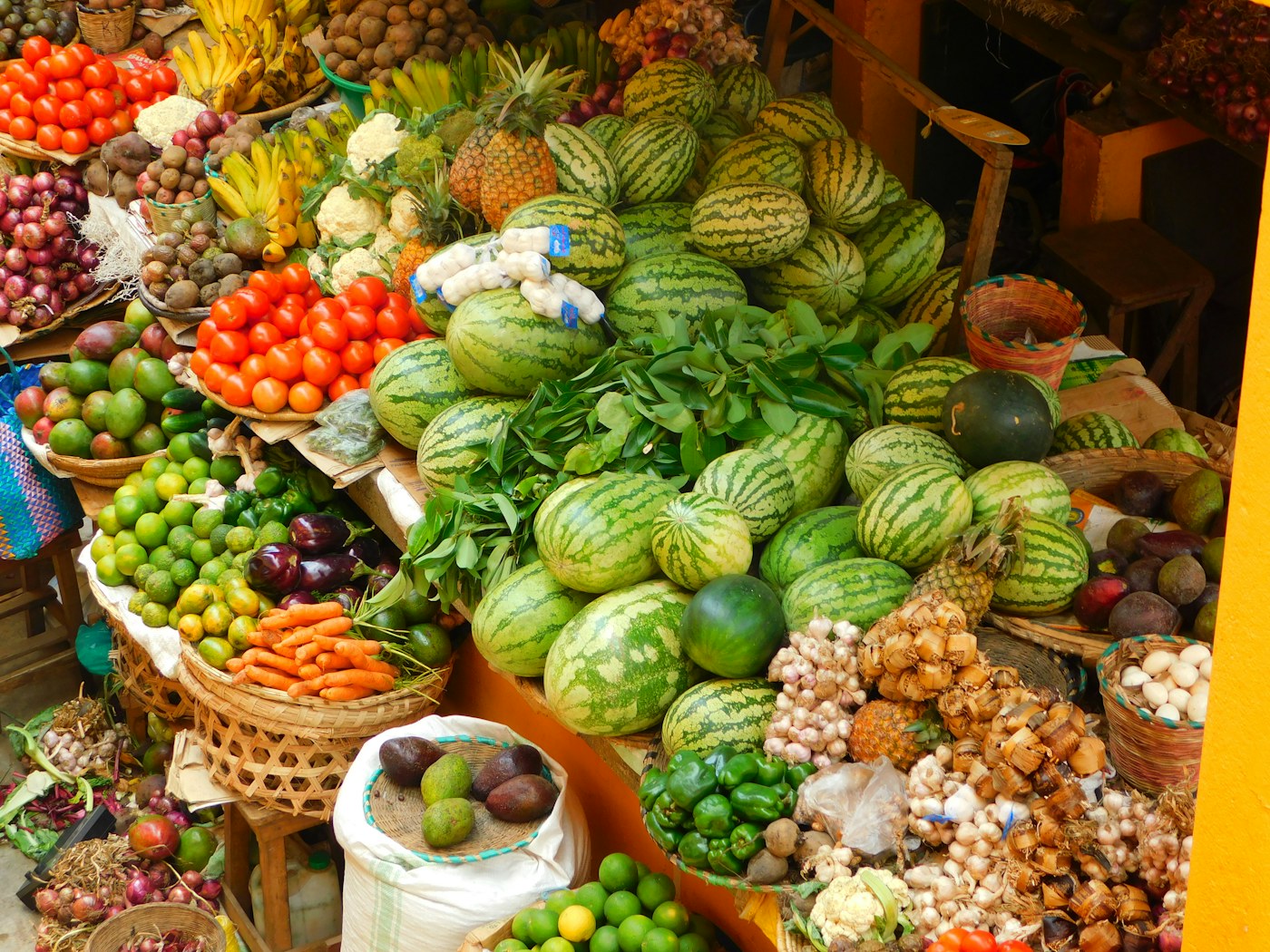
Make food part of the plan. Ask for matooke or luwombo at a restaurant that serves Ugandan dishes, and check ingredients if you have dietary needs. Kampala's official city portal lists dining options; choosing a restaurant close to your other plans reduces unnecessary cross-city transfers. Markets are places of work: ask before photographing vendors or customers, do not block trading areas, and agree any guided visit with a named local host.

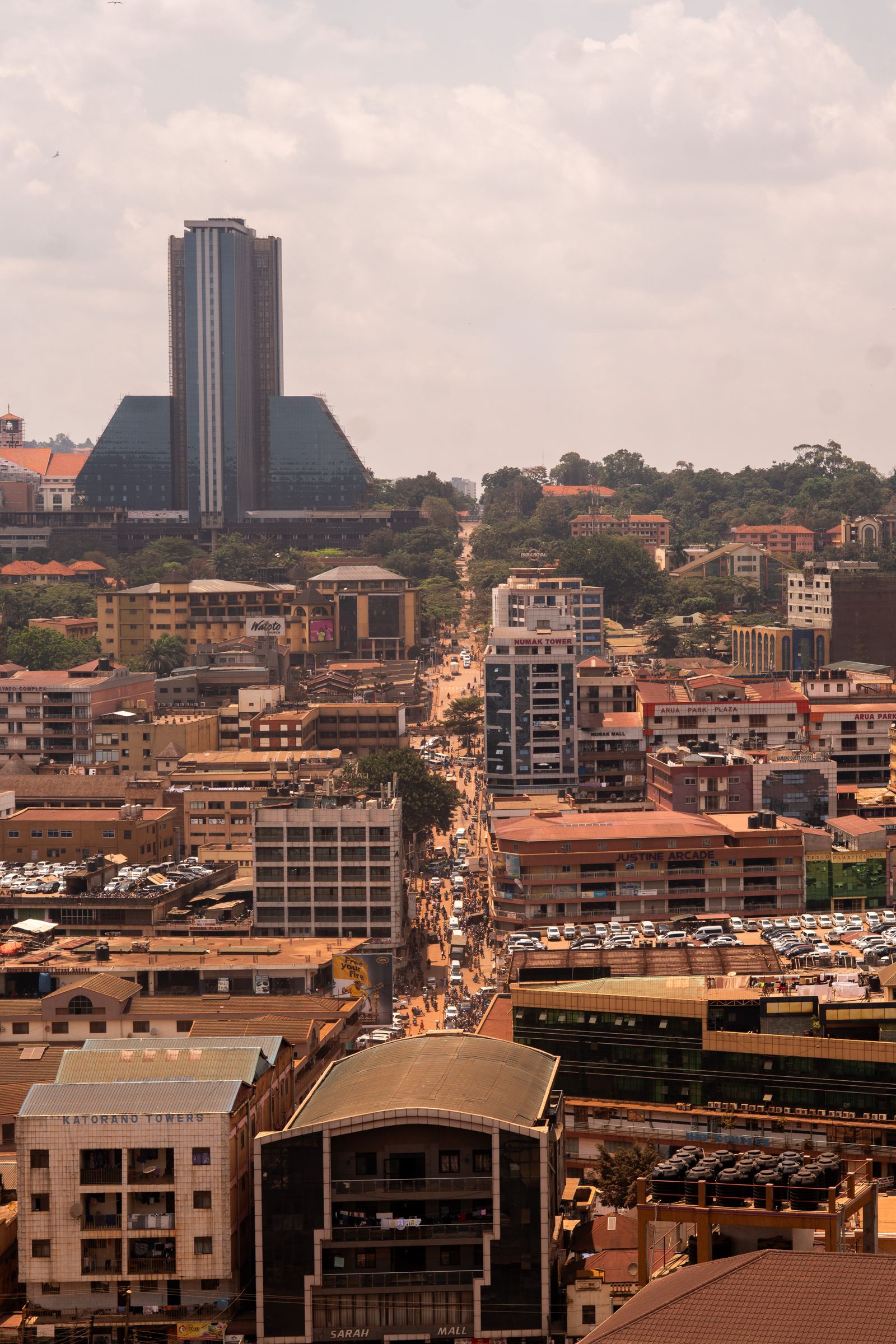
Stay in a part of the city that suits your arrival and planned visits, then compare each property’s exact address and pickup arrangements. The published national park guides cover separate regions and work as onward planning, not nearby city excursions.

Consult your own government’s current Uganda advice. As checked 30 October 2026, the UK Foreign, Commonwealth & Development Office advises visitors to Kampala to remain alert, avoid demonstrations and take care with valuables and transport. It notes crime risks after dark and advises against matatus and boda-bodas on safety grounds. Ask your accommodation about local conditions and use transport you have assessed as suitable.

Pack light rain protection, comfortable shoes with grip, sun protection and a modest layer for religious sites. Carry only what you need for the day, keep valuables out of sight and confirm photography rules and access directly with each host. Before departure, reconfirm the airport pickup, toll arrangements, site opening and any onward park transfer.

Where to stay

More destinations in Uganda