
Research checked 8 November 2026. Serial arrangements — train service on the day, monument opening hours, hotel procedures — should be re-confirmed shortly before travel; the sources below state what was current at check.
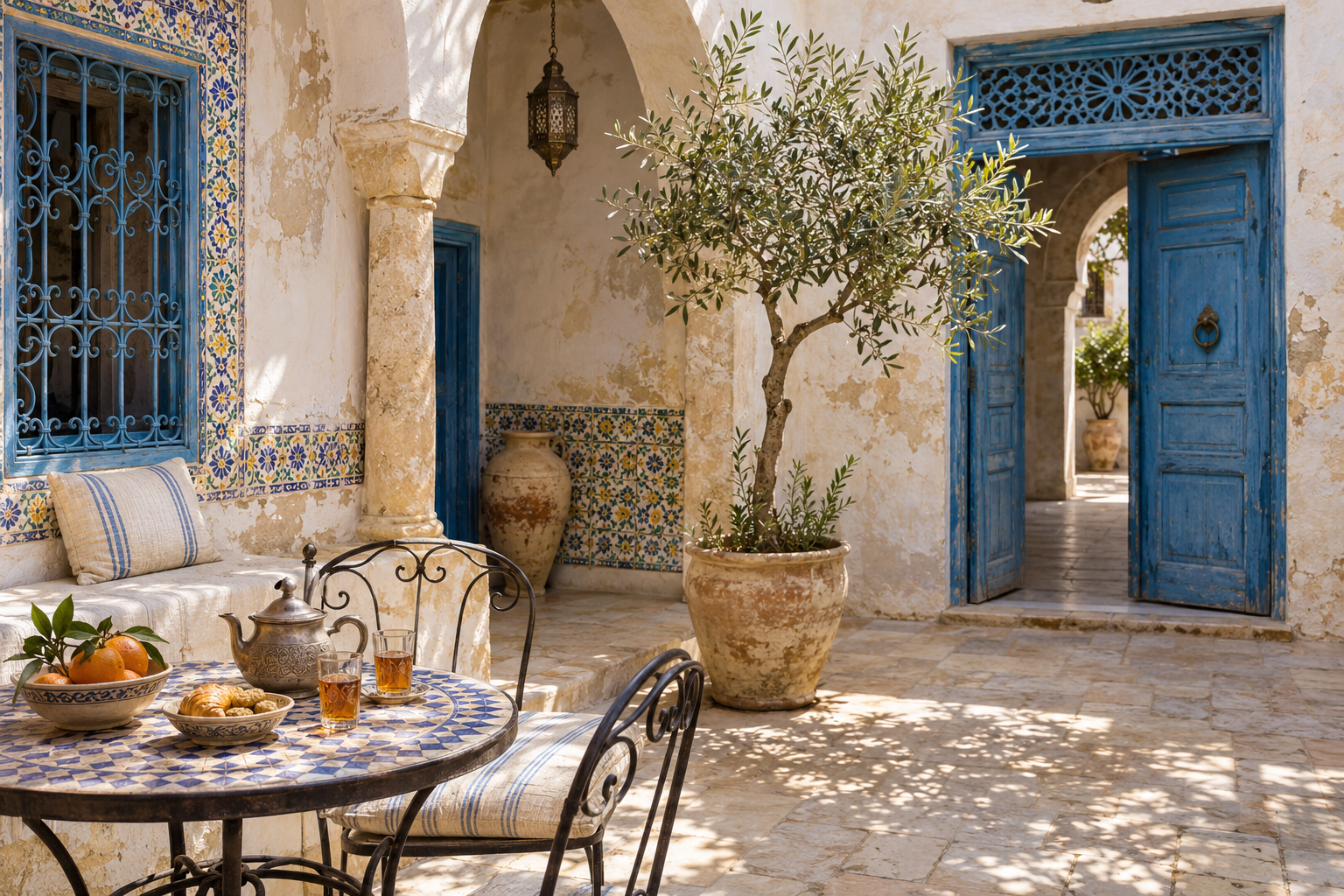
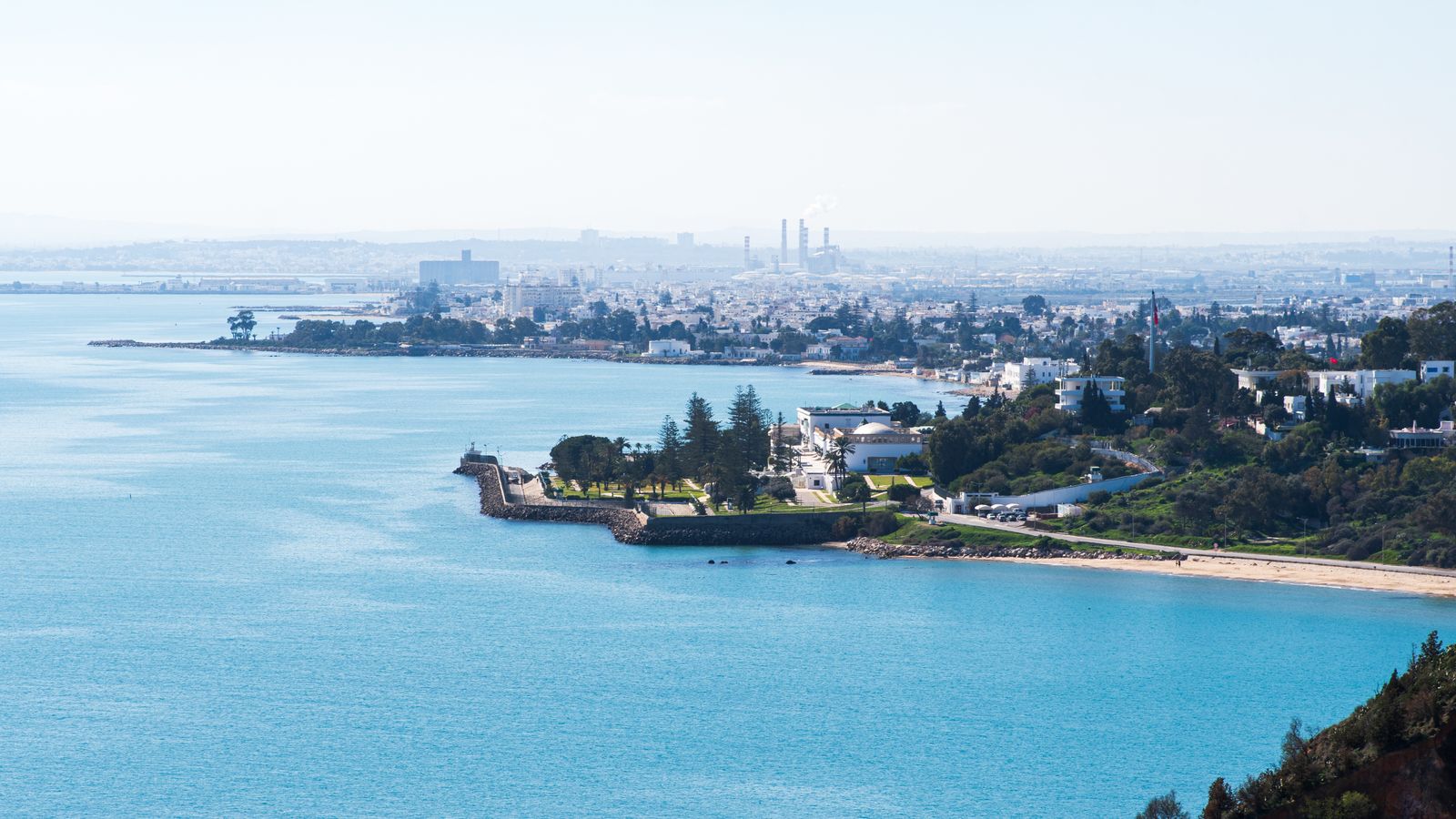
Tunis, Carthage and Sidi Bou Saïd reward a first-night decision more than most short-break capitals, because the two realistic bases ask for different mornings. Sleeping in the medina quarter of the capital puts the historic city on your doorstep and leaves the coast as a planned excursion; sleeping in Sidi Bou Saïd reverses the balance and turns arrival day into the scenic one. Neither is wrong — but the choice shapes which of the three places gets your rested energy, and it changes what you must lock down before you land.
What each base does to your first day
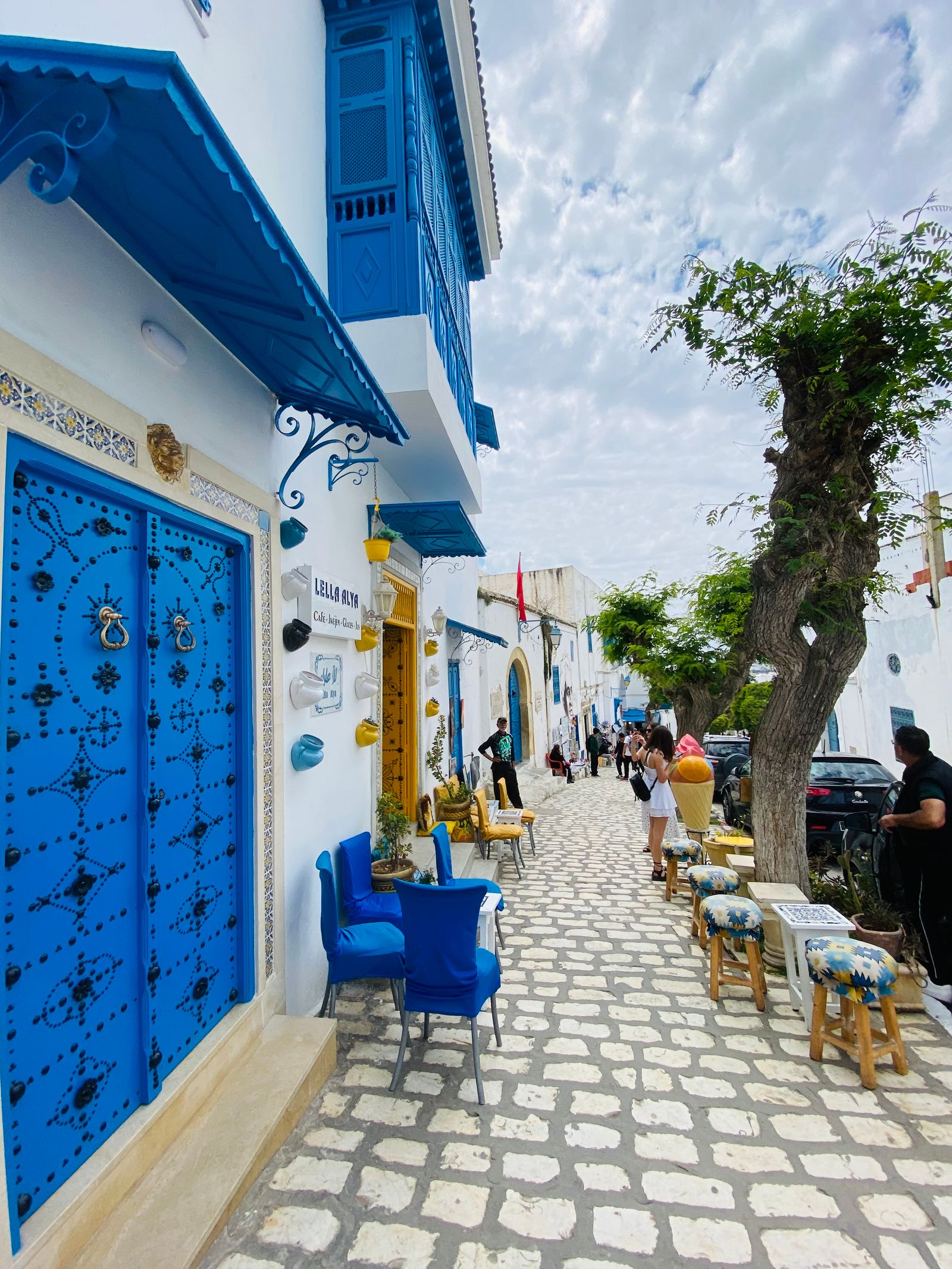
A medina night starts the trip inside a dense, walled historic core: guesthouse courtyards rather than arterial roads, a city day that begins when you step outside, and a straightforward short ride from Tunis-Carthage airport. The distance you cover on arrival evening is measured in minutes, not hours. A coast night in Sidi Bou Saïd trades immediacy for setting — the village sits high above the bay, its lanes take real time to walk, and the drive in from the airport is a city crossing rather than a few streets. Our Dar Saïd guide documents what that arrival can involve in practice: a meeting point agreed with reception, unavoidable stairs in a historic house, and luggage help that must be requested rather than assumed.
Both bases can book directly: for the coastal village, our Dar Saïd guide covers the courtyard hotel and its booking options; on the city side, Dar El Médina is a 4-star residence in the medina with a restaurant, bookable as an exact property listing. Compare on the stay’s access rather than the label: stairs, gradients, breakfast arrangements and exactly where a vehicle can drop you.
How the choice changes the Carthage day
From the coast, Carthage comes to you: the suburban TGM railway runs along the same coastal corridor, and Tunisia’s transport operator TRANSTU names Tunis Marine and La Marsa as the line’s principal stations, with a daily ticket product and a published winter timetable — but verify the stops being served on your day before building the outing around them. From a medina base, the coast day begins with the ride to Tunis Marine and the boarding step, then follows the same corridor. Either way, the shape our attraction guide suggests holds: choose the site you most want to see before deciding where to get off, note that Antonine Baths and the Magon Quarter are separate entrances, and agree what a taxi pickup would cost before you need one.
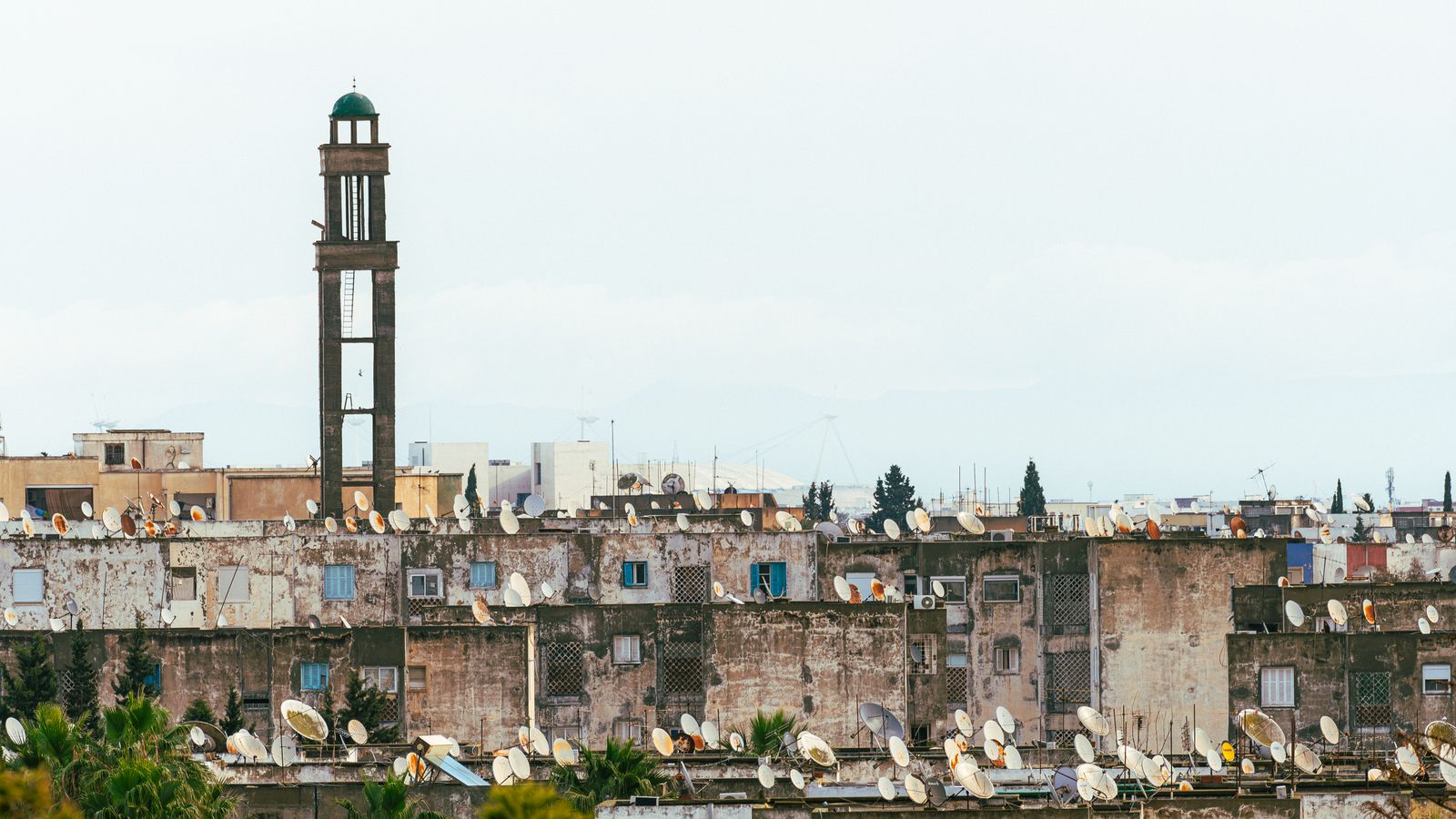
Time it through the cooler part of the day. The heritage agency’s current listings put the Antonine Baths at 08:30–17:00 in winter, 08:00–18:00 in summer and 08:00–17:00 during Ramadan, on a grouped ticket — its check-date price card listed 12 dinars for non-residents — with the first ticket office the authority on what your ticket covers that day. The Magon Quarter, entered through a narrow corridor of streets a short vehicle hop away, keeps a wholly different register: Punic domestic archaeology, houses reconstructed from second-century foundations. Pairing the two, then continuing up to Sidi Bou Saïd for the afternoon light, is a full day — readers running it from a medina base should treat the return ride as a scheduled item, not an impulse.
Which decision suits which visit
Choose the medina when the historic city itself is one of your priorities, arrival is late-day, or your stay is short enough that walking the old town in the cool hours matters. Choose the coast when the postcard village is the trip’s emotional centre, you will arrive rested enough for a winding arrival, or you plan Carthage as a relaxed morning walk from the village side. A split stay — one night each — also works, but only after you accept two sets of arrival logistics and one more repack.
Confirm before you settle in
- Exactly where your vehicle can meet you at the chosen base, and whether luggage assistance exists — the historic-house details above apply to many medina and village properties, so ask rather than assume.
- Whether breakfast is inside your rate, and how restaurant or hammam reservations work where they apply.
- Current cancellation terms on the exact property page before you pay.
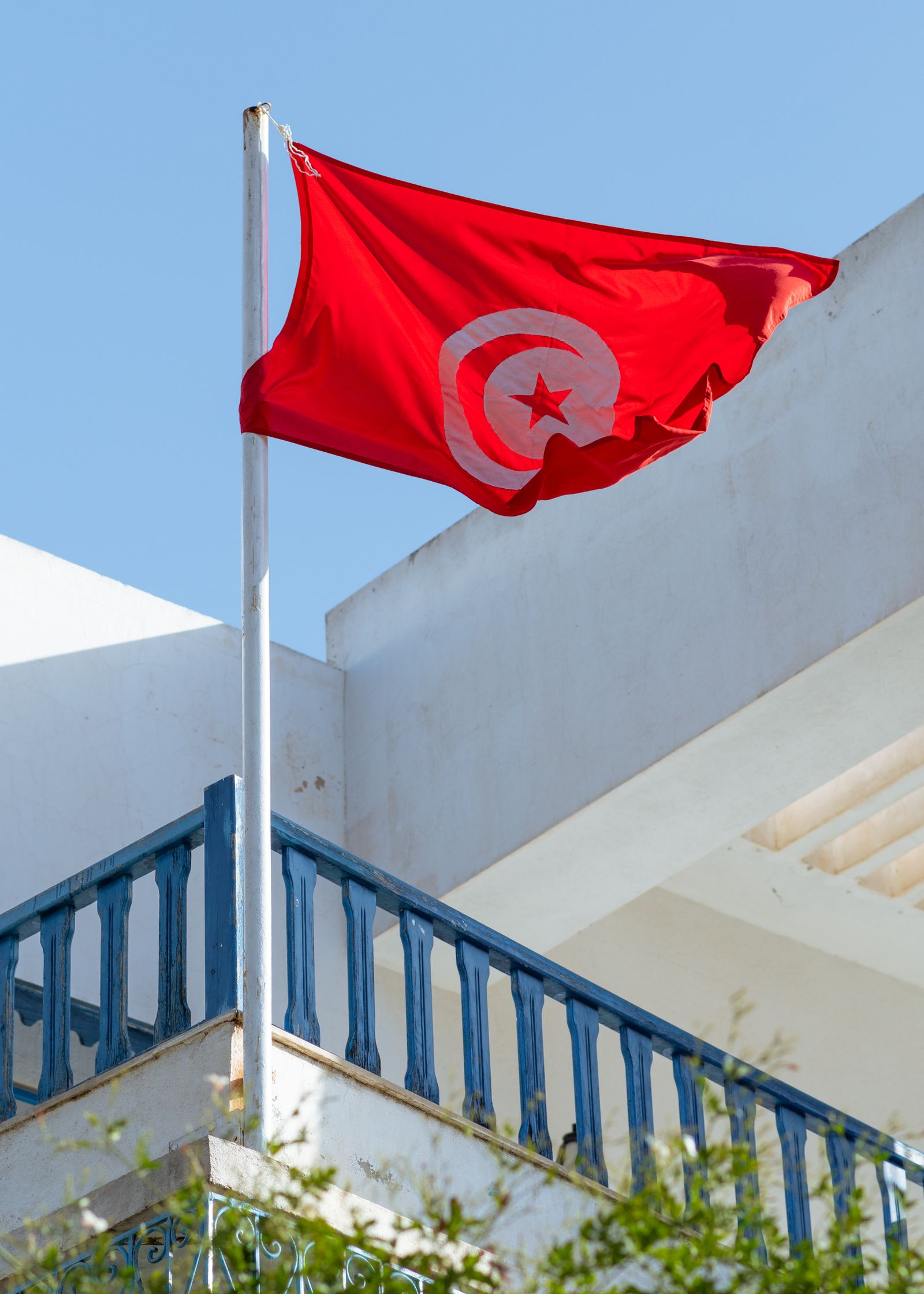
- Entry rules for your own passport: the UK Foreign Office states for British-citizen passports that the document should be valid for the duration of the stay, and directs questions to the Tunisian embassy — its Tunisia page also carries a regional advisory warning, so read the current requirements rather than borrowing a rule wholesale. Passport-check date: 8 November 2026.
What to pack

- Solid, comfortable shoes — medina paving, staircases and hillside lanes reward grip and ankle support over smooth soles.
- A light layer for the bay breeze and for museum interiors; sun protection for exposed archaeological terraces.
- Water for the Carthage stretch, and a daypack that leaves hands free on village stairs.
- Small notes for porters or drivers, and a folded bag for anything bought in the medina.
Three questions travelers actually ask
Can I do Tunis, Carthage and Sidi Bou Saïd in one day? You can pass through all three, and many visitors do; what a single day does poorly is give each place its own attention. If one day must carry all three, ours treats the archaeological site as the morning anchor and the village as the afternoon close, accepting that the medina belongs to a different day.
Do I need a rental car? No car is needed for the coast day: the corridor is served by the suburban railway with taxis as the flexible fallback. A rented car mainly helps routes beyond this capital region, and city parking is not its strength — weigh it against what you plan outside Tunis.
Which check-in do I confirm first? The arrival side of whichever base you chose: the meeting point, the stair situation and the assistance available are the dealings that most often go sideways — far more than the sightseeing logistics, which you can reconfirm the night before.
Continue planning
Our Tunisia country guide carries the capital-region transport overview, and the Tunis, Carthage and Sidi Bou Saïd guide holds the two-stop route detail. For the village-side stay, see the Dar Saïd guide.