Research checked 9 November 2026. This is an editorial planning story, not a booking channel: fees, windows and schedules move, so confirm every number with your operator and the reserve sources before you pay.
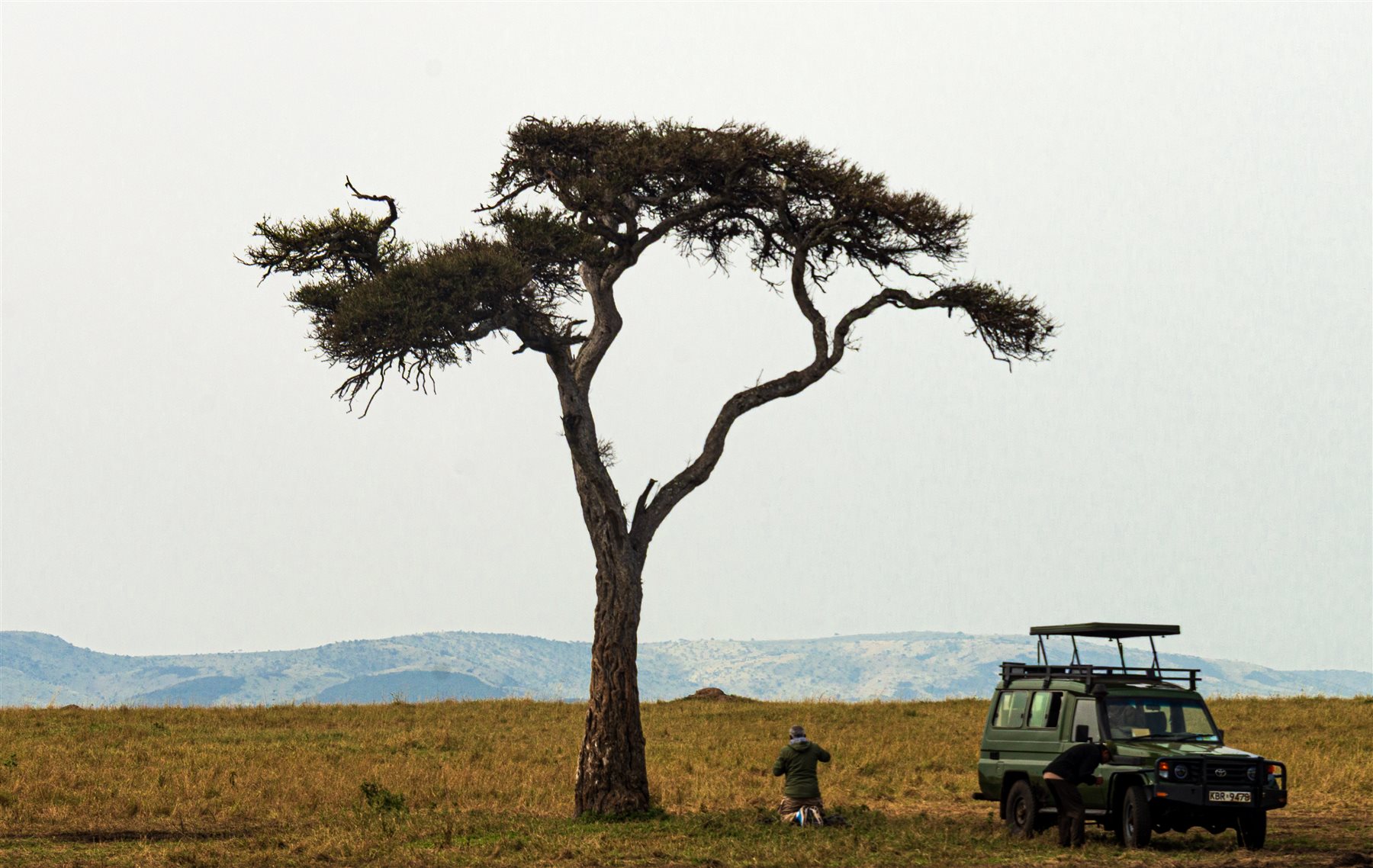
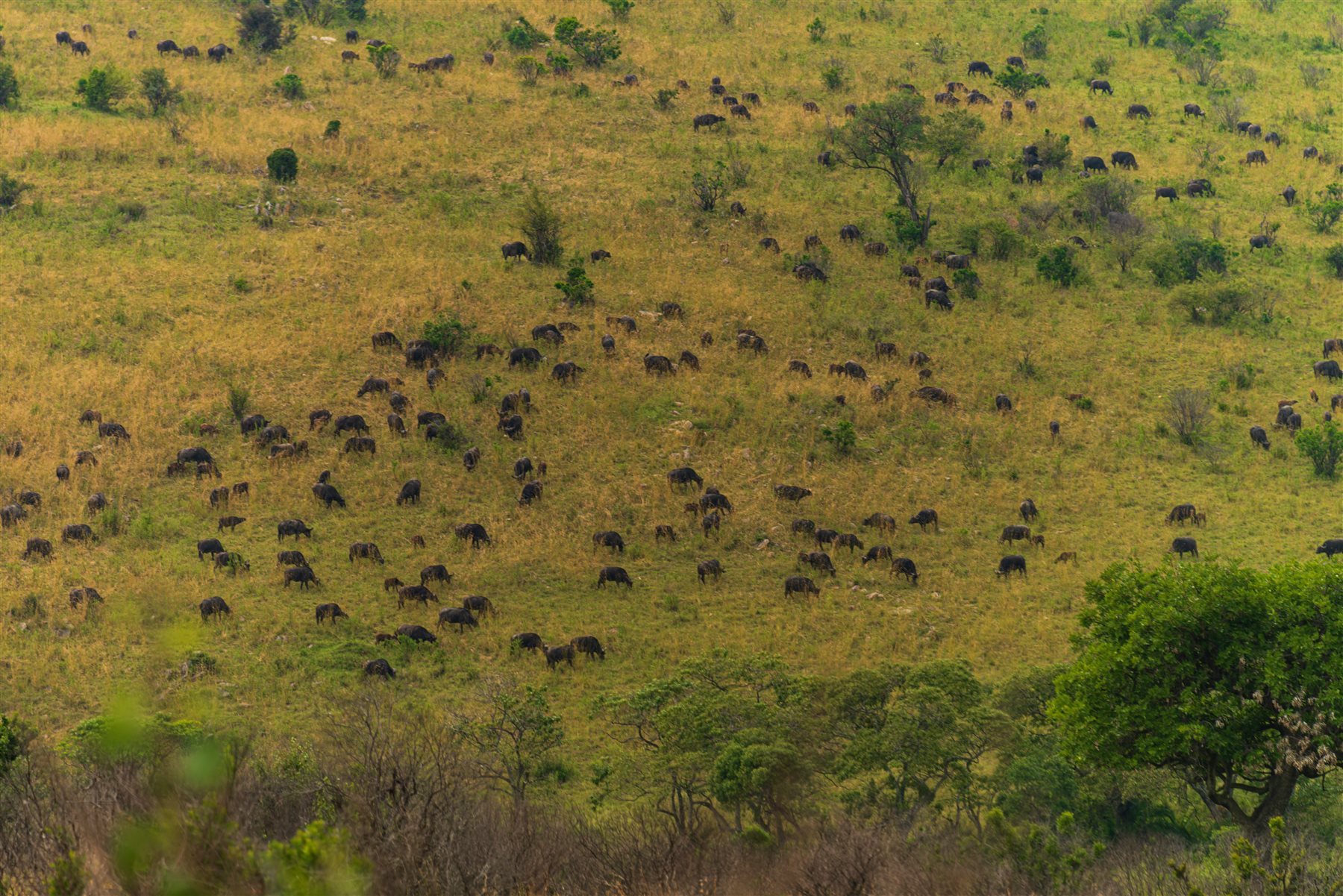
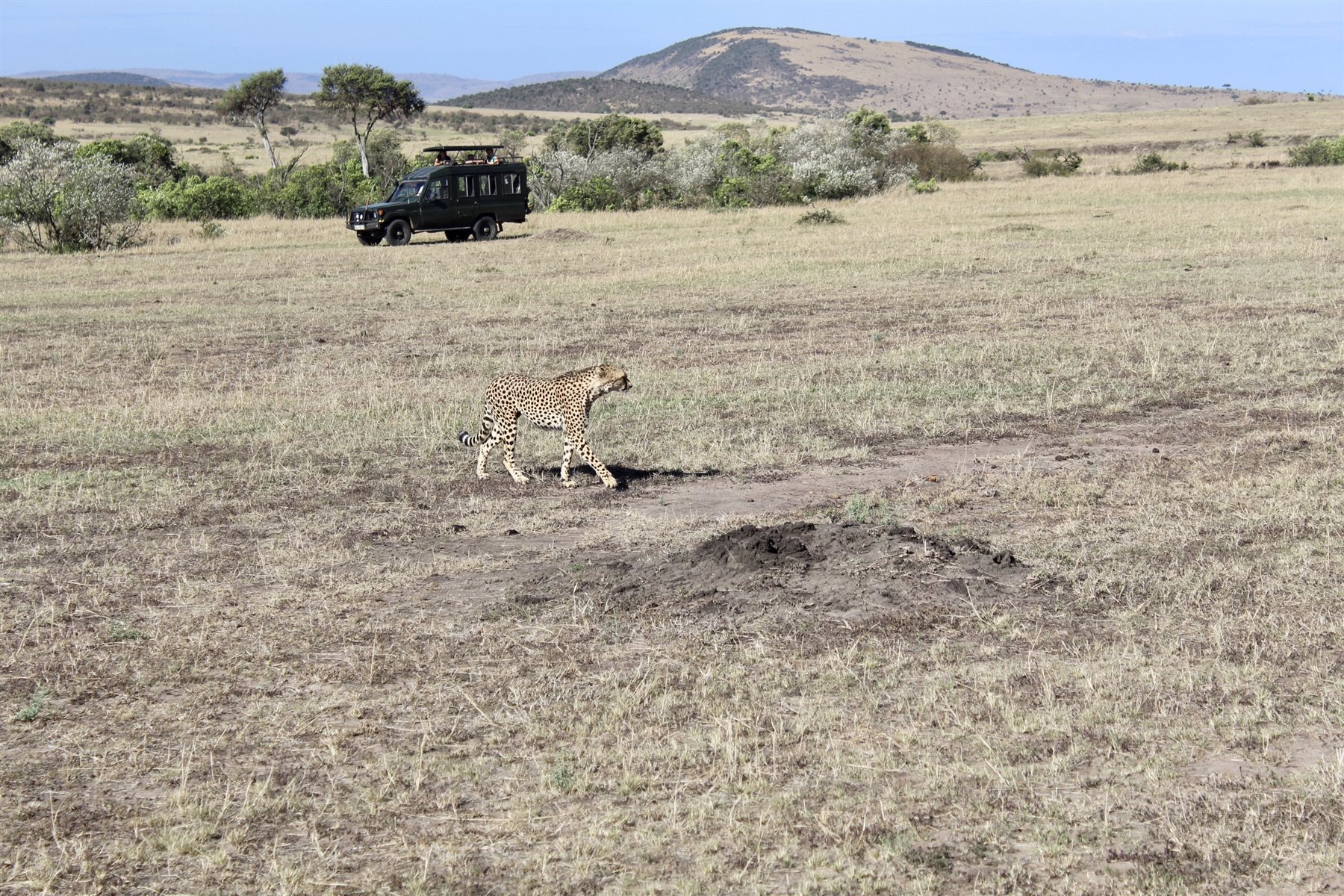
Kenya is the country this guide keeps returning to as the clearest first-time safari gateway — its country page leans on strong guide networks, the Maasai Mara, private conservancies and smooth access from Nairobi. But the same pages quietly hand over two decisions before any camp name gets chosen: where your wildlife access is secured (reserve or conservancy) and how you arrive (road or fly-in). Hold those two decisions first and the whole trip gets easier to price, route and adapt when conditions change. Our Kenya destination guide and Maasai Mara attraction guide carry the field context; this story is the decision order behind them.
Start from the gateway decision
Use Nairobi as the planning gateway, as our Nairobi city guide explains, then choose road or air connections on the reality of your camp, not on a slogan. Road safaris commonly approach the reserve through the Narok area; the Kenya Airports Authority describes Wilson Airport, 5 km on Langata Road, as the domestic hub for safari routes into the Mara and Amboseli. A fly-in itinerary is decided by airstrip-to-camp transfer time, not by which airstrip names best: confirm the exact airstrip your camp guides will meet, and keep the final transfer inside the day's plan rather than counting it as a bonus game drive.
Also budget the arrival day honestly. Whichever mode you choose, the first afternoon is travel, not viewing — a useful first itinerary is arrival, at least two full safari days and a departure morning, with the international side of Nairobi KIA-width checked against your booking buffer.
Reserve or conservancy: what the two models trade
The reserve and the neighboring conservancies are different management areas with different access arrangements — that single line in our Mara guide carries more trip-shaping weight than any camp style. Reserve access means broader inventory and the famous crossings geography; conservancies limit vehicle density and often allow off-track driving, night drives and walking with your operator's own rules. maasaimara.com, the reserve-ecosystem guide we use as an independent reference, separates reserve park fees from conservancy fees and states plainly that park fees are not included in the accommodation rates listed on its site. Ask every camp for the full daily math: night-game-drive costs, community or conservancy charges and reserve day-visit fees when a conservancy stay adds a reserve day.
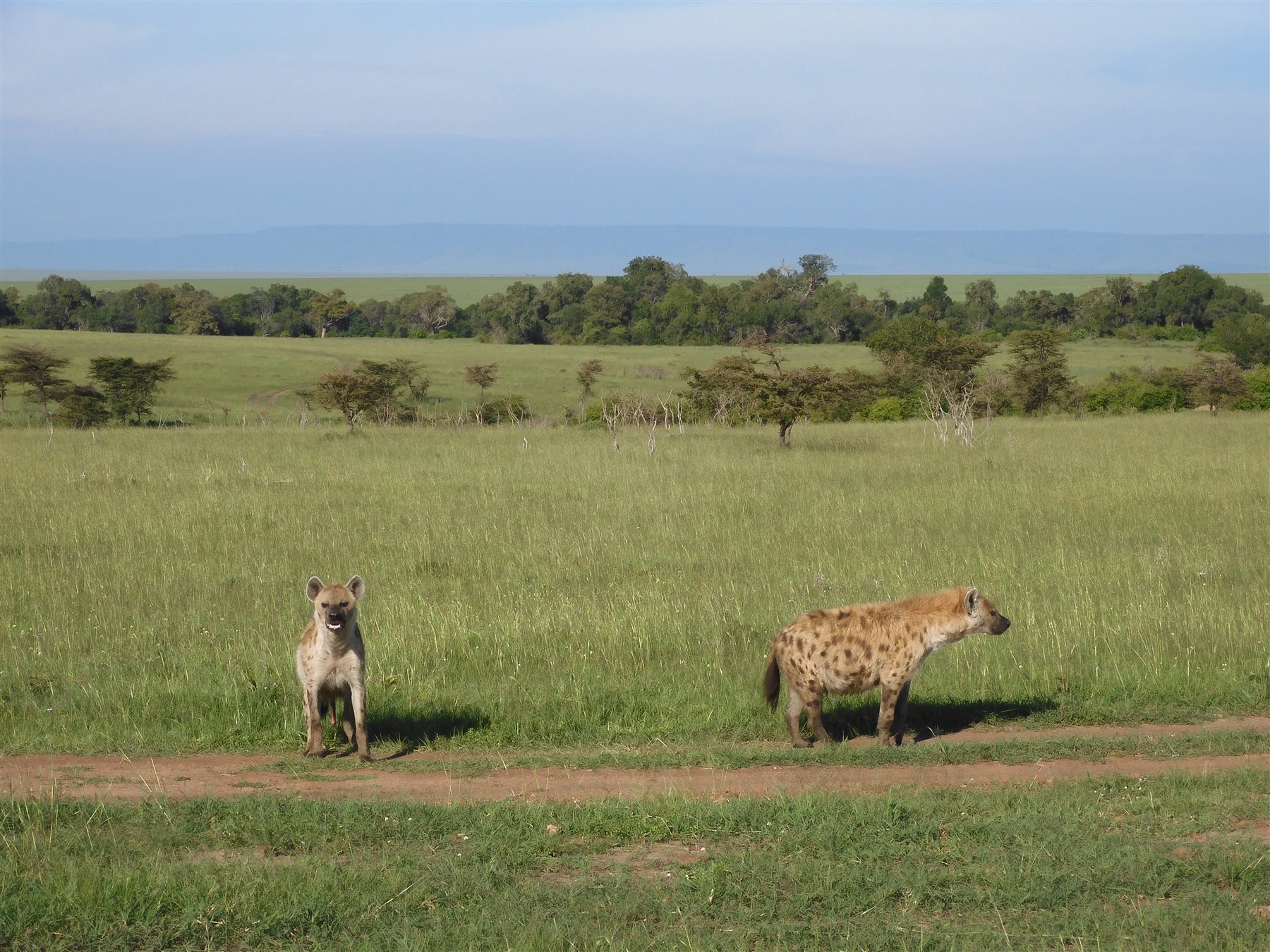
Choose the base you actually travel from: our recommendation in both the Mara and country guides is one well-positioned base for several nights instead of transferring between similarly placed camps. The Mara holds top predators year-round — magicalkenya.com's reserve page keeps the Big Five Presence and maasaimara.com counts 450-plus bird species and a 1,510 km² protected area — so a resident-wildlife stay is not a consolation prize for missing a migration window; it is its own plan.
Timing: a pattern, not an appointment
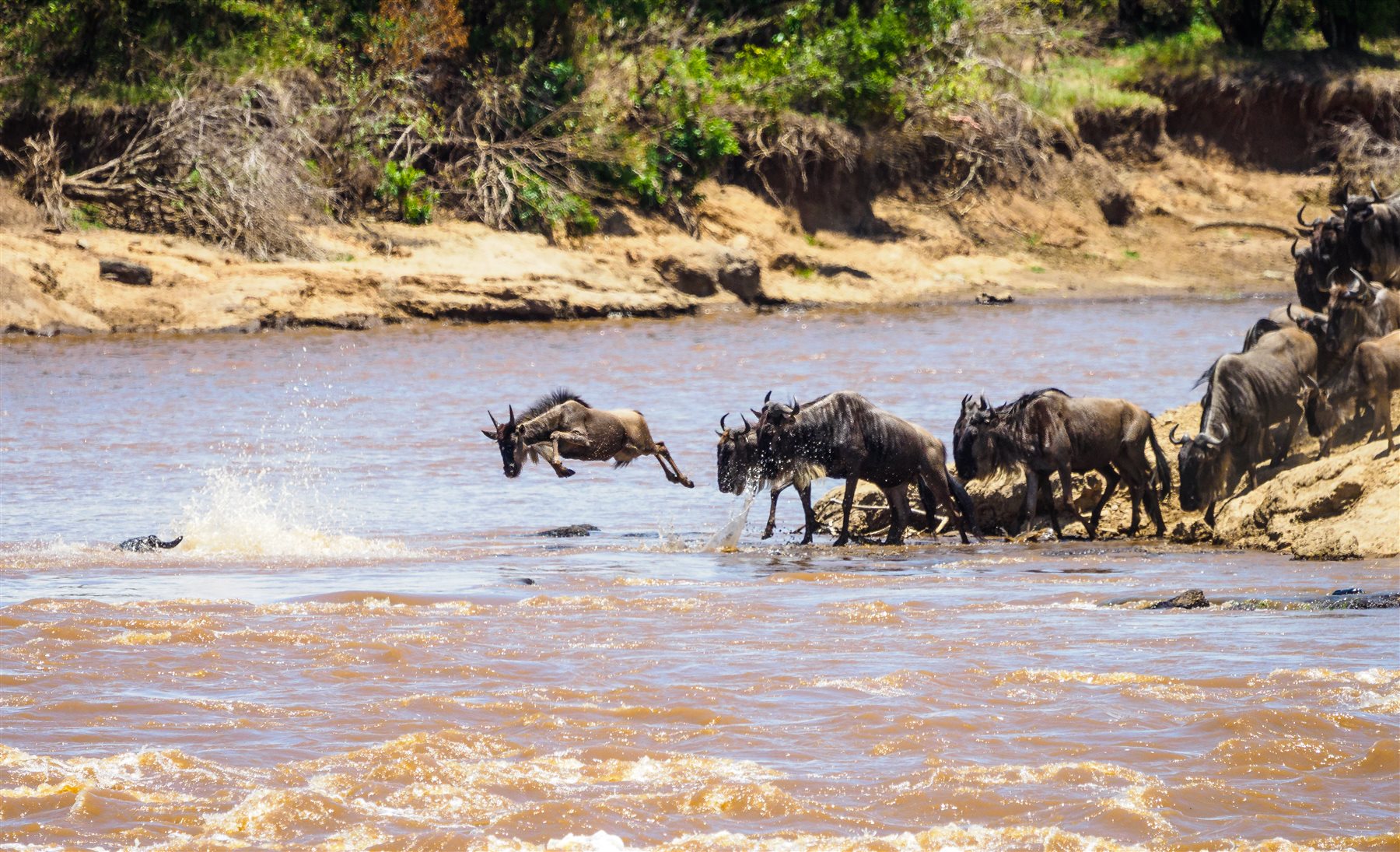
maasaimara.com frames the classic visit window as July to October — dry weather, strong game viewing, and the months its own month-by-month chart marks as the best stretch (June through September) — with the long rains of March to May the low season. The Great Migration is the front-page reason, but the same site's live migration update of 15 October 2026 shows the complications plainly: large herds reported toward the western escarpment side while the reserve herds were scarce, with movements both north and south. Herd positions move week by week; no responsible itinerary should promise a river crossing on a fixed day, and you should treat "migration season" as a pattern to plan inside rather than a spectacle you book.
Practical timing notes: photograph the landscape twice — once in the dry-season light you will likely travel in, and again in whatever green season you actually visit; the Mara ecosystem does not look the same year-round. Check recent road conditions before a scheduled rainy-season road trip, and read arrival dates as rainfall shape, not just carnival dates.
What to ask before you pay
Compare inclusions the way both our Kenya pages ask: park or conservancy access, shared versus private game drives, meals, vehicle occupancy, balloon adds and transfers. The checklist that matters, in order:
- The exact airstrip (or Narok road route) matched to your camp, with transfer time confirmed in writing.
- Whether your rate covers conservancy charges, reserve day visits and community fees.
- Shared against private drives, and vehicle occupancy if you photograph.
- Wildlife space on game drives: our Mara guide asks guides to keep wildlife space rather than reposition for close-ups, and alerts you that crowded sightings can mean a line of vehicles.
- Migration language: ask for a camp's honest seasonal pattern in its own area, not a promised crossing date.
Build the rest of the route around it
Fewer bases with more complete days at each is this site's standing recommendation, and the Mara is the anchor that makes it easy to obey. Amboseli's elephants under Kilimanjaro trade well against the Mara's open country, and maasaimara.com itself pitches an "Elephants and Wildebeest" pairing of Amboseli National Park and the Maasai Mara as one of its sample safari ideas. Our Amboseli guide and its Nairobi-departure game-drive activity carry that second leg if you travel by road and air together with a buffer day in the capital.
Where this leaves you: sharpen the two decisions — where access gets secured (reserve or conservancy) and how you reach it (road or fly-in) — price the daily fees separately from the camp headline, hold the migration as a season rather than a scene, and book the stay that matches the airstrip you are actually landing on. Then the itinerary, whether it includes a balloon sunrise over the Mara plains (our balloon safari guide explains what that morning costs and protects) or an unhurried hillside afternoon, flexes to the year's real pattern instead of fighting it.