
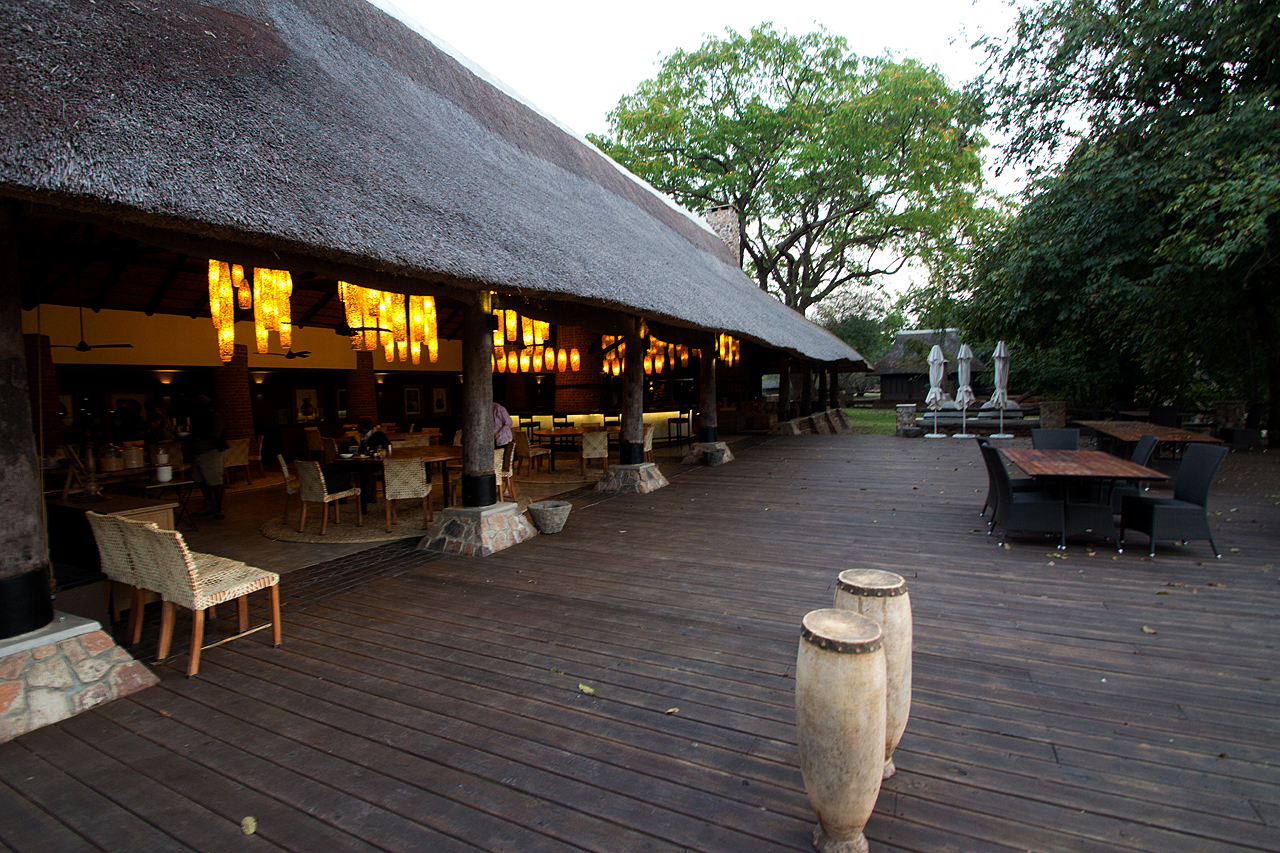
Mfuwe Lodge · South Luangwa National Park, Zambia, Zambia
Mfuwe Lodge
The Bushcamp Company's gateway lodge inside South Luangwa: eighteen thatched chalets, a spa and lagoon-side wildlife, open all year.
South Luangwa · Zambia
Walk the Luangwa bush on foot with a qualified walking guide and an armed ranger, from a few morning hours to multi-day mobile walks between remote camps. Confirm the walking model and season with the operator before booking.
South Luangwa’s reputation for walking was not invented by marketers: Zambia Tourism, the national tourism board’s visitor guide, states that the walking safari originated in South Luangwa and is still one of the finest ways to experience Africa’s pristine wilderness first-hand. Walking changes the whole texture of a safari. Without a vehicle between you and the bush, tracks, alarm calls, plants and small creatures become the subject, and big mammals are watched at respectful distances under professional supervision.
Zambia Tourism describes the options in two families. Lodge-based nature walks run a few hours at a time, typically as part of a stay that mixes morning and afternoon drives — night drives are also part of the South Luangwa routine in many camps, which is itself unusual in big-game parks. Mobile walking safaris are the deeper version: walkers move camp to camp through roadless country along the river, which the tourism authority counts among the park’s best-known formats. The two suit very different travelers. A first-timer can sample a couple of half-day walks from one base; a mobile walk is a multi-day commitment written into an itinerary, and seats are limited.
Every nature walk described by Zambia Tourism is accompanied by a qualified walking guide and an armed ranger who handle safety. That escort is the authority’s own description, and it makes an important practical point: walking in South Luangwa is never independent. Guests do not walk between camps on their own, and the expert copy of the park’s own attraction guide on this site carries the same caution — guided activity, not a licence to stroll.
The dry season runs from April, intensifies through to October — the hottest month, when game concentrates near remaining water — and the wet season from November brings lush green country, migrant birds and better birding but harder game viewing and, in some areas, failing access. Some central-area lodges stay open year-round; more remote seasonal camps follow their own opening calendars. Walking itself is usually a dry-season activity in the remote areas, and heat in the late dry months is a real consideration. Match the camp and its exact walk program to your month before booking, and confirm whether walks are shared or private.
Zambia Tourism names Mfuwe International Airport as the air hub: Proflight Zambia flies there from Lusaka year-round with frequencies increased in high season, and every lodge arranges airport transfers. The usual road approach from Chipata covers about 123 kilometres in around two hours to Mfuwe, just outside the park. The park’s published South Luangwa attraction guide covers the wider route and access picture. If you intend to walk nightly from a bushcamp deep in the park, ask the operator exactly how you arrive — road, boat or light aircraft — and what happens if rains close the route.
A walk rewards patience: you move slowly, watch behavior rather than chase sightings, and accept that leopards stay hidden — the valley is nicknamed the Valley of the Leopard for density of predators, not for a promise on foot. Fitness matters less than calm: groups move at walking pace, and children may not be permitted on all walks. Ask the operator for the minimum age, group size and whether the walk crosses hippo corridors. Wear muted, essential-only gear: solid walking shoes, long trousers, sun protection, water and a good pair of binoculars; follow the guide’s instructions absolutely, and never move or photograph in a way the ranger has not cleared.
Mfuwe Lodge, the stay guide published on this site, sits inside the park near the main Mfuwe-side access and mixes drives with walking from its own location; bushcamps deeper in the Nsefu sector and upriver specialize in full-day and overnight walking. Where a specific operator’s walk fits your dates is a booking-time confirmation, not a web-page fact.
The dry season begins in April and intensifies through to October, Zambia Tourism notes, with wildlife concentrated near remaining water in the hottest month; the wet season from November turns the valley lush and green, with better birding and harder game viewing, and access to some areas closes. Walking programs follow the camps’ opening calendars — a few central-area lodges operate year-round, remote bushcamps are seasonal. Confirm which walking model operates in your month, and treat late dry-season heat as part of the plan.
Check Zambia’s official entry guidance for your nationality, and current park entry fees with the operator at booking; entry information for the park was checked via the Zambia Tourism park guide on 9 November 2026.
Mfuwe Lodge · South Luangwa National Park, Zambia, Zambia
The Bushcamp Company's gateway lodge inside South Luangwa: eighteen thatched chalets, a spa and lagoon-side wildlife, open all year.